



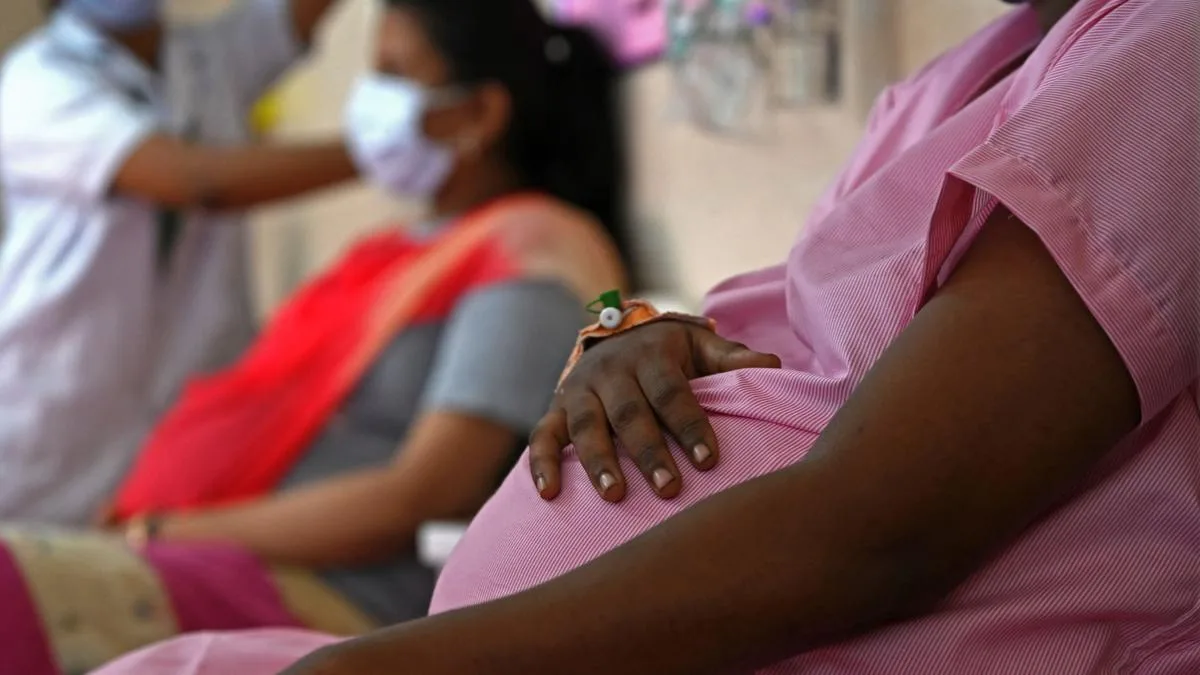
India Maternal Death Contribution Remains High Despite Progress

India Maternal Death Contribution continues to be a major global health concern, even as the country has made steady improvements over the years. A recent study highlights both progress and ongoing challenges in reducing maternal deaths.
Thank you for reading this post, don't forget to subscribe!Global and National Burden
India Maternal Death Contribution is significant when compared to global figures. In 2023, around 2.4 lakh women died worldwide due to pregnancy and childbirth-related causes. Out of these, India accounted for nearly 24,700 deaths. Countries like Nigeria, Pakistan and Ethiopia also reported high numbers. While India’s large population is a factor, it also reflects gaps in maternal healthcare.
Progress Over the Years
India has reduced maternal deaths significantly since 1990. The number dropped from about 1.19 lakh in 1990 to 36,900 in 2015, and further to 24,700 in 2023. The Maternal Mortality Ratio also improved from 508 to 116 per one lakh live births. However, most of this progress happened between 2000 and 2015, and the pace has slowed in recent years, raising concerns about future targets.
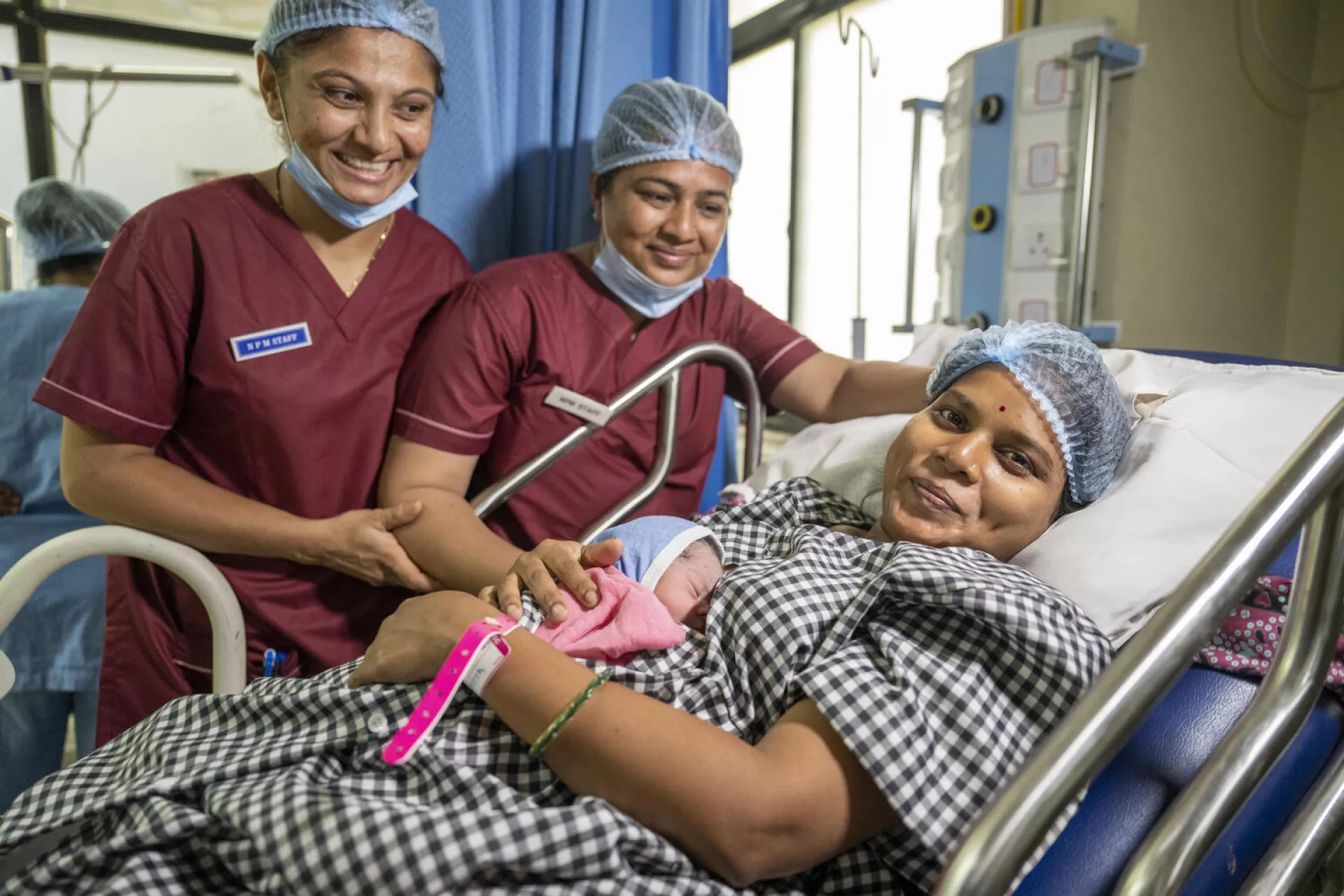
Causes and Regional Gaps
A large part of India Maternal Death Contribution comes from preventable causes. These include heavy bleeding, high blood pressure during pregnancy, infections and complications from existing health issues. There are also major regional differences. States like Kerala and Tamil Nadu have achieved better outcomes, while Uttar Pradesh, Bihar and Madhya Pradesh still face higher maternal death rates.
Key Data and Insights
Maternal Mortality Ratio (MMR) measures deaths per one lakh live births. India’s MMR has fallen from 508 in 1990 to 116 in 2023. The global target under the Sustainable Development Goals is to reduce MMR below 70. Major causes of maternal deaths remain haemorrhage, hypertension and infections, most of which are preventable with proper care.
Need for Stronger Action
To reduce India Maternal Death Contribution, experts suggest improving healthcare access, especially in rural and high-risk areas. Better hospital facilities, trained staff and timely treatment are essential. The impact of the COVID-19 pandemic also disrupted maternal services, slowing progress. Strong policy focus and investment in public health systems will be key to achieving future targets.