




Photosynthesis in Mouse Eye Cells: A New Medical Breakthrough

Photosynthesis in Mouse Eye Cells has become one of the most exciting scientific developments of 2026. Researchers have successfully demonstrated photosynthesis-like activity inside mouse eye cells using plant-derived structures and a specially designed nano-system called LEAF. This breakthrough could open new possibilities for treating eye diseases and improving cell health through light-powered biological processes.
The research was published in the scientific journal Cell in May 2026. Scientists used components taken from plants and introduced them into mammalian eye cells. When exposed to normal light, these cells were able to produce important energy-related molecules that are usually generated through photosynthesis in plants.

What Is LEAF?
LEAF stands for Light-driven Engineered Artificial Thylakoid Factory. It is a tiny plant-inspired nano-system created to work inside animal cells.
The technology uses materials derived from spinach and other plant sources. Scientists designed LEAF to act like a temporary organelle, helping cells use light energy in a controlled way.
When light reaches the LEAF system, it produces two important molecules:
- ATP (Adenosine Triphosphate)
- NADPH (Nicotinamide Adenine Dinucleotide Phosphate)
These molecules play a major role in providing energy and supporting important cellular functions.
How Photosynthesis Was Achieved in Eye Cells
Photosynthesis is normally found in plants, algae, and certain bacteria. It allows these organisms to convert sunlight into chemical energy.
In this new experiment, researchers introduced chloroplast-derived structures into mouse corneal cells. Chloroplasts are the parts of plant cells responsible for photosynthesis.
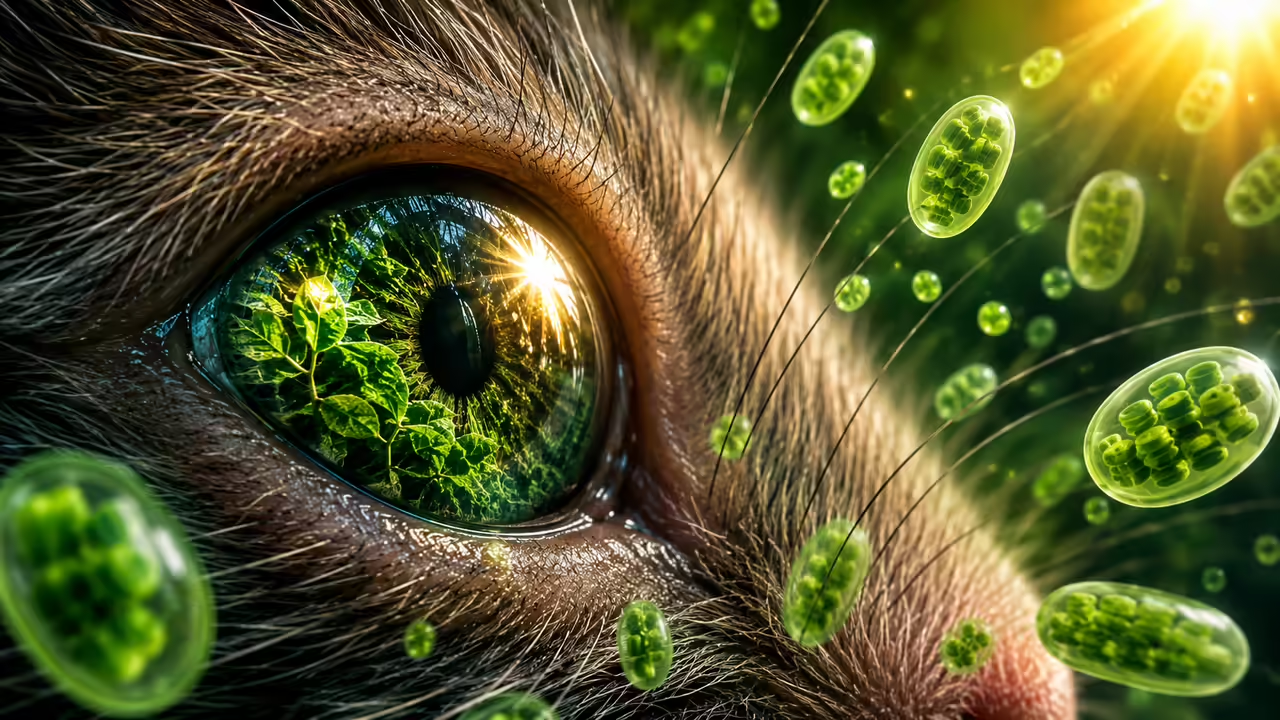
After exposure to ordinary light, the modified eye cells began producing useful biological molecules. This demonstrated that plant-based photosynthetic machinery could temporarily function inside mammalian tissue.
Scientists believe this is a major step toward creating light-powered therapies for medical use.
Why Scientists Chose the Eye
The eye is naturally exposed to light every day, making it an ideal location for testing light-driven technologies.
The cornea, the transparent front part of the eye, receives direct exposure to ambient light. Because of this, researchers believed it could benefit from a system that uses light as an energy source.
The successful results suggest that future treatments may use sunlight or indoor lighting to support healing and tissue repair without requiring complex external devices.
Potential Treatment for Dry Eye Disease
One of the most important parts of the study focused on dry eye disease, also known as keratoconjunctivitis sicca.
Dry eye is a common condition that affects millions of people worldwide. It occurs when the eyes do not produce enough tears or when tears evaporate too quickly.
In preclinical studies involving mice, LEAF therapy showed remarkable results:
| Improvement | Result |
|---|---|
| Corneal Damage | Reversed |
| Tear Film Stability | Nearly Doubled |
| Inflammation | Significantly Reduced |
| Performance | Better than several standard treatments |
These findings indicate that light-powered therapies could become an effective option for treating inflammatory eye disorders in the future.
Understanding ATP and NADPH
The success of LEAF depends on its ability to generate ATP and NADPH.
ATP
ATP is often called the energy currency of cells. Every living cell uses ATP to perform essential functions such as:
- Cell growth
- Tissue repair
- Protein production
- Energy transfer
NADPH
NADPH helps cells build important molecules and protect themselves from damage caused by oxidative stress.
It also supports antioxidant systems that keep cells healthy.
By generating both ATP and NADPH, LEAF provides cells with tools needed for survival and recovery.
Protection Against Cellular Damage
Scientists also observed benefits related to reactive oxygen species (ROS).
ROS are highly reactive molecules that can damage cells when present in large amounts. Excessive ROS levels are linked to inflammation, aging, and various diseases.
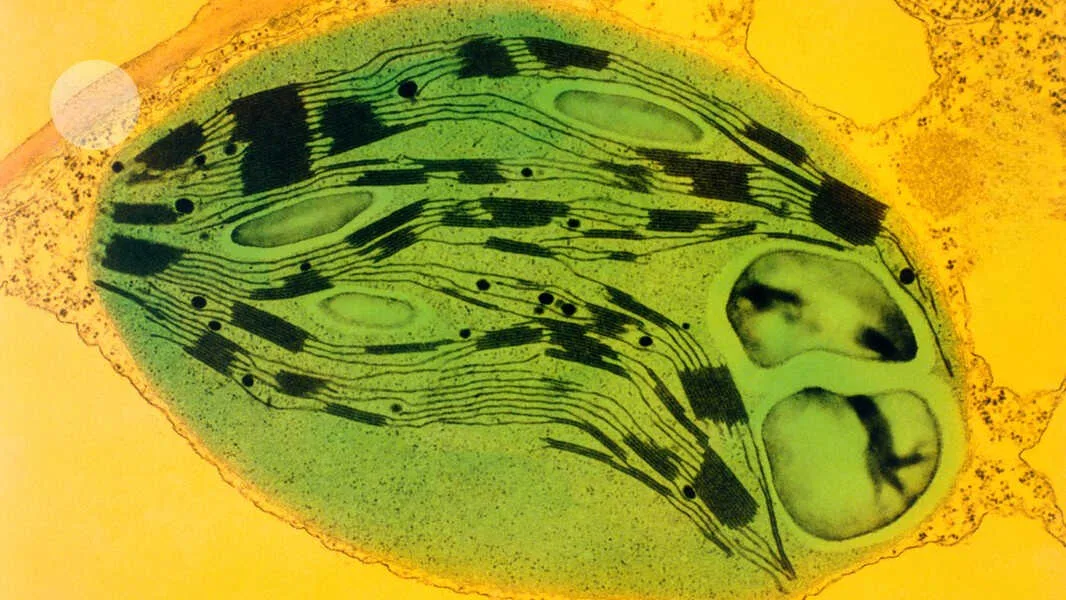
The LEAF system helped improve cellular balance and reduce harmful effects associated with oxidative stress.
This protective function may become useful not only for eye disorders but also for other medical conditions involving inflammation and tissue damage.
Building on Earlier Research
This achievement did not happen overnight. Researchers have been exploring photosynthesis in animal cells for several years.
In 2024, scientists in Japan successfully inserted chloroplasts from algae into hamster cells. Those cells maintained photosynthetic activity for around two days.
The latest 2026 study takes the concept much further by demonstrating practical biological benefits in living mammalian tissue.
According to researchers involved in the project, this is the first successful transplantation of plant photosynthetic machinery into mammalian tissue for generating useful molecules through light exposure.
What Could Happen Next?
The success of Photosynthesis in Mouse Eye Cells has generated interest across the scientific community.
Researchers are now exploring several future applications:
- Advanced eye disease treatments
- Light-powered tissue repair
- New anti-inflammatory therapies
- Improved regenerative medicine
- Innovative cellular energy systems
Although the technology is still in the research stage, experts believe it represents an important step toward combining plant biology and medical science.
As biotechnology continues to advance, scientists may discover new ways to use light as a tool for healing and improving human health.
The findings show how ideas inspired by nature can lead to innovative medical solutions. By bringing plant-powered energy production into animal cells, researchers have opened an entirely new area of scientific exploration that could shape future healthcare technologies.