

UNGA 81 Presidency Election: Bangladesh and Cyprus Compete for Key UN Post

UNGA 81 Presidency Election has become an important international development as Bangladesh and Cyprus are contesting for the presidency of the 81st session of the United Nations General Assembly (UNGA). The election is scheduled to take place on 2 June 2026 at the headquarters of the United Nations in New York.
This election has attracted global attention because the President of the United Nations General Assembly plays a significant role in guiding discussions on international peace, development, climate change, human rights, and global cooperation. The elected candidate will lead the 81st session of the General Assembly for one year.

Bangladesh and Cyprus in the Race
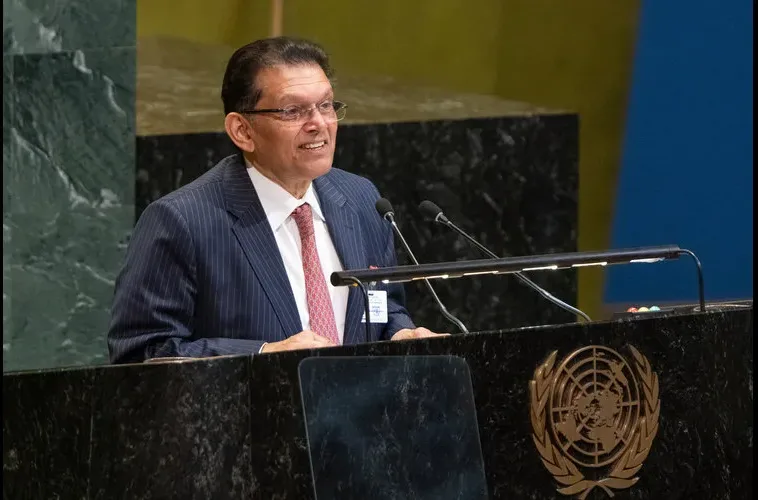
Bangladesh has nominated Khalilur Rahman for the position. He is a well-known diplomat who has worked on several international issues, including matters related to Rohingya refugees and regional security.
Cyprus has nominated Andreas Kakouris. He brings more than four decades of diplomatic experience and has represented Cyprus in several important international forums. He has also served as Ambassador to the United States and held senior positions in the foreign affairs department of Cyprus.
Both candidates have extensive diplomatic backgrounds, making the contest highly competitive.
What is the United Nations General Assembly?
The United Nations General Assembly is one of the six main organs of the United Nations. It includes all 193 member countries, giving each nation an equal vote.
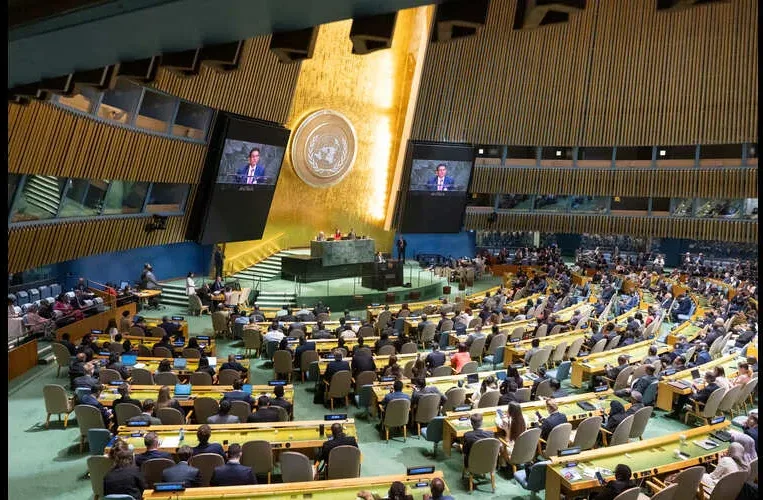
The General Assembly discusses major global issues such as:
- International peace and security
- Sustainable development
- Climate action
- Human rights
- Humanitarian assistance
- Global economic cooperation
Every year, representatives from member countries gather to discuss these issues and work toward common solutions.
Role of the UNGA President
The President of the General Assembly is responsible for managing meetings, facilitating discussions, and ensuring smooth functioning of the annual session.
Some key responsibilities include:
- Presiding over General Assembly meetings
- Coordinating debates among member states
- Promoting consensus on global issues
- Representing the General Assembly at international events
- Supporting diplomatic dialogue among nations
Although the position does not carry executive powers, it is considered one of the most respected diplomatic roles within the United Nations system.
Regional Rotation System
The presidency of the General Assembly follows a regional rotation system. The United Nations divides its member countries into five regional groups:
- African Group
- Asia-Pacific Group
- Eastern European Group
- Latin American and Caribbean Group
- Western European and Others Group
For the 81st session, the presidency is reserved for a candidate from the Asia-Pacific Group. Both Bangladesh and Cyprus are contesting under this arrangement.
This rotation system helps ensure fair representation among different regions of the world and strengthens the principle of inclusiveness within the United Nations.
Important Dates for the 81st Session
Several important events are associated with the upcoming session:
| Event | Date |
|---|---|
| Candidate Dialogues | 13 May 2026 |
| Presidential Election | 2 June 2026 |
| Opening of 81st Session | 8 September 2026 |
| General Debate Begins | 22 September 2026 |
The informal dialogues held in May allowed member states to hear directly from the candidates about their priorities and vision for the General Assembly.
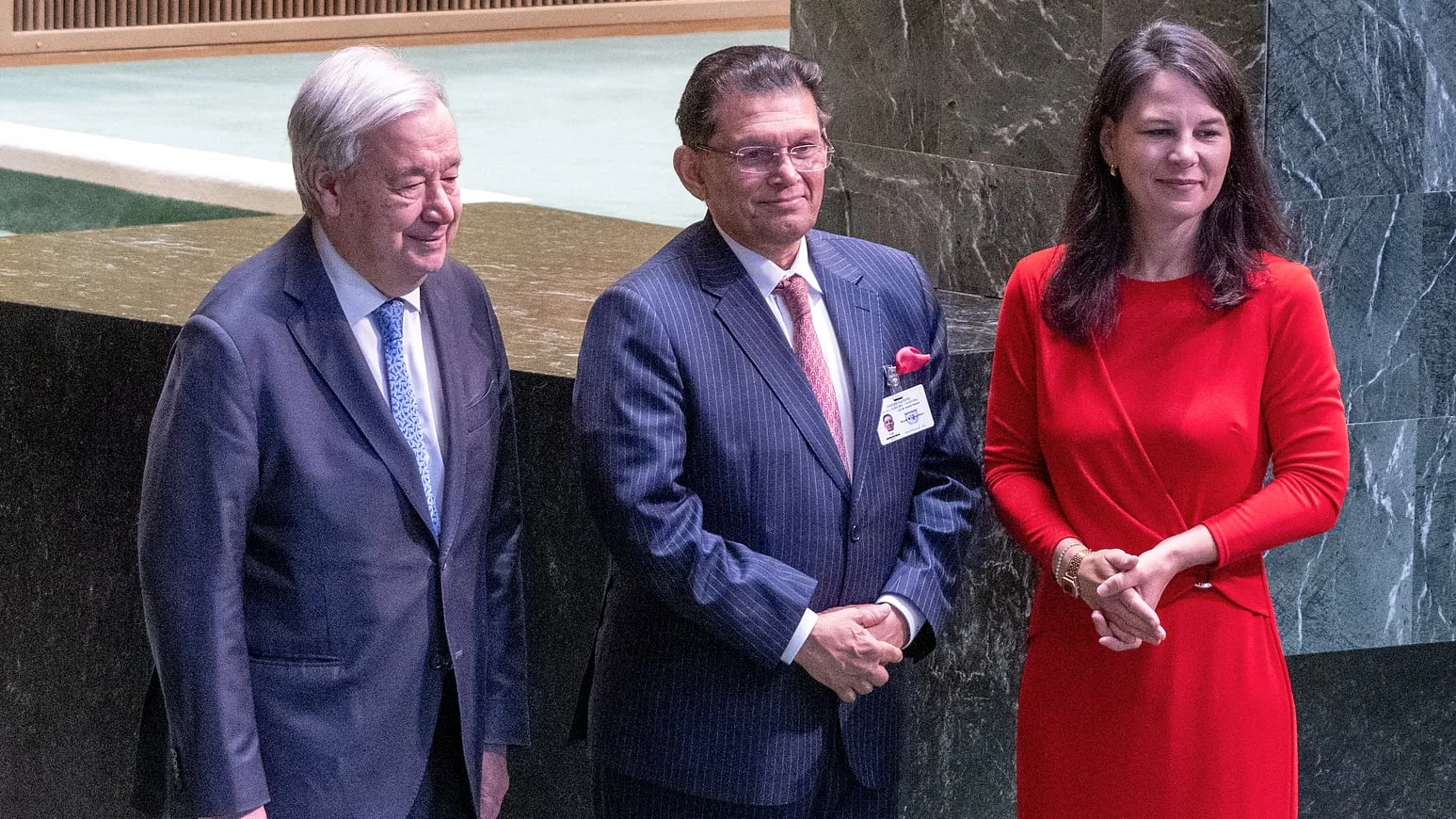
Bangladesh’s Opportunity
Bangladesh last held the presidency of the General Assembly during the 1986–87 session. If elected, it would mark a return to this important international leadership role after nearly four decades.
The country’s growing participation in peacekeeping missions, climate diplomacy, and sustainable development initiatives has strengthened its presence on the global stage. Winning the presidency would further increase its diplomatic visibility.
Cyprus Seeks Historic First
For Cyprus, this election carries special significance. The country has never previously held the presidency of the United Nations General Assembly.
A victory would represent a historic achievement for Cyprus and highlight its commitment to multilateral diplomacy and international cooperation.
Why This Election Matters in 2026
The world is currently facing several major challenges, including climate change, geopolitical tensions, humanitarian crises, food security concerns, and the need for sustainable economic growth. The leadership of the General Assembly can help shape discussions on these issues and encourage cooperation among member states.
As global institutions continue to play a vital role in addressing shared challenges, the outcome of the UNGA 81 Presidency Election will be closely watched by governments, diplomats, and international organizations worldwide.
The elected president will guide discussions during a period when international cooperation is becoming increasingly important for achieving global stability and development.