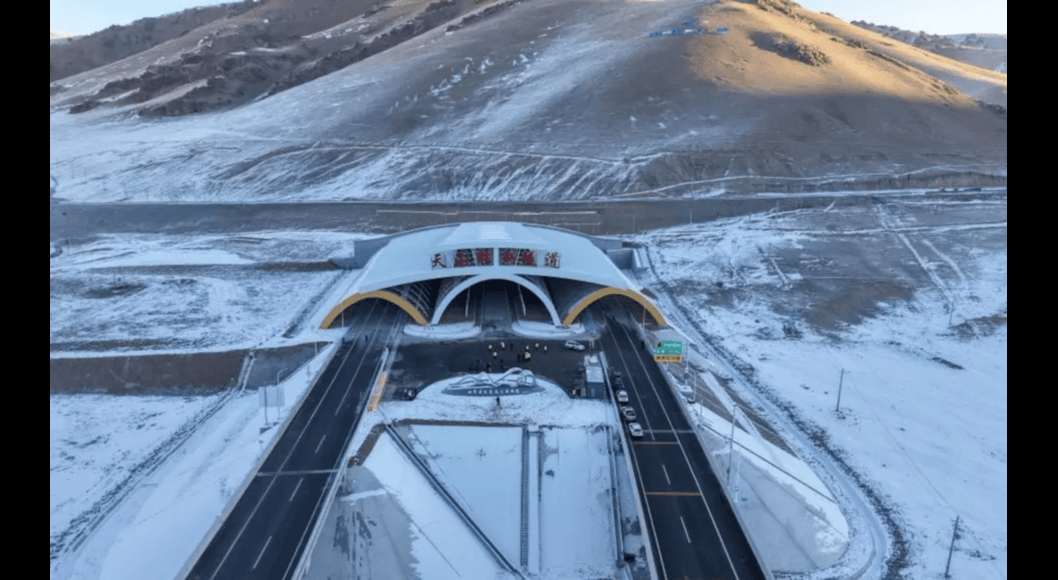
China Longest Expressway Tunnel Opens in Xinjiang

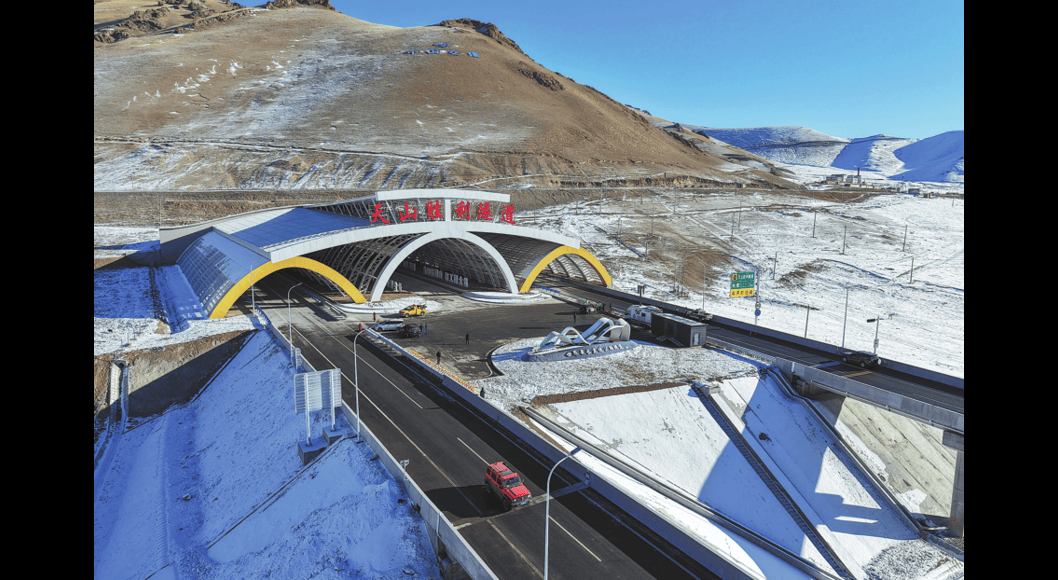
China Longest Expressway Tunnel has officially opened to traffic in the Xinjiang Uygur Autonomous Region, setting a new global benchmark in transport engineering. The newly inaugurated Tianshan Shengli Tunnel has become the longest expressway tunnel in the world, dramatically improving travel across the rugged Tianshan mountain range. The project is being seen as a major step in strengthening regional connectivity and supporting development in western China.
Thank you for reading this post, don't forget to subscribe!The opening of the tunnel is part of a broader push to modernize infrastructure in remote and geographically challenging areas. For residents and businesses in Xinjiang, the tunnel brings faster travel, safer roads and better access between the northern and southern parts of the region.
China Longest Expressway Tunnel Breaks Global Records
The Tianshan Shengli Tunnel stretches an impressive 22.13 kilometres, cutting directly through the heart of the Tianshan Mountains. Built under some of the most demanding natural conditions, the tunnel has set two global records. It is now recognized as the longest expressway tunnel in the world and also includes the deepest vertical shaft ever constructed for a highway tunnel.
According to project authorities, building the tunnel required advanced engineering techniques to deal with high altitude, extreme temperatures and complex rock formations. The success of the project highlights China’s growing expertise in large-scale infrastructure and underground construction.
China Longest Expressway Tunnel and the G0711 Expressway Network

The tunnel is a key section of the G0711 Urumqi–Yuli Expressway, a major highway corridor that also became operational alongside the tunnel. This expressway serves as an important transport link connecting different city clusters across Xinjiang.
For decades, the vast Tianshan mountain range stretching nearly 2,500 kilometres acted as a natural barrier between northern and southern Xinjiang. Harsh weather, steep terrain and narrow mountain roads made travel slow and risky. The new expressway and tunnel now offer a direct and reliable route across this difficult landscape.
China Longest Expressway Tunnel Dramatically Reduces Travel Time
One of the most noticeable benefits of the tunnel is the sharp reduction in travel time. Journeys that once took several hours along winding and dangerous mountain roads can now be completed in about 20 minutes through the tunnel.
Official reports state that travel time between Urumqi, the regional capital in northern Xinjiang, and Korla, the largest city in southern Xinjiang, has dropped from around seven hours to nearly three hours. This change improves daily travel for residents and boosts efficiency for transport and logistics services.
China Longest Expressway Tunnel Improves Safety and Reliability
Before the tunnel opened, travel across the Tianshan Mountains was often affected by landslides, snowfall and poor road conditions. These risks not only delayed journeys but also posed serious safety concerns for drivers.
The new tunnel provides a controlled and stable route that reduces exposure to harsh weather and natural hazards. This improvement is expected to lower accident rates and ensure year-round connectivity, even during winter months when mountain passes are usually difficult to cross.
China Longest Expressway Tunnel Supports Regional Growth
The expressway project, which spans 324.7 kilometres, was completed over a period of five years with an investment of about 46.7 billion yuan. Authorities expect the improved connectivity to encourage economic activity by making it easier to move goods and people across the region.
Faster transport links help local industries, agriculture and trade by reducing costs and delays. The tunnel also strengthens integration between urban centers and remote areas, giving businesses better access to markets and services.
China Longest Expressway Tunnel Reflects Broader Infrastructure Trends
The opening of the Tianshan Shengli Tunnel comes at a time when large infrastructure projects are shaping global discussions on development and connectivity. Many countries are investing in tunnels, bridges and expressways to overcome natural barriers and support long-term growth.
China’s focus on western regions like Xinjiang shows an effort to balance development across different parts of the country. By addressing geographical challenges, such projects aim to improve living standards and support regional stability.
China Longest Expressway Tunnel and Advanced Engineering
Constructing the tunnel required innovative solutions, including advanced drilling methods, ventilation systems and safety monitoring technologies. Engineers had to manage deep excavation while ensuring structural stability and worker safety.
The tunnel’s deepest vertical shaft played a crucial role in construction and maintenance, allowing access and ventilation in the challenging mountain environment. These technical achievements underline the scale and complexity of the project.
China Longest Expressway Tunnel Enhances Daily Life and Mobility
For people living in Xinjiang, the tunnel is expected to make daily life easier by shortening travel times for work, education and healthcare. Easier access between cities also supports tourism by opening up scenic and cultural destinations that were previously difficult to reach.
The improved road network helps connect communities, reduce isolation and encourage greater interaction across the region. As traffic flows increase, the expressway is likely to become a key backbone of Xinjiang’s transport system.