
Kerala Graphene Policy: India’s First Comprehensive Framework

Kerala Graphene Policy has opened a new chapter in India’s technology journey. In February 2026, the Kerala government approved the country’s first comprehensive policy dedicated to graphene. With this step, the state aims to become a global center for research, development, and manufacturing of this advanced material. The decision reflects Kerala’s growing interest in high-technology industries and innovation-driven growth.
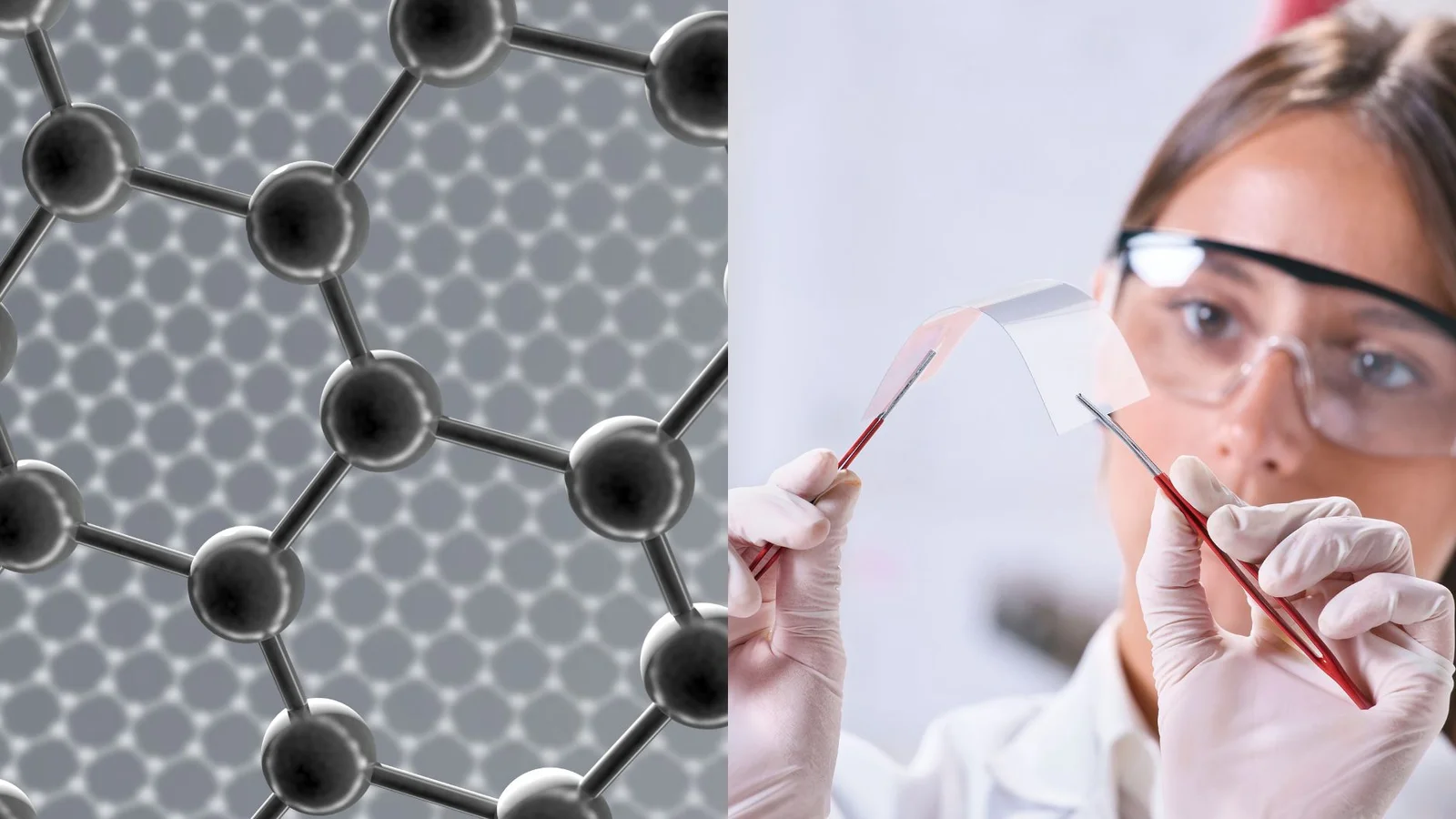
Thank you for reading this post, don't forget to subscribe!Graphene is often described as a “wonder material” because of its unique properties. It is made from a single layer of carbon atoms arranged in a hexagonal structure. Even though it is extremely thin, graphene is stronger than steel, highly flexible, and an excellent conductor of electricity and heat. These qualities make it useful in many modern industries, including electronics, energy storage, aerospace, and healthcare.
Through the Kerala Graphene Policy, the state government wants to build a strong ecosystem that connects universities, research centers, industries, and startups. The goal is not just to study graphene but to turn research into real products that can be sold in markets across the world.
Grefine Park and Industrial Development
One of the most important steps under the Kerala Graphene Policy is the approval of Grefine Park. The Union Cabinet has supported this initiative to encourage graphene-based innovation and production. Kerala plans to establish a dedicated graphene industrial park in Palakkad. This park will provide space and facilities for companies that want to manufacture graphene products or develop new technologies using the material.
In addition to the industrial park, the state will set up a Digital Innovation Centre with an investment of ₹200 crore. This centre will provide advanced laboratories, testing facilities, and technical guidance for startups and businesses. It will help researchers and entrepreneurs work together and speed up the development of new products.
To attract both Indian and international investors, the government has announced financial incentives. Manufacturing units that set up operations in government-managed parks will receive a 50 percent subsidy on lease payments. This means companies will pay only half of the normal lease cost, making it easier for them to invest and expand their operations in Kerala.
Such support is expected to create a competitive and welcoming environment for advanced material industries.
Bridging Research and Industry
A key focus of the Kerala Graphene Policy is to reduce the gap between academic research and industrial use. In many cases, scientific discoveries remain inside laboratories and do not reach the market. Kerala wants to change this pattern by creating a direct link between universities and industries.
The state plans to collaborate with leading global institutions such as the University of Oxford and the University of Manchester. The University of Manchester played a historic role in graphene research, as its scientists first isolated graphene in 2004. Since then, graphene has become one of the most researched materials in the world.
By partnering with international universities and experts, Kerala aims to strengthen its research capabilities and bring global knowledge to local institutions. This collaboration will encourage technology transfer, joint research projects, and skill development for young scientists and engineers in the state.
When universities, research centres, and industries work together, innovation becomes faster and more practical. This approach can help Kerala build a complete value chain from research to production and finally to market delivery.
Growing Importance of Graphene
Graphene is gaining attention worldwide because of its wide range of applications. In electronics, it can be used to create faster processors and flexible screens. In the energy sector, graphene-based batteries and supercapacitors can charge quickly and last longer. In healthcare, graphene is being tested for use in medical sensors and advanced diagnostic tools.
As countries invest more in electric vehicles, renewable energy, and smart technology, the demand for advanced materials is increasing. India is also focusing on strengthening its technology and manufacturing base. The Kerala Graphene Policy fits into this broader national push toward innovation and self-reliance in high-tech sectors.
By focusing on graphene, Kerala hopes to secure a strong position in the global advanced materials market.
Economic and Policy Vision
The Kerala government has presented the graphene policy as part of its long-term economic strategy. The state has already made progress in areas such as healthcare, education, and social welfare. Now, it wants to combine social development with industrial growth.
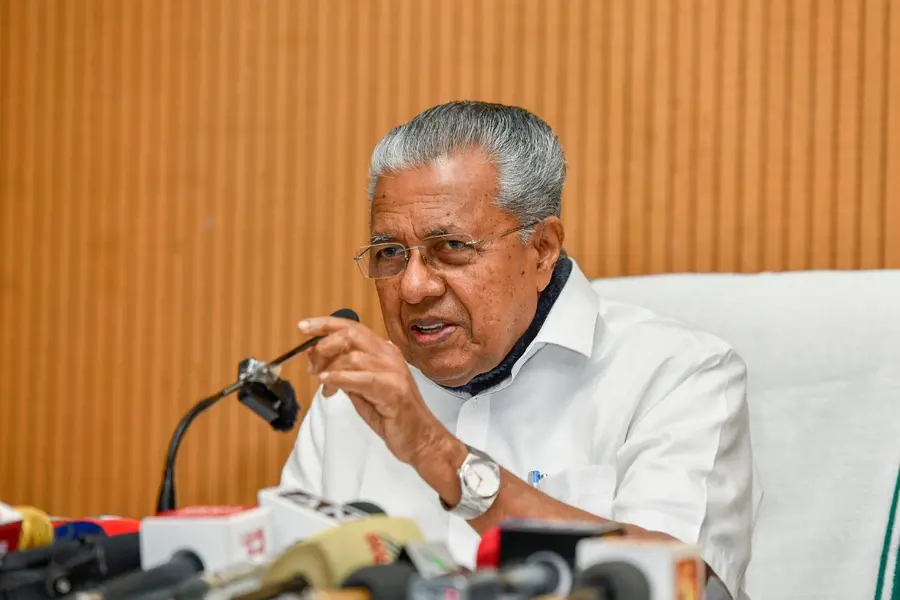
Industry Minister P Rajeev has expressed confidence that the State Budget 2026, presented by Finance Minister K N Balagopal, will support industrial expansion and innovation. The budget reportedly includes proposals that strengthen the Industries Department and promote emerging sectors like graphene.
The government believes that investing in advanced materials will generate high-skilled employment opportunities. Young engineers, researchers, and entrepreneurs can find new career paths within the state instead of moving elsewhere. This can help Kerala retain talent and build a knowledge-based economy.
Infrastructure and Future Plans
The Kerala Graphene Policy is also linked to broader infrastructure plans. The government continues to promote high-technology sectors and improve connectivity within the state. Projects like the Silver Line, also known as K-Rail, are part of the long-term vision to modernize transportation. Better connectivity can support industrial growth by improving the movement of goods and people.
By combining advanced research facilities, financial incentives, industrial parks, and infrastructure projects, Kerala aims to create a strong foundation for technology-led growth.
The Kerala Graphene Policy shows how a state can take bold steps to enter emerging industries. By focusing on research, collaboration, and manufacturing, Kerala is positioning itself as a leader in advanced materials. This move reflects a broader trend in India, where states are competing to attract high-tech industries and global investment.