Assam Matcha Tea Production Begins a New Chapter

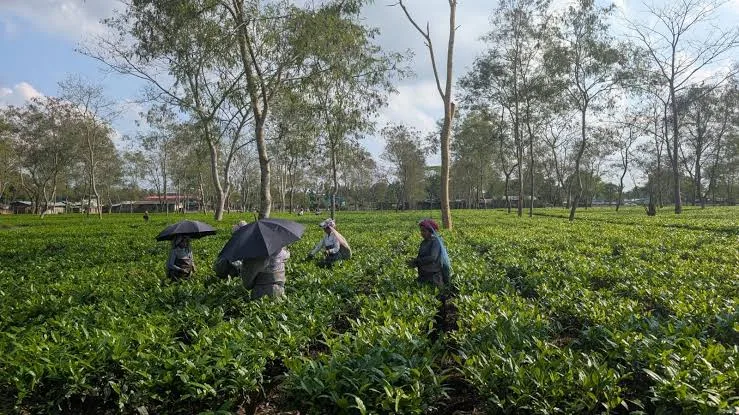
Assam Matcha Tea Production has started a fresh journey in India’s tea industry as Assam became the first state to commercially produce matcha tea in July 2026. This important step took place at the Chota Tingrai Tea Estate located in Tinsukia. The first batch of this special tea was sold through the Guwahati Tea Auction Centre, showing strong interest from the market.
Thank you for reading this post, don't forget to subscribe!This development is not just about tea production but also about innovation and global reach.
What Makes Matcha Tea Special
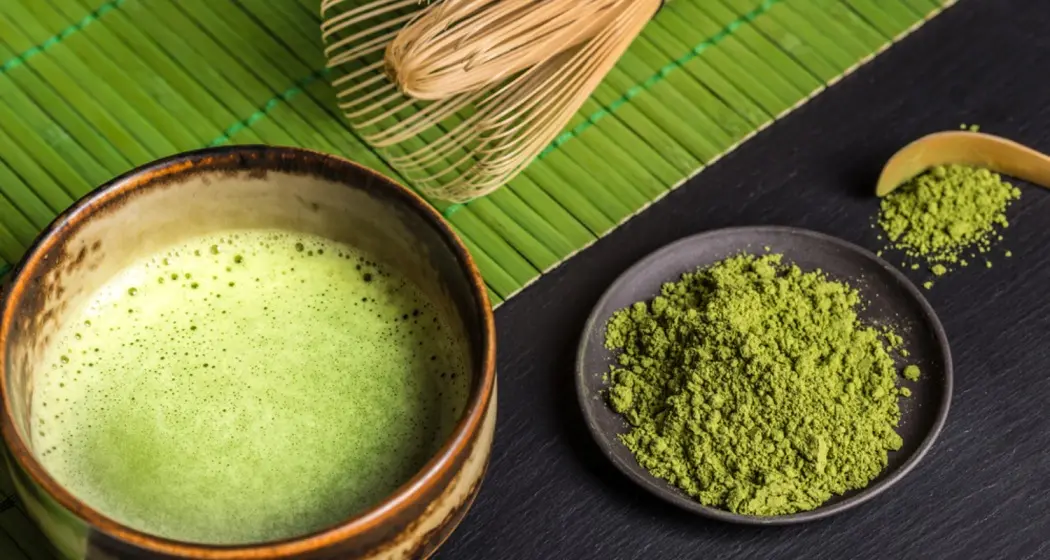
Matcha tea is different from regular tea. It comes in powdered form and is bright green in color. It originally comes from Japan. The tea leaves are grown in shade before harvesting.
Unique Preparation Method
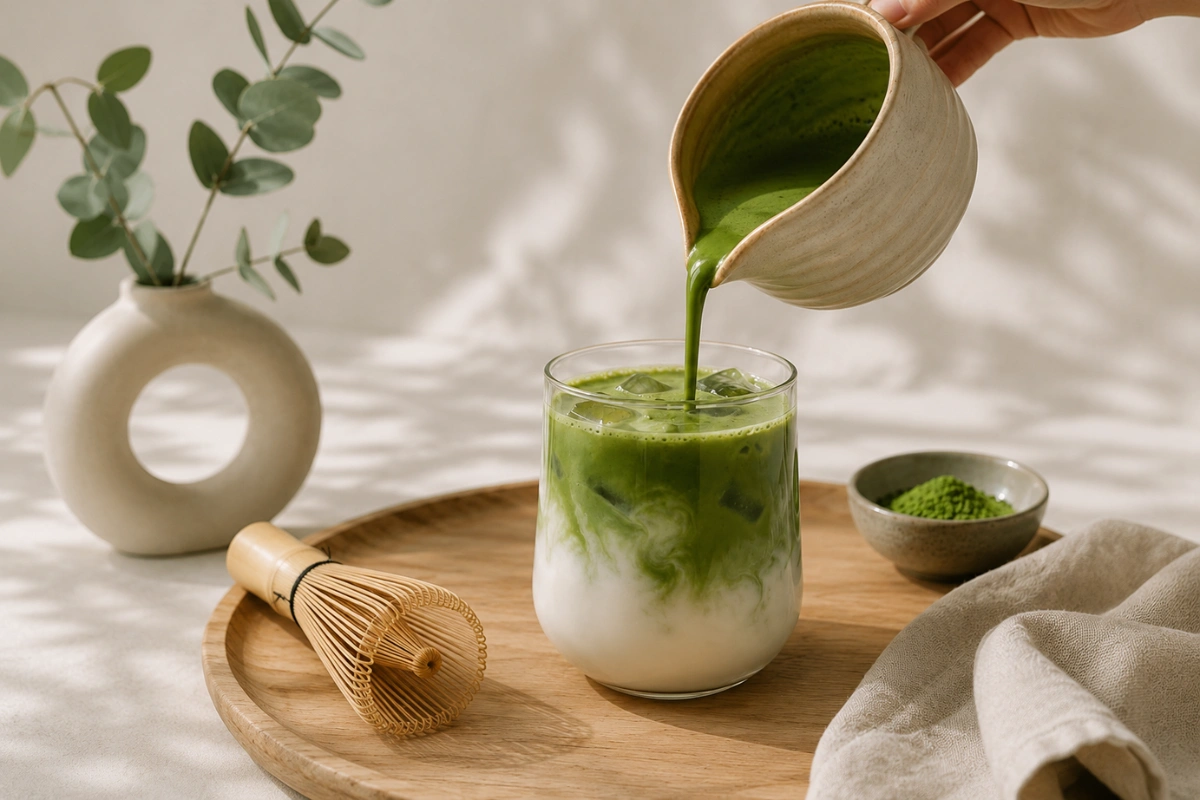
The process of making matcha is detailed. Leaves are steamed and dried carefully. They are then ground into a fine powder. The drink is prepared by mixing the powder in hot water.
Assam’s Traditional Tea Strength
Assam has always been known for its tea. The region mainly produces black tea. It also produces orthodox and CTC tea varieties.
Tea Growing Regions in Assam
Tea estates are spread across many districts. Important regions include Dibrugarh, Jorhat, and Sivasagar. These areas are known for their rich soil and climate.
Innovation at Chota Tingrai Tea Estate
The Chota Tingrai Tea Estate has taken a modern approach. It has set up a fully automated facility for matcha production. This facility uses advanced techniques inspired by Japan.
Global Collaboration Behind the Project
The project took many years to develop. Experts from different countries contributed. Japanese tea specialists and technology providers were involved.
Entry into the Market
The first batch of Assam matcha entered the market through auction. It was handled by J Thomas & Co Pvt Ltd. The buyer was Sheosons Chai Co.
Role of Tea Auction Centres
Tea auctions play an important role in India. They connect producers with buyers. The Guwahati centre is one of the biggest in the region.
Growing Demand for Matcha
Matcha tea is becoming popular worldwide. It is known for its health benefits. Many people prefer it for its taste and energy boost.
Health and Lifestyle Trends
People are focusing more on healthy drinks. Matcha is rich in antioxidants. It fits well with modern lifestyle choices.
Boost for Assam’s Economy
This new production can help local farmers. It can create more job opportunities. It may also increase exports from the region.
Expanding India’s Tea Portfolio
India is known for tea globally. Adding matcha increases product variety. It helps compete in international markets.
Sustainable Farming Practices
Matcha production encourages careful farming. Shade-growing methods protect plant quality. It also promotes better agricultural practices.
Future of Matcha in India
The success of this project may inspire other tea estates. More regions could start producing matcha in the coming years. This can turn India into a strong player in the global matcha market.
Rising Global Interest in Specialty Teas
Specialty teas like matcha are gaining attention across the world. Consumers are exploring new flavors and premium products. Assam Matcha Tea Production fits perfectly into this trend, helping India move beyond traditional tea offerings and enter a more diverse and modern tea market.
Opportunities for Export Growth
With increasing global demand, Assam Matcha Tea Production can open new export opportunities for India. Countries that already consume matcha regularly may look at India as an alternative source. This can improve trade and bring more international recognition to Assam’s tea industry.
Impact on Local Innovation and Skills
This initiative is also encouraging skill development in the region. Workers and tea growers are learning new techniques related to matcha cultivation and processing. This shift toward innovation can modernize the tea sector and inspire young entrepreneurs to explore new ideas in agriculture and food production.