



Kuno Cheetahs Reach 38: India Celebrates a New Milestone in Cheetah Conservation

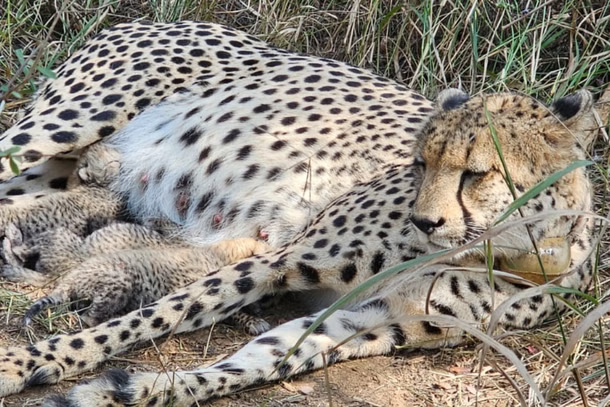
India’s wildlife conservation journey has reached a fresh and encouraging milestone as Kuno Cheetahs Reach 38, following the birth of three new cubs at Kuno National Park. The announcement brought positive news for conservationists and nature lovers across the country, highlighting steady progress in India’s ambitious cheetah reintroduction programme. The latest cubs were born to Gamini, a female cheetah that was relocated from South Africa under the national conservation initiative.
Union Environment Minister Bhupender Yadav confirmed the development, stating that both the mother and cubs are healthy and under close observation. With these new births, India’s total cheetah population now stands at 38, a figure that reflects years of planning, monitoring, and sustained conservation efforts.

A proud moment for wildlife conservation
The birth of these cubs is not just a numerical achievement. It represents a strong sign that cheetahs are gradually adapting to Indian conditions after decades of absence. Gamini has now delivered cubs for the second time in India, showing that the environment at Kuno is supporting natural breeding behaviour. This success has raised optimism among wildlife experts, who see repeated breeding as a key indicator of long term ecological adjustment.
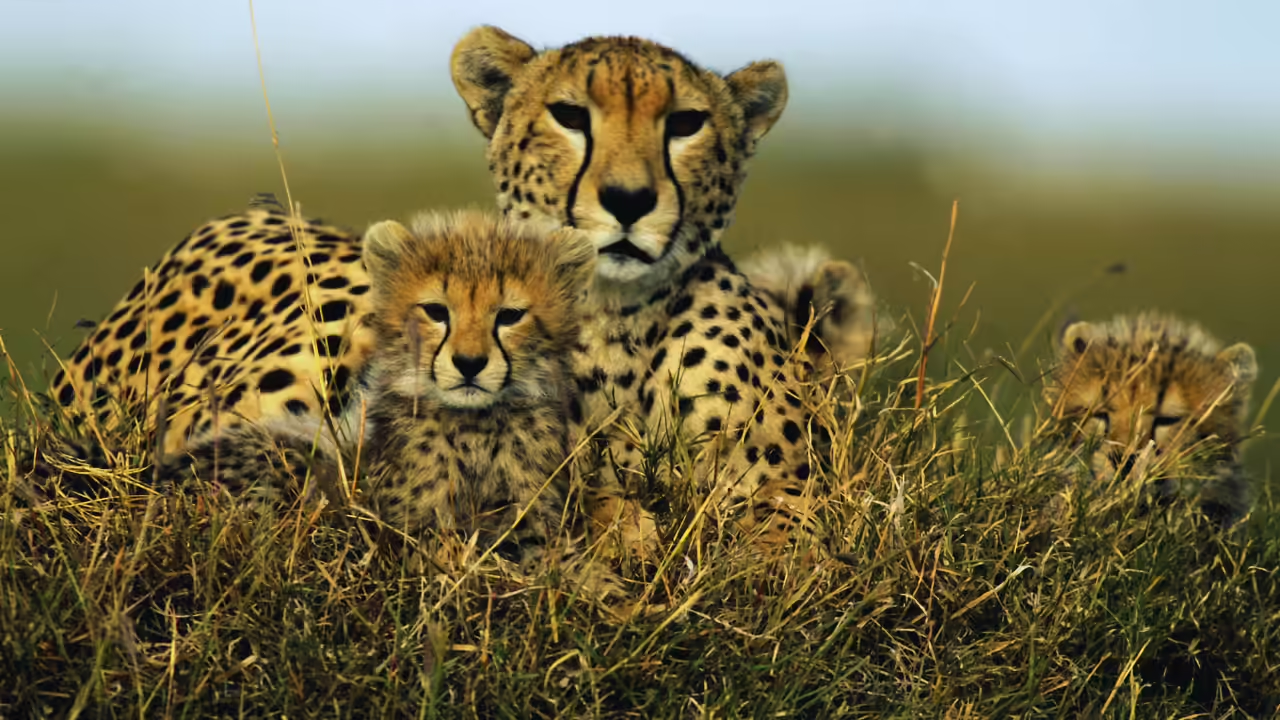
So far, nine successful litters have been recorded in India since cheetahs were reintroduced. Out of the total population, 27 cubs have been born on Indian soil. These numbers matter because the ultimate goal is to build a self sustaining cheetah population rather than depending on continued translocation from other countries.
Three years of Project Cheetah
The latest births come close to the completion of three years since cheetahs were formally reintroduced to India. The programme, known as Project Cheetah, began in 2022 with a historic step. Twenty cheetahs were brought from Namibia and South Africa in what experts describe as the world’s first inter continental relocation of a large carnivore.
In September 2022, Prime Minister Narendra Modi released the first group of cheetahs into Kuno, marking the return of the species to India after seventy years. Since then, forest officials, veterinarians, and wildlife scientists have worked together to track the animals using satellite collars, monitor their health, and study their hunting and movement patterns.
Why Kuno was chosen
Kuno National Park, located in Madhya Pradesh, was selected after years of ecological assessment. The park offers open grasslands, sufficient prey, and relatively low human disturbance, all of which are essential for cheetah survival. Over time, habitat management efforts have focused on improving grassland quality and ensuring water availability, helping the park support a growing cheetah population.
The success seen so far suggests that Kuno can function as a viable home for cheetahs, though experts stress that long term stability will require continued protection and careful expansion planning.
Ecological meaning of the cheetah return
Cheetahs once roamed widely across India’s grasslands and semi arid regions but were declared extinct in 1952 due to hunting and habitat loss. Their return is about more than restoring a single species. As apex predators, cheetahs play a role in maintaining ecological balance by regulating prey populations. This helps grassland ecosystems remain healthy and diverse.
The presence of cheetahs also brings renewed attention to grasslands, which are often overlooked compared to forests. Conservationists believe that protecting these landscapes will benefit many other species, from birds and small mammals to insects and plants.
Challenges and careful monitoring
While the rise in numbers is encouraging, the journey has not been without challenges. Reintroducing a large carnivore involves complex scientific and management issues. These include disease prevention, genetic diversity, prey management, and reducing the risk of conflict with nearby communities. Authorities have responded by strengthening veterinary care, improving tracking systems, and engaging local residents through awareness programmes and livelihood support.
Each new litter provides valuable data that helps experts refine conservation strategies. Learning from both successes and setbacks is central to ensuring the long term survival of cheetahs in India.
Growing Hope for the Future as Kuno Cheetahs Reach 38
As Kuno Cheetahs Reach 38, confidence in India’s conservation vision continues to grow. The steady increase in Indian born cubs suggests that cheetahs are not only surviving but beginning to thrive. Beyond wildlife protection, the project is also expected to support eco tourism and create sustainable economic opportunities for local communities.
The story of cheetahs at Kuno reflects patience, scientific planning, and a renewed commitment to restoring lost species. With continued care and cooperation, India’s cheetah journey is gradually shaping into a symbol of ecological revival and responsible conservation.