Meghalaya Soil Lake Opens New Path for Conservation and Eco-Tourism

Meghalaya Soil Lake marks a fresh and hopeful chapter in the state’s journey toward protecting nature while supporting local growth. With the inauguration of a newly developed Soil Lake at Williamnagar in the East Garo Hills district, Meghalaya has shown how careful planning and community-focused projects can bring environmental care and development together. The lake has been created under the Nengsang River Valley Project and aims to restore an important waterbody, strengthen climate readiness, and open new paths for eco-friendly tourism in the region.
Thank you for reading this post, don't forget to subscribe!A New Step for Environmental Care in Meghalaya
The inauguration of Soil Lake is part of Meghalaya’s wider effort to protect its land and water resources. Over the years, many rivers, streams, and springs in the hill state have shown signs of stress due to changing weather patterns and human pressure. By restoring natural water systems, the government hopes to protect both people’s livelihoods and the rich plant and animal life that depends on these water sources.
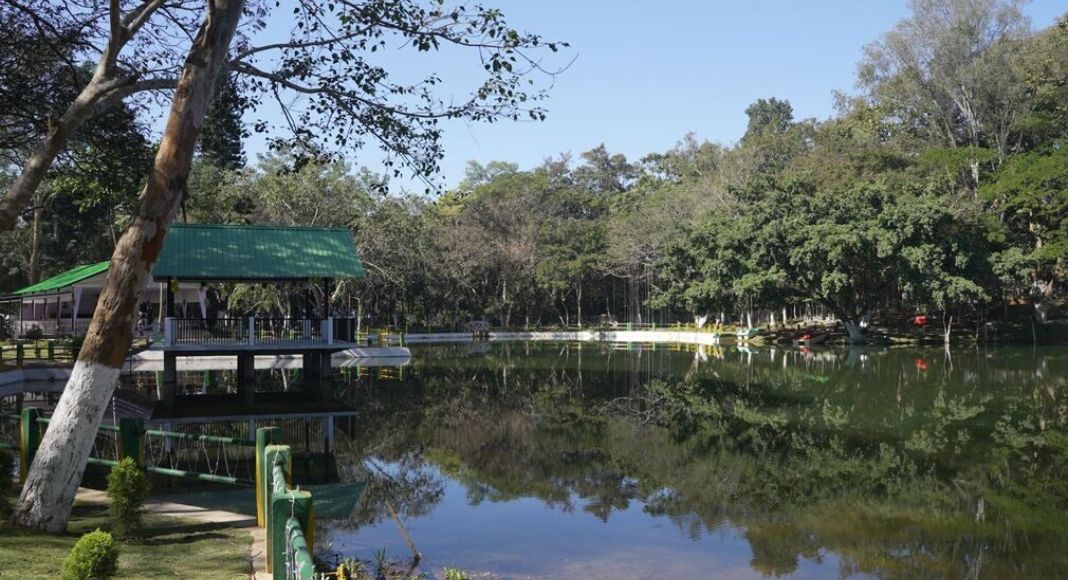
Located in Williamnagar town, the Meghalaya Soil Lake adds beauty to the area while serving a practical purpose. It is designed to store water, reduce soil erosion, and support nearby ecosystems. At the same time, it gives the town a new green space that can attract visitors and improve the overall environment.
Nengsang River Valley Project and Its Vision
The Meghalaya Soil Lake has been developed under the Nengsang River Valley Project, which focuses on soil and water conservation across the region. Chief Minister Conrad K Sangma inaugurated the lake, highlighting its role in restoring natural balance. The project looks at long-term solutions rather than short-term fixes, aiming to protect rivers and valleys that are vital for farming, drinking water, and daily life.
By bringing back natural water flow and improving storage, the project helps reduce the impact of floods during heavy rains and water shortages during dry months. The Soil Lake is expected to become an important part of this system, acting as a support point for nearby water sources.
Climate Change and Growing Challenges
During the inauguration, the chief minister spoke about the serious effects of climate change on Meghalaya. Rivers, streams, and springs that once flowed steadily are now facing uncertainty. Some changes are slow and hard to notice at first, but their impact grows over time. Reduced forest cover, shifting rainfall patterns, and rising temperatures are putting pressure on the state’s natural systems.
According to state leaders, Meghalaya may already be close to a point where damage becomes harder to reverse. This makes projects like the Soil Lake even more important, as they help prepare communities for future challenges by protecting water and soil today.
Falling Spring Water Levels Raise Concern
Soil and water conservation minister Marcuise N Marak shared concerns about falling spring water levels across the state. Springs play a major role in supplying water to rural homes, but many villages are now facing shortages, especially during dry seasons. Irregular rainfall and soil erosion have made the situation worse over the past decade.
To tackle these issues, the state has formed the Meghalaya Climate Change Council. This body will guide long-term planning, bring different departments together, and help turn climate ideas into action on the ground. Recharging springs, building water storage systems, and encouraging community involvement are key parts of this approach.
Eco-Tourism Linked With Local Livelihoods
One of the most promising aspects of the Meghalaya Soil Lake is its role in eco-tourism. Officials see it as an example of how conservation projects can also create income opportunities. The lake covers around half a hectare and can store a large amount of water, which helps recharge groundwater and control flooding.
Around the lake, activities like nature walks, small tourism services, and local crafts can provide jobs for nearby communities. At the same time, the lake supports farming by improving soil moisture and making water available for irrigation throughout the year.
Meghalaya Soil Lake: A Model for the Future
Along with check dams, recharge pits, and community-led water harvesting systems, Soil Lake strengthens Meghalaya’s efforts to live in harmony with nature. It shows that development does not always have to come at the cost of the environment. Instead, with thoughtful planning, both can grow together.
As Williamnagar welcomes this new conservation space, the Soil Lake stands as a reminder that small, well-designed projects can make a big difference. By protecting water, supporting people, and respecting nature, Meghalaya is setting an example for sustainable growth in hill regions across the country.