Poland Chinese Car Ban at Military Sites

Poland Chinese Car Ban has drawn international attention after the Polish government decided to block Chinese-made vehicles from entering military bases. The decision was announced on February 19, 2026, by the Chief of the General Staff of the Polish Armed Forces. Officials said the move is based on national security concerns related to advanced digital systems installed in modern vehicles.
Thank you for reading this post, don't forget to subscribe!Today’s cars are no longer just mechanical machines. They are equipped with internet connectivity, cameras, microphones, GPS tracking, and smart sensors. These features improve safety and comfort, but they also collect and transmit large amounts of data. Poland believes that such systems could create security risks if allowed inside sensitive defence areas.
The new rule applies specifically to military installations and protected defence zones. Civilian roads and public areas are not affected. The government has made it clear that the decision is preventive and aimed at protecting critical infrastructure.
Why Modern Vehicles Raise Security Concerns
Modern vehicles use telematics systems. These systems combine satellite navigation, wireless communication, cameras, and onboard computers. Many electric vehicles and smart cars regularly send data back to manufacturers for performance updates and system improvements.
Polish military authorities are concerned that vehicles entering restricted zones could record images, track movements, or capture audio without full awareness of users. Even if such data is meant for technical use, it may create vulnerabilities in highly sensitive locations like military bases.
Officials warned that defence facilities store strategic equipment, confidential plans, and secure communication systems. Any uncontrolled data transmission from inside these areas could potentially expose sensitive information.
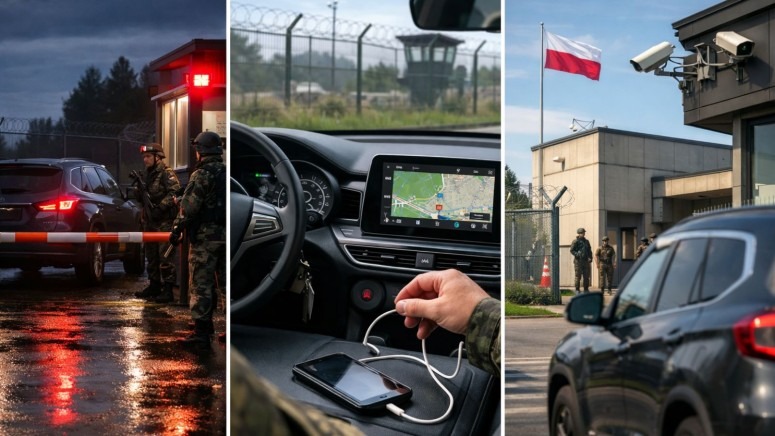
Because of this risk, vehicles fitted with location-recording, image-recording, or sound-recording devices are subject to strict checks. Entry into military zones will be allowed only if such systems are disabled and meet security standards.
Restrictions for Government Officials
The Poland Chinese Car Ban also includes rules for government employees and military personnel. Officials are now prohibited from connecting official smartphones to infotainment systems in vehicles manufactured in the People’s Republic of China.
Infotainment systems allow drivers to connect phones for navigation, calls, and entertainment. However, these systems may store contact lists, messages, or location history. Polish authorities fear that linking official devices to these systems could create a security gap.
Military commanders have been instructed to arrange alternative parking spaces outside secure compounds for restricted vehicles. This ensures that such cars remain outside high-security areas.
However, not all facilities are included in the restriction. Military sites open to the public, such as clinics, hospitals, libraries, and garrison clubs, are exempt. Official military vehicles and emergency services are also not affected. Rescue missions and state agency duties can continue without interruption.
Poland’s Security Position in Europe
Poland is an active member of NATO and the European Union. Due to its geographical location in Eastern Europe, Poland plays a significant role in regional defence. In recent years, security concerns have increased across Europe, especially due to ongoing tensions linked to the Russia-Ukraine conflict.
As part of NATO’s eastern flank, Poland has strengthened its military presence and invested heavily in defence modernization. The decision to restrict certain vehicles is seen as part of a broader effort to protect defence infrastructure from digital risks.
Several Western countries have already reviewed the use of foreign technology in sensitive sectors such as telecommunications and surveillance. Poland’s latest step reflects this wider trend of reassessing digital vulnerabilities in critical systems.
Impact on Chinese Automotive Brands
Chinese car manufacturers have been expanding rapidly across Europe. Brands such as BYD, MG Motor, and Chery have gained popularity due to affordable pricing and advanced electric vehicle technology. China is currently one of the world’s largest exporters of electric vehicles.
In Poland, sales of Chinese electric cars have increased as consumers look for budget-friendly and energy-efficient options. Despite this growing market presence, the government has chosen to separate trade from defence concerns.
The ban applies only to military facilities and does not prevent citizens from buying or driving Chinese cars in public areas. The Polish military has emphasized that the measure is about security standards, not trade restrictions.
Poland Chinese Car Ban and Trade-Security Balance
Poland maintains active trade relations with China. Many European economies depend on Chinese manufacturing for electronics, machinery, and vehicles. However, digital security has become a major issue worldwide.
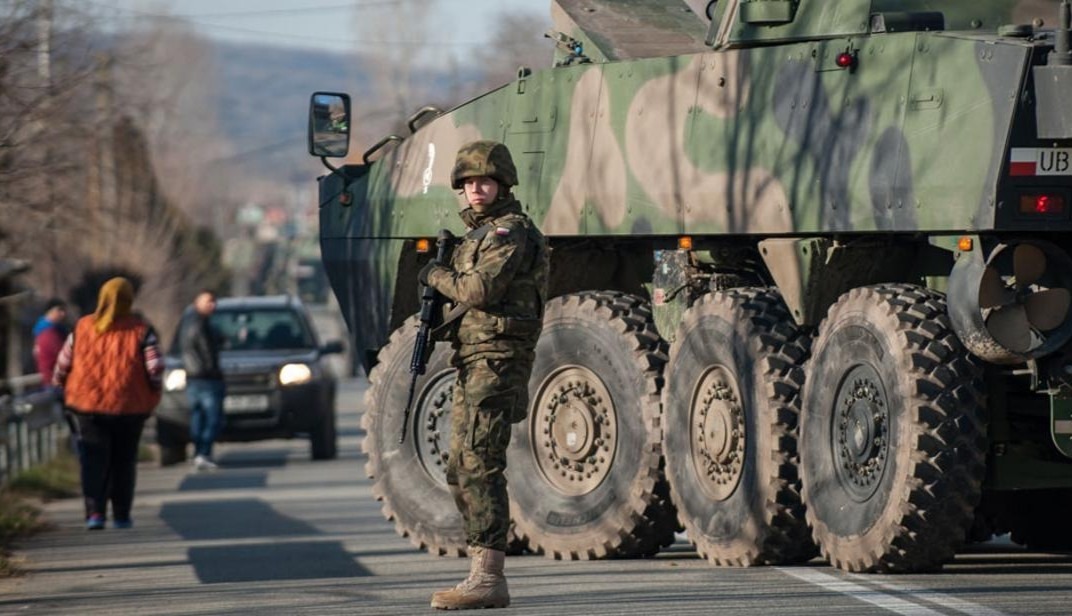
As technology becomes more connected, governments are paying closer attention to data protection. Hybrid warfare strategies now include cyberattacks and digital surveillance. In such a situation, defence infrastructure is considered highly sensitive.
Polish authorities have suggested that legal and technical systems may be developed to allow vehicle manufacturers to seek information security approval. This would create a transparent method for companies to prove that their vehicles meet strict safety standards.
The government has stressed that the policy is not discriminatory but based on technical risk assessments. The focus remains on protecting sensitive locations rather than targeting specific companies.
A Broader Global Trend
The Poland Chinese Car Ban reflects how rapidly changing technology is influencing defence policies. Vehicles are becoming smarter every year. Electric vehicles rely on constant software updates, cloud connectivity, and digital monitoring. While these features improve user experience, they also raise new security questions.
Across Europe and North America, governments are reviewing digital risks in transport systems, telecommunications networks, and public infrastructure. Data privacy, cybersecurity, and technological independence are now central topics in global politics.
Poland’s decision highlights the growing link between modern technology and national security. As smart vehicles and connected devices become more common, countries may introduce similar rules to protect sensitive facilities.
The Poland Chinese Car Ban shows how governments are adapting defence policies to match the digital age. It underlines the importance of balancing innovation, trade, and security in a world where technology plays a central role in everyday life and national defence.