Uttarakhand 1 GW Solar Milestone: State Crosses a Major Clean Energy Landmark

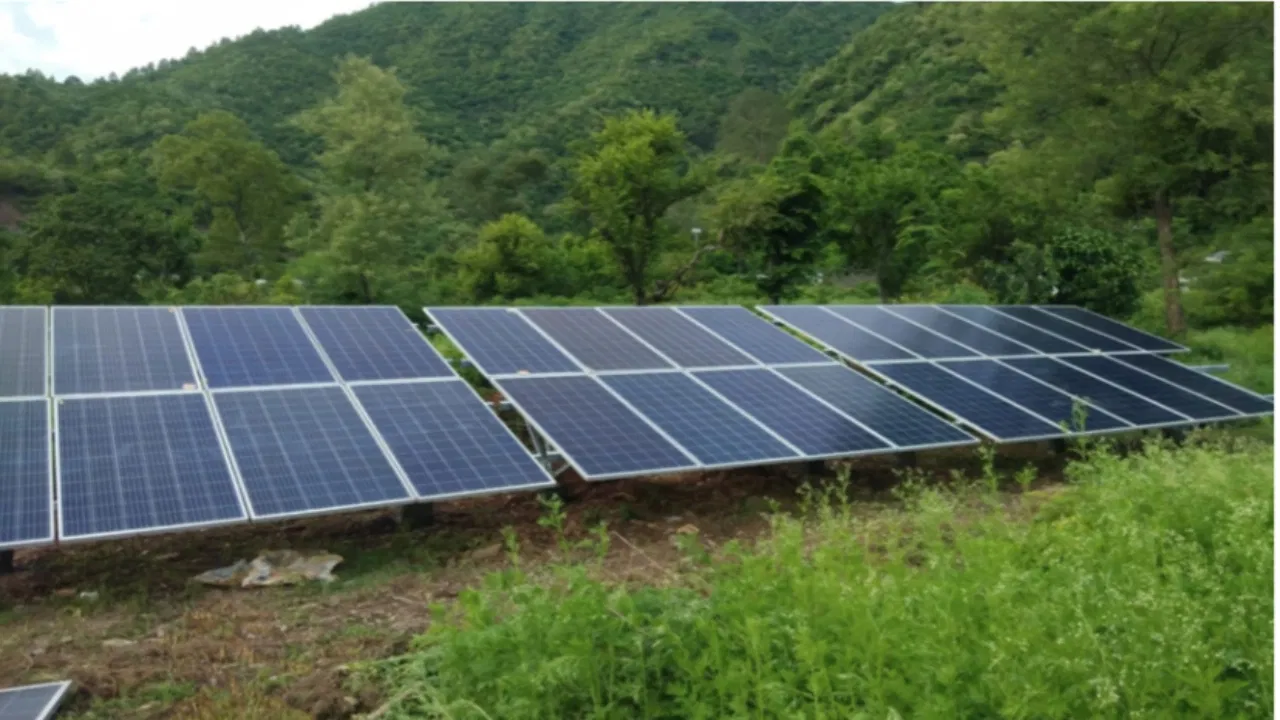
The Uttarakhand 1 GW Solar Milestone marks a proud moment in the state’s clean energy journey. Uttarakhand has officially crossed 1 gigawatt (GW) of installed solar power capacity, strengthening its role in India’s renewable energy transition. With total installed solar capacity reaching more than 1,027.87 megawatts (MW), the hill state has shown that even regions with difficult terrain can make steady progress toward sustainable and self-reliant energy systems.
Thank you for reading this post, don't forget to subscribe!This achievement reflects years of planning, policy support, and strong coordination between the central and state governments. It also highlights how solar power is becoming a practical and people-friendly solution for meeting energy needs while protecting the environment.
Strong Political Support Behind the Solar Push
The solar milestone has been welcomed by Pushkar Singh Dhami, who described it as a reflection of the Centre’s clear focus on renewable energy. He credited the leadership of Narendra Modi for promoting green growth as part of the Atmanirbhar Bharat vision. According to the Chief Minister, solar energy has grown into a people-centric movement that not only supplies clean power but also creates local jobs and income opportunities.
The emphasis on self-reliance and sustainable development has encouraged Uttarakhand to adopt solar solutions across homes, businesses, farms, and government institutions.
Diverse Solar Projects Powering Growth
One of the key reasons behind the Uttarakhand 1 GW Solar Milestone is the state’s diversified approach to solar development. Instead of relying on a single model, Uttarakhand has used multiple types of solar installations suited to its geography and social needs.
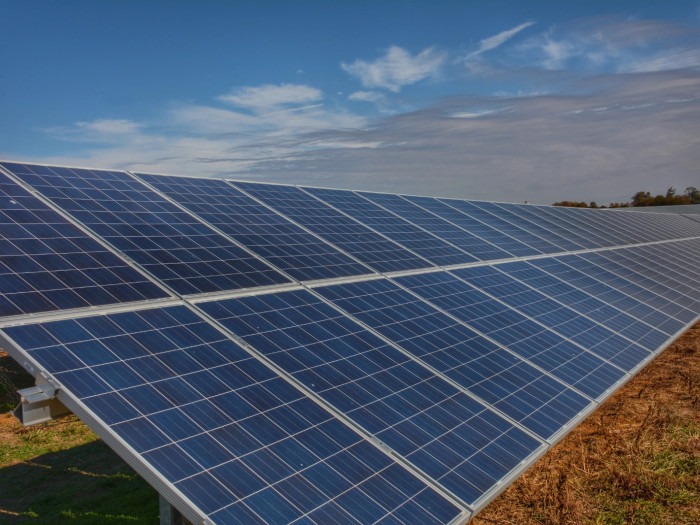
Ground-mounted solar plants have contributed around 397 MW to the total capacity. These large projects play an important role in supplying power to the grid. Rooftop solar installations, especially under the PM Surya Ghar scheme, have added nearly 241 MW. These systems allow households to generate their own electricity, reduce power bills, and feed surplus energy back into the grid.
The state has also invested in innovative projects such as canal-top and canal-bank solar plants, which together account for about 37 MW. These projects make smart use of available space, reduce water evaporation, and avoid land acquisition challenges.
Solar Schemes Supporting Jobs and Income
A major contributor to the solar milestone has been the Chief Minister Solar Self-Employment Scheme. Under this initiative, about 137 MW of solar capacity has been installed, enabling local youth and small entrepreneurs to enter the renewable energy sector. Many beneficiaries have set up small solar plants or rooftop systems, creating a steady source of income.
Commercial net metering projects have added around 110 MW, while captive solar plants, set up mainly by industries for their own use, have contributed about 51 MW. In addition, 26 MW of solar capacity has been installed on government buildings, setting an example for public institutions to adopt clean energy.
Officials have confirmed that more than 100 MW of additional solar capacity is currently under installation through ongoing schemes. This shows that the state’s solar journey is far from over and will continue to grow in the coming years.
Clean Energy Benefits for Remote and Mountain Areas
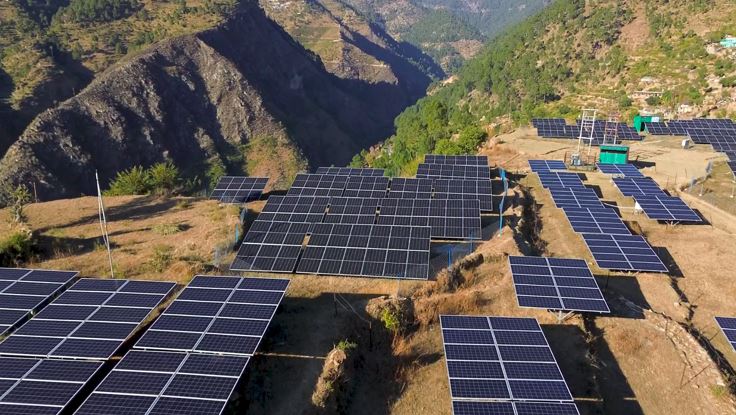
Solar power has special importance for a hill state like Uttarakhand. Many remote and mountainous regions face challenges related to power supply due to difficult terrain and weather conditions. Decentralised solar systems, such as rooftop panels and solar pumps, help bring reliable electricity to these areas.
The expansion of solar energy has also reduced dependence on fossil fuels, leading to lower carbon emissions. Cleaner air, reduced climate impact, and better energy security are some of the long-term benefits for local communities. Farmers using solar pumps benefit from reliable irrigation, while households enjoy stable power without frequent disruptions.
Role of UREDA in Driving Solar Adoption
The Uttarakhand Renewable Energy Development Agency has played a central role in achieving the Uttarakhand 1 GW Solar Milestone. UREDA has supported solar projects through technical guidance, awareness programs, and coordination with developers and local authorities.
Simplified approval processes, attractive subsidies, and incentives for private investors have helped speed up project execution. UREDA has also worked to spread awareness about the benefits of solar energy, encouraging more people to adopt rooftop systems and participate in government schemes.
Solar Power and Long-Term Sustainability Vision
Uttarakhand’s solar success fits well with India’s national goal of achieving 500 GW of non-fossil fuel capacity by 2030. The state’s progress shows how renewable energy can balance development needs with environmental responsibility.
Looking ahead, the state government plans to further expand solar capacity, especially in rural and remote areas. Increasing public participation, attracting private investment, and adopting new technologies will remain key priorities. By continuing on this path, Uttarakhand aims to strengthen its position among India’s leading solar energy states.
The Uttarakhand 1 GW Solar Milestone is not just a number. It represents cleaner power, new livelihoods, and a stronger commitment to a sustainable future. As solar energy continues to spread across rooftops, fields, canals, and government buildings, Uttarakhand’s journey offers a positive example of how clean energy can transform lives while protecting nature.