


India Upholds E-Cigarette Ban: Government Stays Firm on Public Health Policy

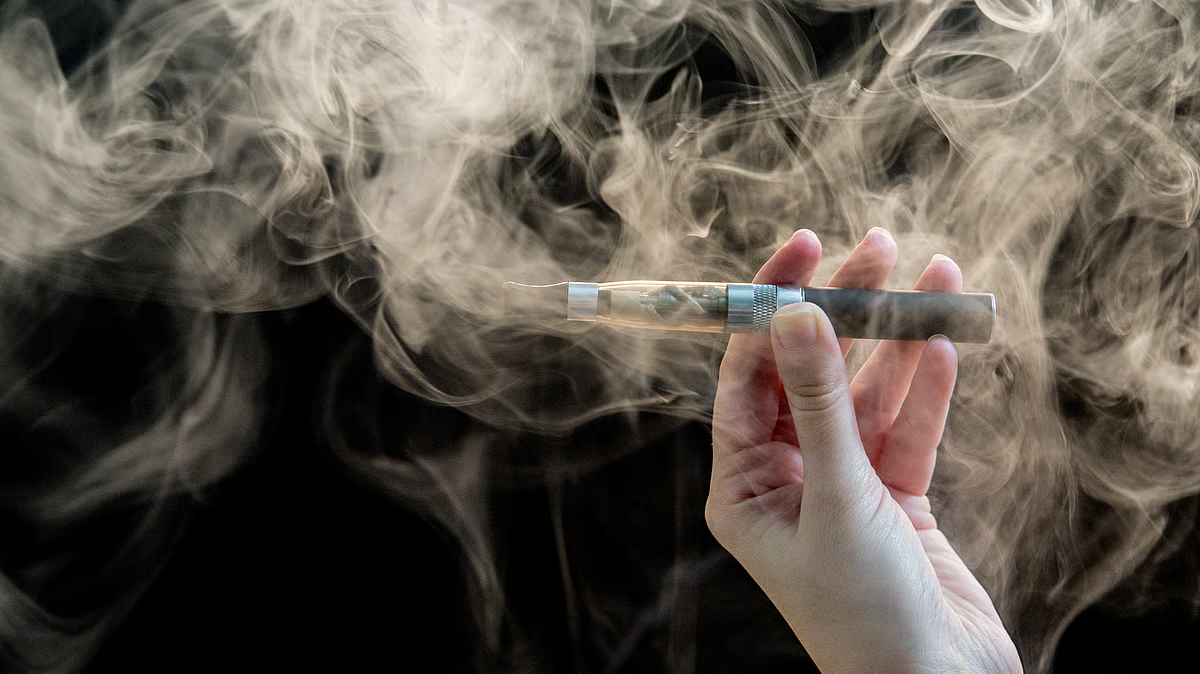
India Upholds E-Cigarette Ban as the central government has once again made it clear that there will be no relaxation in the nationwide prohibition on e-cigarettes and heated tobacco products. The decision reinforces India’s strong public health stance and blocks renewed efforts by global tobacco companies to re-enter the market with alternative smoking devices. By rejecting proposals to review or amend the 2019 law, the government has sent a clear message that protecting public health remains a top priority.
Strong Commitment to Tobacco Control
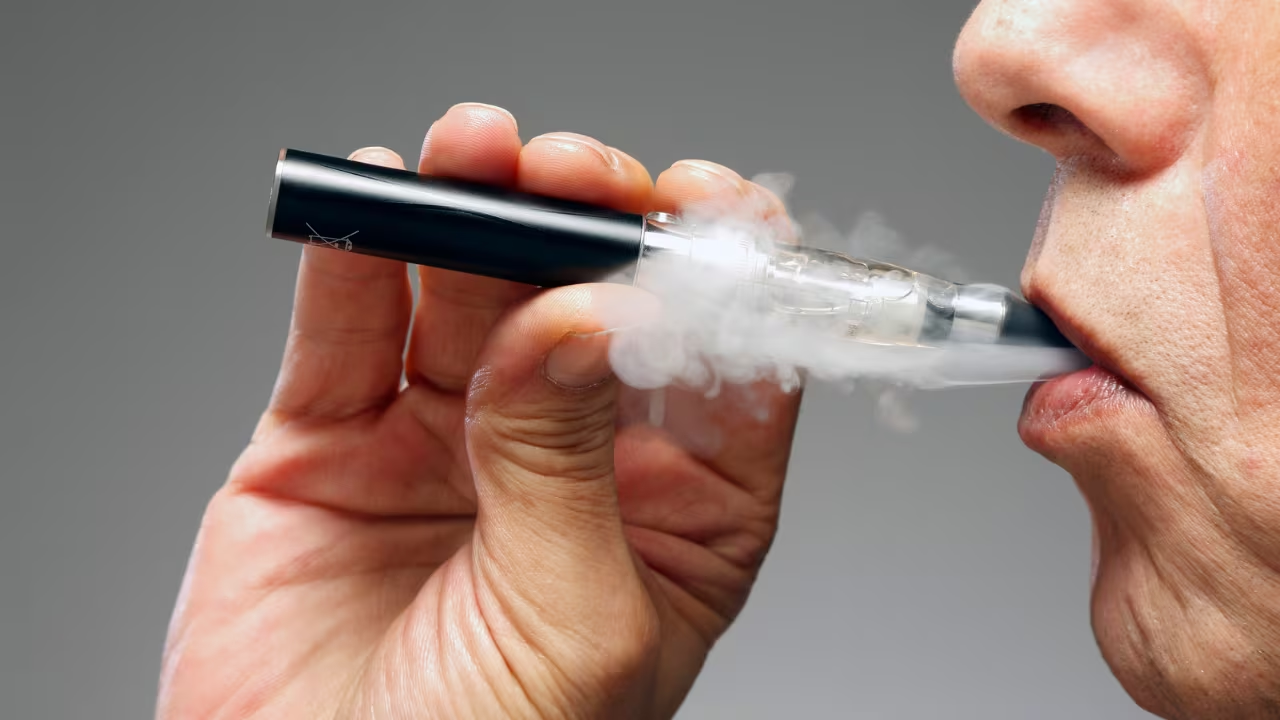
India’s Union health ministry has clarified that it is not considering any change to the existing ban on e-cigarettes, including heat-not-burn devices. These products are often promoted as safer alternatives to traditional cigarettes, but Indian authorities continue to treat them as a serious health risk. The ban, which came into force in 2019, covers the manufacture, import, sale, storage, and advertising of e-cigarettes and heated tobacco devices.

India Upholds E-Cigarette Ban at a time when the country continues to face a heavy burden of tobacco-related diseases. With more than one million deaths every year linked to tobacco use, the government has repeatedly stated that strict regulation is necessary to protect citizens, especially young people. Officials have emphasized that introducing new nicotine products could reverse progress made in reducing tobacco consumption.
Size of the Indian Tobacco Market
India is the world’s seventh-largest cigarette market by volume, with annual sales exceeding 100 billion cigarettes. This massive consumer base makes the country attractive to global tobacco firms seeking expansion. However, it also means that any policy change could have wide public health consequences.
The government has consistently argued that allowing new forms of tobacco or nicotine delivery systems could increase addiction levels. Health authorities believe that alternative devices may act as a gateway, particularly for non-smokers and youth, leading them toward long-term nicotine dependence.
Philip Morris and the Push for Heated Tobacco
One of the main companies affected by the continued ban is Philip Morris International, the maker of Marlboro cigarettes. The company has been actively promoting its heated tobacco device, IQOS, as part of its vision for a so-called smoke-free future.
India Upholds E-Cigarette Ban despite sustained lobbying from the company between 2021 and 2025. During this period, Philip Morris reportedly wrote to Indian authorities, requesting a review of scientific evidence related to heat-not-burn products. The company argued that such devices are less harmful than traditional cigarettes and should be treated differently under the law.
It also sought meetings and presentations with Indian regulators and scientific bodies, hoping to make a case for regulatory exemptions. However, these efforts did not lead to any policy shift.
Role of Indian Health Institutions
The Indian Council of Medical Research, or Indian Council of Medical Research, has played a key role in shaping the country’s tobacco control narrative. The body has made it clear that it is not conducting research to support the use of heated tobacco products.
Health experts linked to government agencies have repeatedly warned that there is not enough independent evidence to prove that such devices are safe. They argue that tobacco companies often fund studies that downplay risks, making it difficult to rely on their claims.
India Upholds E-Cigarette Ban in line with the precautionary principle, which supports preventive action when scientific certainty is lacking but potential harm is significant.
Global Debate on Heated Tobacco
Internationally, heated tobacco products remain a subject of debate. In some countries, regulators have taken a more flexible approach. The US Food and Drug Administration has allowed IQOS to be marketed in the United States with specific restrictions and limited public health claims.
At the same time, the World Health Organization has cautioned governments against assuming that heated tobacco products are safe. The WHO has stated that these devices still expose users to harmful chemicals and can undermine global tobacco control efforts.
India’s position aligns closely with WHO recommendations under the Framework Convention on Tobacco Control, which calls for strong measures to reduce tobacco use in all forms.
Impact of the 2019 Ban
India Upholds E-Cigarette Ban under a central law passed in 2019, which was designed to act swiftly against the growing popularity of vaping devices. At the time, policymakers expressed concern that e-cigarettes were being marketed aggressively to young people with flavored options and sleek designs.
The ban effectively blocked the entry of major international brands, including companies such as Juul and Philip Morris. Analysts had suggested that opening the Indian market could significantly boost sales for these firms, given the country’s large population and rising incomes.
Public Health Over Commercial Interests
By standing firm, India Upholds E-Cigarette Ban as a clear example of placing public health above commercial pressure. The government has stressed that reducing tobacco-related harm should focus on prevention, cessation support, and strict enforcement of existing laws such as the Cigarettes and Other Tobacco Products Act.
Officials believe that allowing alternative nicotine products could weaken anti-tobacco messaging and create confusion among consumers. Instead, India continues to invest in awareness campaigns and healthcare initiatives aimed at helping users quit tobacco altogether.
In maintaining the ban, India reinforces its image as a country committed to strong and cautious health policy. The decision reflects a broader belief that long-term public health gains outweigh short-term economic or industry benefits, especially in a nation where the human cost of tobacco use remains extremely high.