Bee Corridors Initiative: NHAI’s Green Plan for Highways

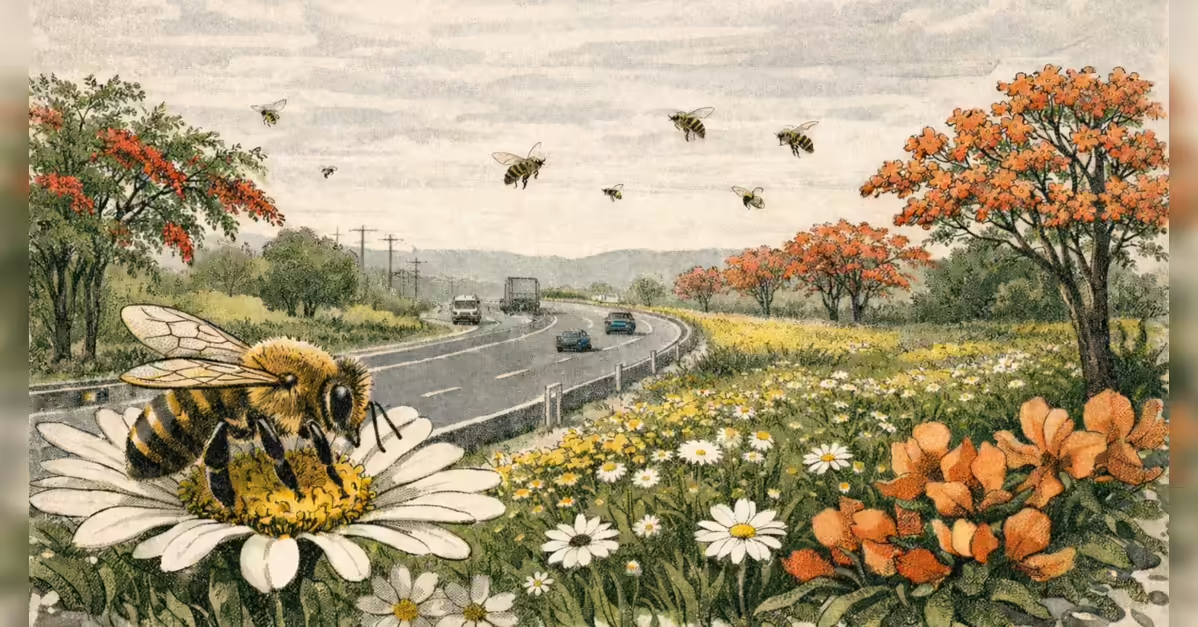
The Bee Corridors Initiative is a new step toward greener roads and healthier ecosystems in India. The National Highways Authority of India (NHAI) has announced a plan to create special green stretches along national highways that support honeybees and other pollinators. This move shows how road development can also protect nature. Instead of planting only decorative plants, the focus will now be on vegetation that helps wildlife, farming, and the environment.
Thank you for reading this post, don't forget to subscribe!Across India, rapid construction and climate pressures have affected natural habitats. Bees and other pollinators are especially vulnerable. Their numbers have been declining due to pollution, pesticide use, loss of flowering plants, and rising temperatures. The new highway planting strategy aims to reverse some of this damage while making roadside landscapes more useful for the environment.
Bee Corridors Initiative: Why Pollinators Matter
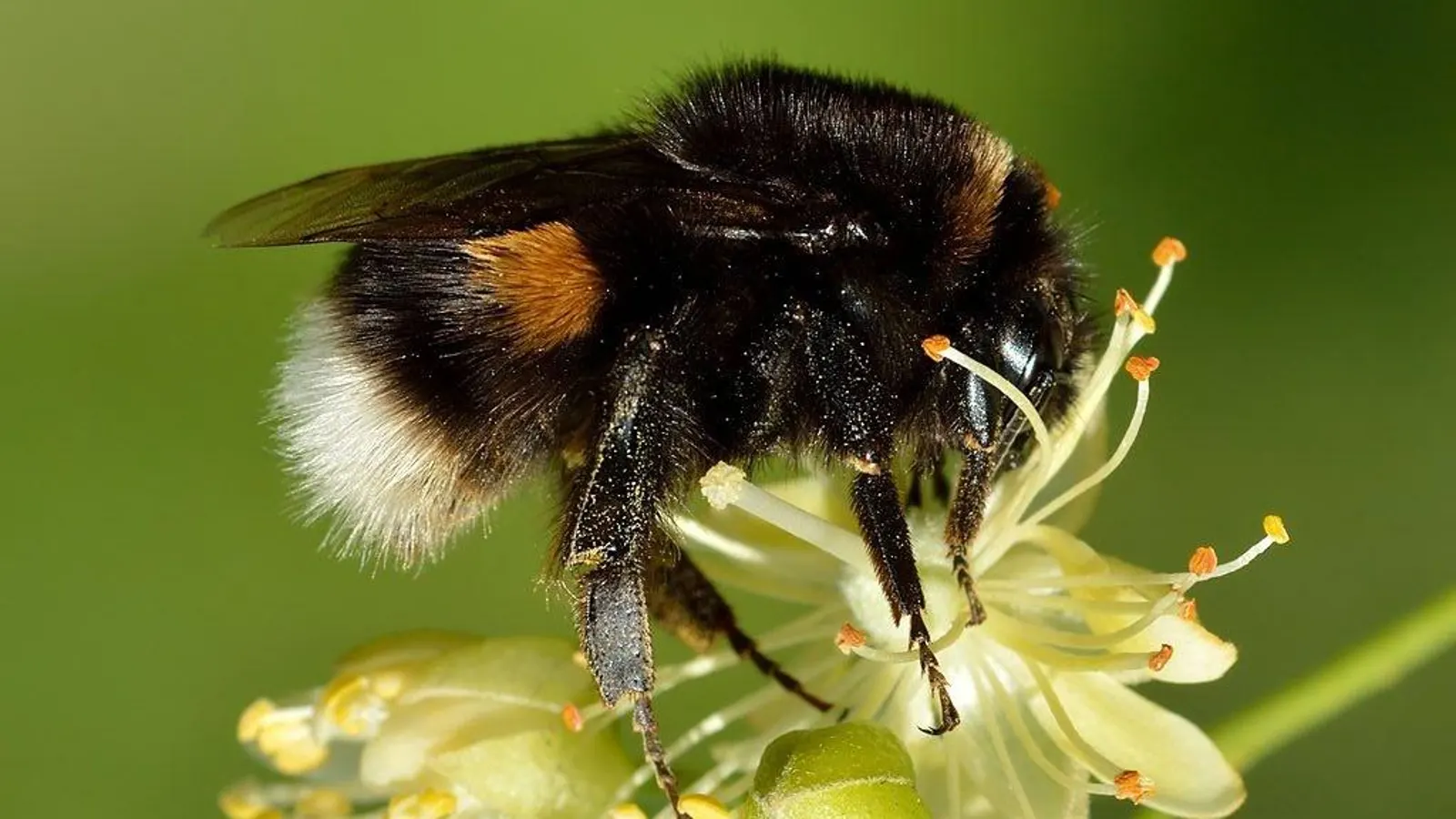
Pollinators such as honeybees, butterflies, moths, and some birds are essential for food production. They help plants reproduce by carrying pollen from one flower to another. Many fruits, vegetables, oilseeds, and nuts depend on this process. Without pollinators, crop yields fall, food prices rise, and ecosystems become unstable.
Scientists estimate that a large share of flowering plants and a significant portion of global crops rely on animal pollination. When bee populations decline, it affects both wild plants and agriculture. This is why protecting pollinators is now seen as a priority worldwide.
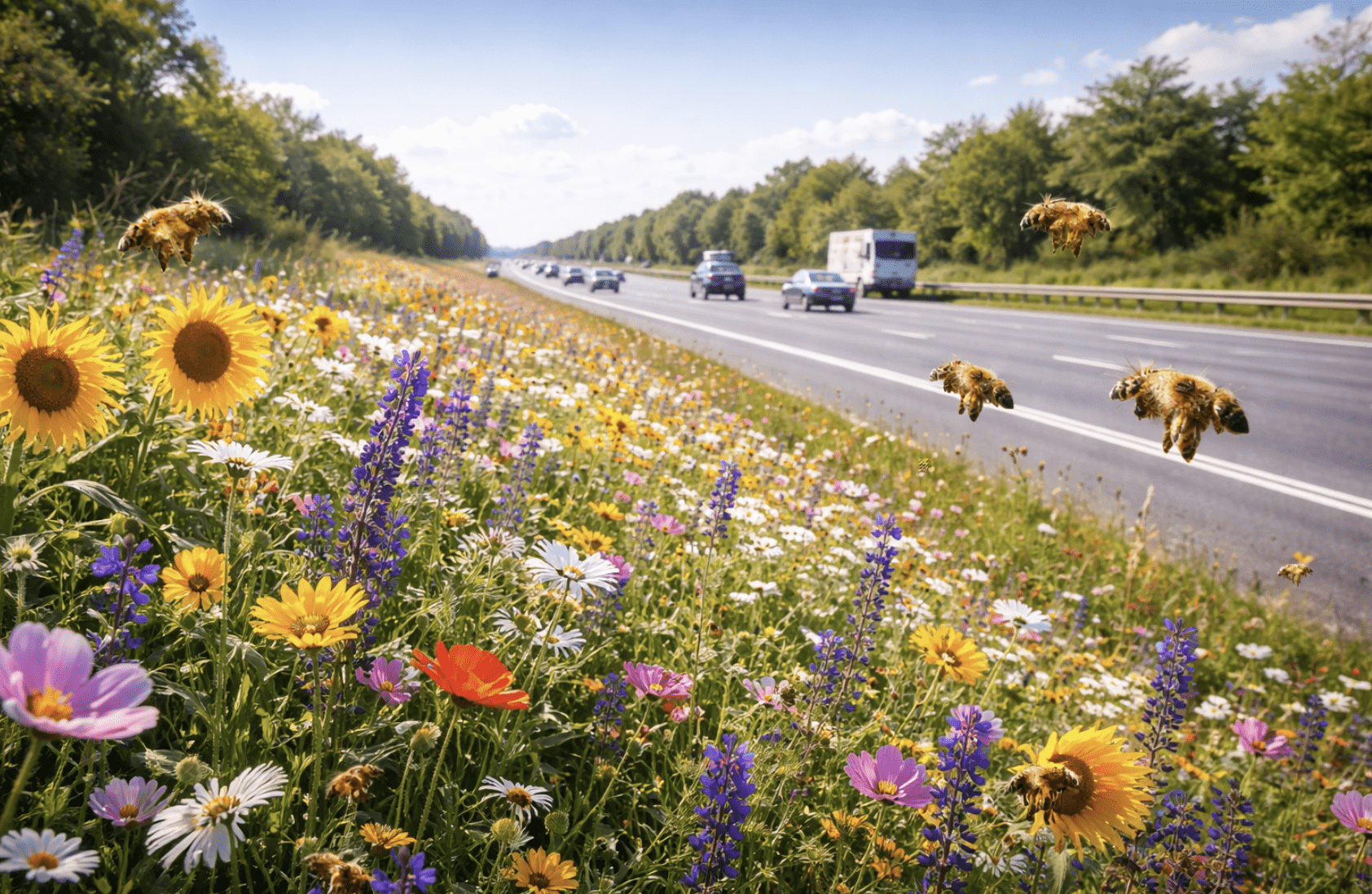
Highways stretch across long distances and pass through many types of landscapes. If planted carefully, these roadsides can become continuous habitats where pollinators can feed, rest, and reproduce safely. The Bee Corridors Initiative uses this idea to turn transport routes into ecological lifelines.
What a Bee Corridor Looks Like
Under the Bee Corridors Initiative, long stretches of highways will be lined with plants that produce nectar and pollen throughout the year. The goal is to ensure that something is always in bloom, regardless of the season. This is done through staggered planting- selecting species that flower at different times.
The corridors will include:
- Flowering trees
- Shrubs and bushes
- Native grasses
- Herbs and wildflowers
- Natural vegetation patches
Flowering weeds will not be removed unnecessarily, as they are important food sources for pollinators. Dead wood and hollow tree trunks may also be left in place to provide nesting sites for wild bees and insects.
This approach marks a shift from neat, ornamental landscaping to functional ecological design.
Native and Nectar-Rich Plants
NHAI plans to prioritise local plant species that are well adapted to regional climates and beneficial to pollinators. Some of the key trees and plants identified include:
- Neem
- Karanj
- Mahua
- Palash
- Bottle Brush
- Jamun
- Siris
These plants produce abundant flowers rich in nectar and pollen. Native species are also more resilient to drought, pests, and local weather conditions, which reduces maintenance costs and water use.
Using local plants also supports birds, butterflies, and other wildlife that depend on them.
Bee Corridors Initiative Smart Planning Along Highways
Field offices will study climate conditions, soil type, rainfall patterns, and available land before planting. Not every highway section will have the same plants. Instead, the design will match local ecological needs.
Flowering clusters will be planted at intervals of about 500 metres to 1 kilometre. This distance is based on the typical foraging range of honeybees and many wild bees. By placing food sources within this range, pollinators can move easily from one patch to another without exhausting themselves.
Unused land parcels along highways will also be converted into green zones wherever possible. This makes productive use of land that might otherwise remain barren.
Targets for the Coming Year
For the financial year 2026-27, NHAI plans to plant around 40 lakh trees along national highways. About 60 percent of these will be part of the Bee Corridors Initiative. In addition, at least three dedicated pollinator corridors will be developed as model stretches.
These pilot projects will help authorities study how well the concept works and how it can be expanded in the future.
Benefits Beyond Bees
Although the initiative focuses on pollinators, the benefits extend far beyond them.
1. Support for Farmers
Healthier bee populations can improve crop yields in nearby agricultural areas. Many farms are located close to highways, so better pollination can directly help rural livelihoods.
2. Climate Resilience
Trees and vegetation absorb carbon dioxide, reduce heat, and improve air quality. Green highways can help counter rising temperatures and pollution levels.
3. Soil Protection
Plant roots prevent erosion and reduce dust storms, especially in dry regions.
4. Biodiversity Restoration
Continuous green belts allow animals and insects to move safely between habitats, reducing fragmentation.
5. Aesthetic Improvement
Flowering plants also make highways more visually pleasant for travelers, creating colorful landscapes instead of barren stretches.
Part of a Larger Sustainability Push
The Bee Corridors Initiative reflects a broader shift toward environmentally responsible infrastructure. Governments and agencies worldwide are looking for ways to balance development with conservation. Green bridges, wildlife crossings, solar lighting, and rainwater harvesting are becoming more common features of modern highways.
India has already been expanding its highway network rapidly. Integrating ecological planning into these projects ensures that growth does not come at the cost of nature.
Challenges to Watch
While the idea is promising, successful implementation will require careful management. Plants must be maintained, invasive species controlled, and pesticide use avoided. Monitoring pollinator activity will also be important to measure real impact.
Public awareness can play a role too. Local communities, schools, and environmental groups may participate in planting and protection efforts, turning the corridors into shared green assets.
A Model for Future Infrastructure
If successful, the Bee Corridors Initiative could inspire similar projects in other countries. Highways exist everywhere, and transforming them into ecological corridors is a practical way to support biodiversity without needing large new land areas.
The initiative shows that infrastructure does not have to be harmful to nature. With thoughtful planning, roads can serve both people and the environment.