




Craig Ervine Makes Test Cricket History

Craig Ervine made history on 9 November 2026 by scoring an unbeaten 206 runs against Afghanistan in the first Test match in Sharjah. At the age of 41 years and 82 days, the Zimbabwean batter became the third-oldest player to score a double-century in Test cricket. He also became the first batter aged over 40 to reach this milestone since England’s Graham Gooch achieved it in 1994.
Ervine’s outstanding innings helped Zimbabwe reach 523 runs for five wickets in their second innings. The match ended in a draw, but his performance created a special moment in Zimbabwean cricket history. His achievement also showed that experience and patience can play an important role in the longest format of the game.

Craig Ervine’s Record-Breaking Double-Century
Ervine scored 206 not out from 279 balls during Zimbabwe’s second innings. His innings included steady batting and helped his team build a strong total after Afghanistan had challenged them in the match.
With this performance, Ervine became the oldest Zimbabwean batter to score a Test century. He also became the seventh Zimbabwean player to cross 2,000 runs in Test cricket.
The achievement was particularly important because Zimbabwe had not recorded a Test double-century since Andy Flower scored an unbeaten 232 against India in November 2000. Ervine’s 206 ended a gap of more than 25 years between Zimbabwe’s Test double-centuries.
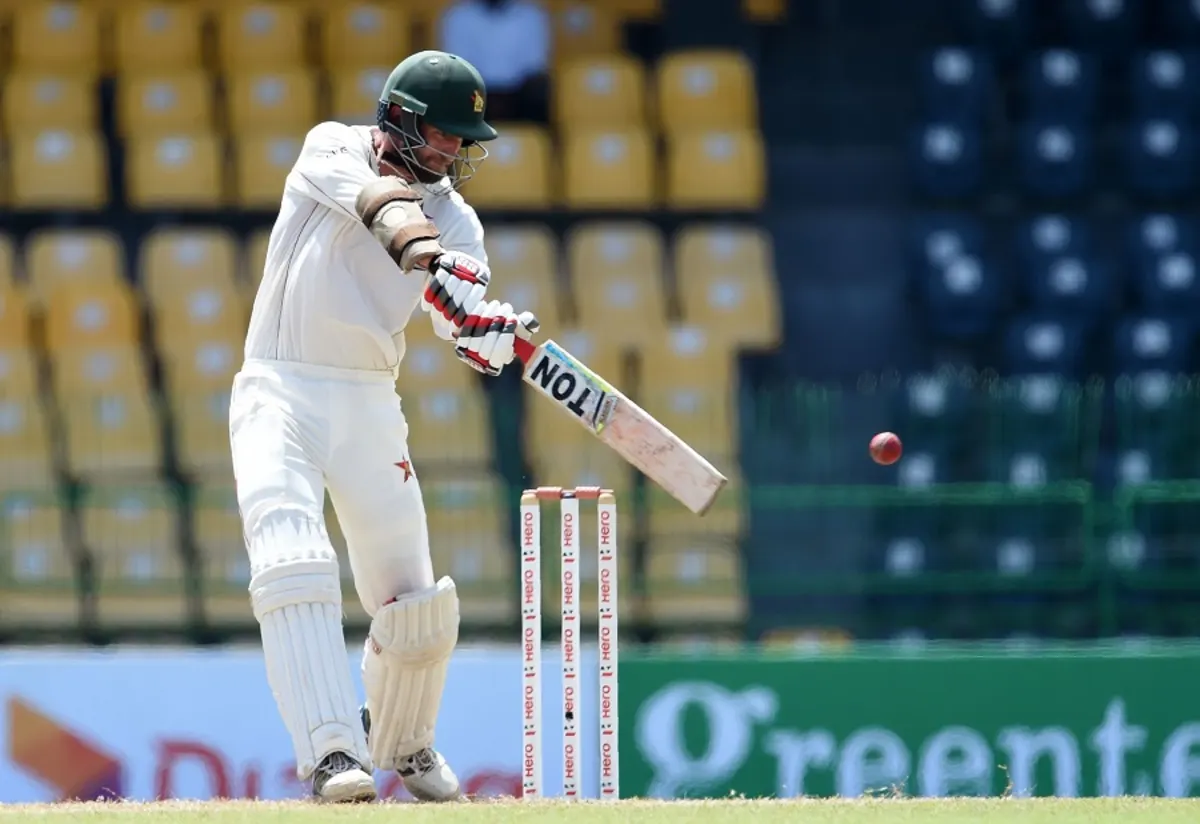
Third-Oldest Batter to Score a Test Double-Century
Ervine’s achievement placed him among a small group of the oldest players to score 200 or more runs in a Test innings.
Only two players were older than him when they reached the milestone. Eric Rowan of South Africa scored a double-century at the age of 42 years and six days in 1951. England’s Jack Hobbs achieved the feat at 41 years and 195 days in 1924.
The following players are among the oldest batters to score Test double-centuries:
| Player | Age When Scoring Double-Century | Year |
|---|---|---|
| Eric Rowan | 42 years, 6 days | 1951 |
| Jack Hobbs | 41 years, 195 days | 1924 |
| Craig Ervine | 41 years, 82 days | 2026 |
Ervine also became the first batter over the age of 40 to score a Test double-century since Graham Gooch achieved the milestone in 1994.
Historic Partnership with Wessly Madhevere
One of the most important parts of Zimbabwe’s innings was the partnership between Craig Ervine and Wessly Madhevere. The two batters added an unbeaten 208 runs for the sixth wicket.
Madhevere contributed his maiden Test century, making the partnership even more special for Zimbabwe. Their stand became Zimbabwe’s highest-ever sixth-wicket partnership in Test cricket.
A strong partnership helped Zimbabwe recover and build a large second-innings total. It also gave Madhevere an important personal milestone alongside Ervine’s record-breaking performance.
Zimbabwe Creates Another Important Test Record
Zimbabwe’s performance in the match was notable beyond Ervine’s double-century. The team scored 504 runs in its first innings and then reached 523/5 in the second innings.
This made Zimbabwe the first team to score more than 500 runs in both innings of a Test match. The achievement highlighted the team’s batting strength during the match against Afghanistan.
Although the contest ended in a draw, Zimbabwe’s two large innings and Ervine’s individual performance made it a memorable Test for the team.

What Craig Ervine’s Achievement Means for Zimbabwe Cricket
Craig Ervine’s double-century is an important moment for Zimbabwe cricket. It added his name to the list of the oldest players to score 200 runs in Test cricket and brought attention to the country’s batting achievements.
His partnership with Madhevere also showed the value of experience working alongside younger players. While Ervine provided stability and a major individual score, Madhevere used the opportunity to record his first Test century.
The match in Sharjah therefore produced several milestones for Zimbabwe, including a record partnership, two innings above 500 runs and the country’s first Test double-century since Andy Flower’s 2000 achievement.