


Ethics in Journalism: Importance, Challenges and Need for Responsible Media

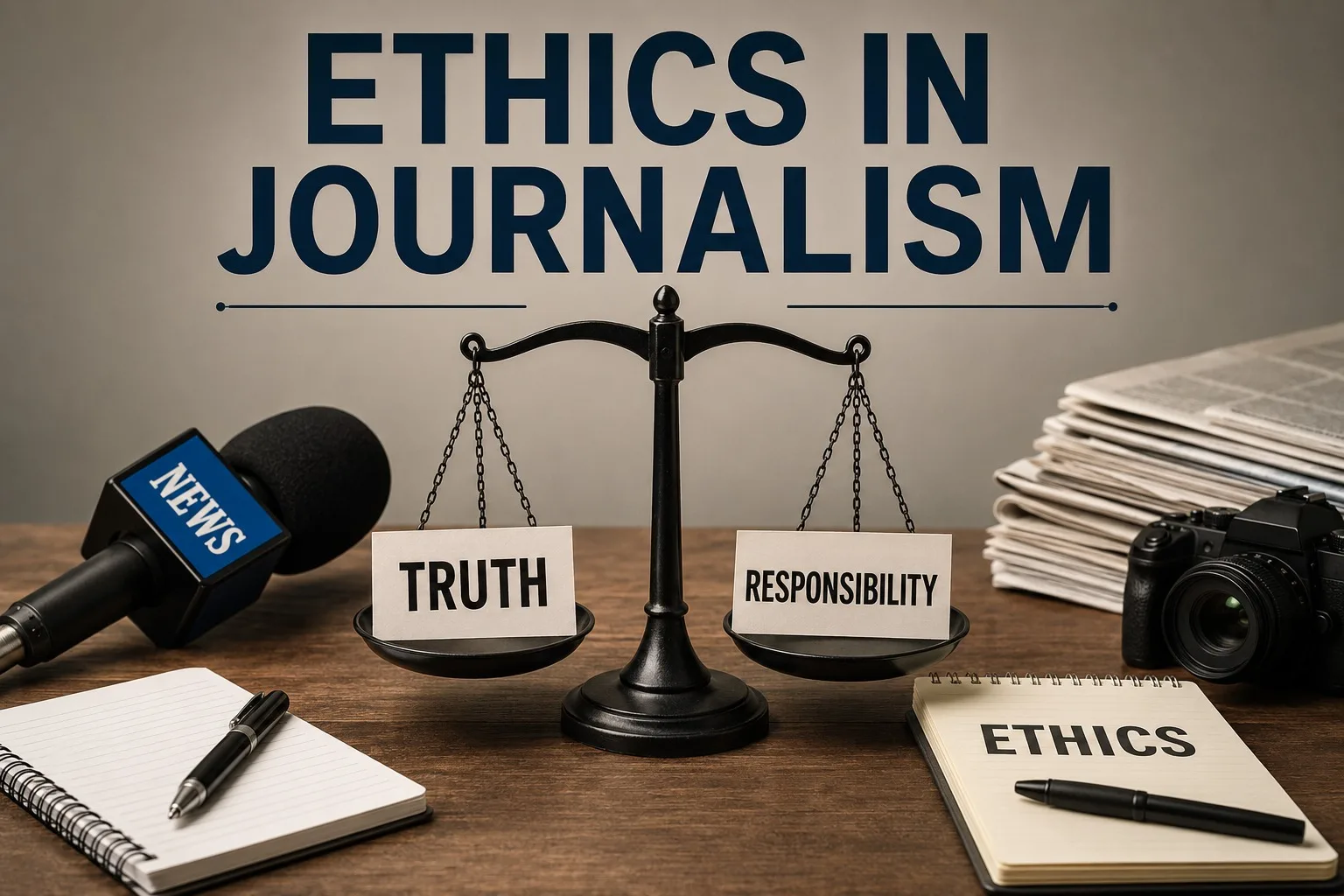
Ethics in Journalism is one of the most important pillars of a healthy democracy. Journalism is not only about reporting news; it is also about informing people with truth, fairness, and responsibility. Ethical journalism helps citizens understand what is happening in society and enables them to make informed decisions. When journalism loses its ethics, society suffers because false information, bias, and sensationalism can mislead people.
Thank you for reading this post, don't forget to subscribe!Mahatma Gandhi strongly believed in responsible journalism. He said that the main purpose of journalism should be service to society. According to him, newspapers and media are powerful tools. If this power is used without responsibility, it can harm society just like uncontrolled floodwater destroys crops and villages. Gandhi supported freedom of speech and freedom of the press, but he also believed that media must act responsibly.
What is Ethics in Journalism?
Ethics in journalism refers to the moral principles and professional standards that guide journalists while collecting, writing, and publishing news. These ethics help journalists maintain honesty, fairness, and accountability.
Journalistic ethics include:
- Reporting facts accurately
- Avoiding false or misleading information
- Respecting privacy
- Staying independent from political or business influence
- Being accountable for mistakes
- Avoiding sensationalism
These principles ensure that media serves the public interest instead of personal or commercial interests.
Importance of Journalism
Journalism plays a major role in modern society. It connects people with information and creates awareness about important issues.
Voice of the Voiceless
Journalism gives a voice to people who are ignored or unheard. Poor communities, marginalized groups, and ordinary citizens often depend on media to highlight their problems. Through responsible reporting, journalists can bring public attention to social injustice.
Public Watchdog
Media is often called the fourth pillar of democracy because it monitors the actions of the government, institutions, and people in power. Investigative journalism helps expose corruption, misuse of authority, and illegal activities. This keeps powerful institutions accountable.
Strengthening Democracy
A democracy cannot function properly without free and independent media. Newspapers, radio, television, and digital platforms help citizens stay informed about policies, elections, laws, and public debates. A strong media system strengthens democratic values.
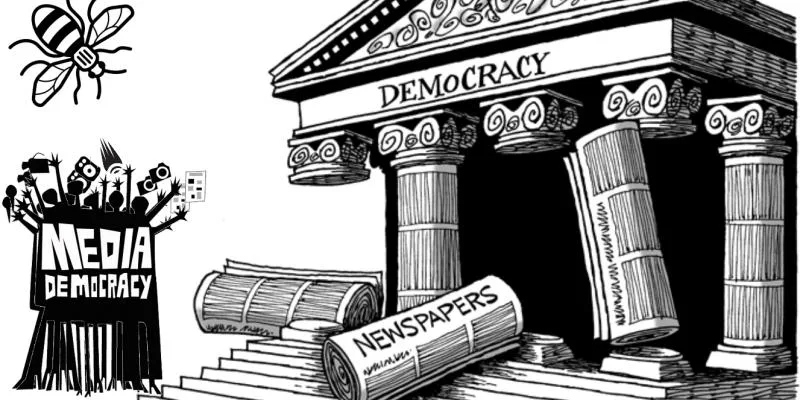
Shaping Public Opinion
Media influences how people think about social, political, and economic issues. News coverage can shape public perception, start discussions, and influence decision-making. Because of this power, journalism must remain ethical and fair.
Napoleon Bonaparte once said that four hostile newspapers can be more dangerous than a thousand weapons. This shows how powerful media can be.
Features of Responsible Journalism
Responsible journalism follows strong ethical values and professional discipline.
Transparency and Accountability
Trust is earned when media organizations are transparent about their reporting process. Journalists should clearly mention sources whenever possible and correct mistakes quickly. Accountability improves credibility.
Truth and Accuracy
The first duty of a journalist is to report the truth. News should be based on facts, evidence, and proper verification. Publishing unverified information can create panic and confusion.
Fairness and Balance
Responsible journalism presents multiple viewpoints. News reports should not favor one side unfairly. Balanced reporting helps readers understand complex issues better.
Self-Regulation
Journalists are expected to regulate themselves by following ethical codes. Self-regulation means media houses should maintain discipline without constant government control. This protects press freedom while encouraging responsibility.
Problems in Indian Journalism
In recent years, concerns about the decline of ethics in journalism have increased in India. Several unethical practices have affected public trust.
Paid News
Paid news happens when media organizations publish advertisements or sponsored content as news without informing the audience. This misleads readers and damages credibility.
Fake News
Fake news is false information presented as real news. Social media has increased the spread of fake news. Such misinformation can create fear, hatred, and confusion.
Sensationalism
Some media outlets exaggerate stories to attract viewers and increase profits. Sensational headlines and dramatic reporting often focus more on entertainment than truth.
Misleading Headlines
Sometimes headlines are designed to shock readers even when the actual news is different. This creates misunderstanding and spreads confusion.
Breach of Privacy
Media sometimes invades personal privacy for higher ratings. Reporting personal details without public interest is unethical.
Biased Reporting in Media
Biased reporting is another serious issue. Some news channels or newspapers openly support political groups, business interests, or ideologies. This affects fair reporting.
Examples of biased reporting include:
- Showing only one side of a story
- Running media trials before court decisions
- Manipulating facts
- Promoting propaganda
- Ignoring important facts
When media becomes biased, public trust decreases.
Misuse of Press Freedom
Freedom of the press is essential in a democracy. However, freedom does not mean absence of responsibility. Rights and responsibilities go together.

Some critics believe certain media outlets misuse press freedom by regularly violating ethical standards. This has increased demands for stricter regulation.
India supports press freedom and generally prefers self-regulation. However, growing ethical violations have raised questions about whether existing systems are enough.
TRP Manipulation
TRP stands for Television Rating Point. It measures how many people watch a TV channel and for how long. Advertisers use TRP data to decide where to place advertisements.
There have been allegations that some TV channels manipulated TRP data to appear more popular. Such manipulation is unethical because it gives unfair commercial advantages and damages trust in the system.
Lessons from the United States
The United States also faced serious media ethics problems in the past.
Yellow Journalism
In the late 19th century, many newspapers in America used sensational crime stories, exaggerated headlines, and dramatic illustrations to attract readers. This style became known as yellow journalism.
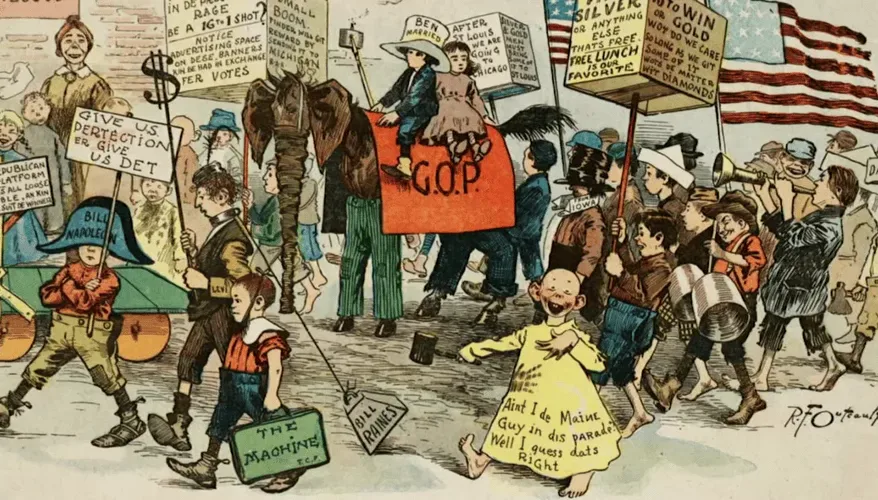
Yellow journalism focused more on shocking readers than on facts. It polluted public discussion and influenced public opinion negatively.
Reforms in Journalism
To improve standards, journalism reforms began in the early 20th century. Media professionals developed ethical codes to improve reporting quality.
In 1922, the American Society of Newspaper Editors (ASNE) introduced ethical guidelines called the Canons of Journalism. These principles were later revised.
Important principles included:
- Responsibility
- Freedom of Press
- Independence
- Truth and Accuracy
- Fairness
- Impartiality
These standards helped professionalize journalism.
Hutchins Commission
The Hutchins Commission studied media ownership and press freedom. It concluded that freedom of the press is important, but media also has a moral duty toward society.
The commission emphasized that journalism should serve public welfare, not just business profits.
Regulatory Bodies in India
India has multiple institutions to maintain standards in journalism.
Press Council of India (PCI)
Press Council of India is a statutory body created by Parliament. It acts as a watchdog for print media.

Its main objectives are:
- Protect freedom of the press
- Improve quality of journalism
- Encourage ethical standards
However, PCI has limited power. It can warn, criticize, or ask newspapers to issue apologies, but it cannot impose strong punishments.
News Broadcasting Standards Authority (NBSA)
News Broadcasting Standards Authority oversees private TV news channels.
It has created a code of ethics for member channels. It hears complaints related to ethical violations and can impose fines.
Cable Television Networks Act, 1995
The Cable Television Networks (Regulation) Act, 1995 regulates television broadcasting in India. Under this law, channels must follow program and advertising codes.
The Ministry of Information and Broadcasting can take action against channels violating these rules.
Problems in Existing Regulation
Despite regulations, unethical journalism continues.
Weak Enforcement
Many regulatory bodies lack strong punishment powers. This reduces their effectiveness.
Lack of Self-Reflection
Some senior journalists and editors have expressed concern over falling ethical standards. They believe media organizations need serious introspection.
Commercial Pressure
Competition for profit, advertisements, and audience attention often pushes media toward unethical practices.
When profit becomes the main goal, ethical values suffer.
Way Forward for Ethical Journalism
Improving ethics in journalism requires effort from journalists, media organizations, regulators, and society.
Reform Discussions
Professional organizations such as the Editors Guild of India and regulatory bodies should lead discussions on media reforms and stronger ethical systems.
Stronger Accountability
Media organizations must be accountable to the public. Mistakes should be corrected openly. Transparency can rebuild trust.
Responsible Freedom
Press freedom must be protected, but it should be used responsibly. Freedom without responsibility can harm democracy.
Better Training
Journalists should receive regular training in ethics, fact-checking, and responsible reporting.
Strict Ethical Standards
Media houses must follow ethical codes seriously. Truth, fairness, and public service should always come before profits.
Final Thoughts
Ethics in Journalism is essential for protecting democracy and public trust. Journalism has immense power to inform, educate, and influence society. When used responsibly, it strengthens democracy and empowers citizens. But when ethics are ignored, media can spread misinformation, division, and distrust.
The future of journalism depends on restoring credibility through honesty, fairness, accountability, and responsible reporting. Ethical journalism is not just beneficial for media it is necessary for society.
FAQs
1. What is ethics in journalism?
Ethics in journalism means moral principles that guide journalists to report truthfully, fairly, and responsibly.
2. Why is journalism important in democracy?
Journalism informs citizens, exposes corruption, and helps maintain accountability in democratic systems.
3. What is fake news?
Fake news is false or misleading information presented as real news.
4. What is yellow journalism?
Yellow journalism is sensational reporting that focuses on shocking stories rather than facts.
5. What is the role of the Press Council of India?
The Press Council of India protects press freedom and promotes ethical journalism standards.