

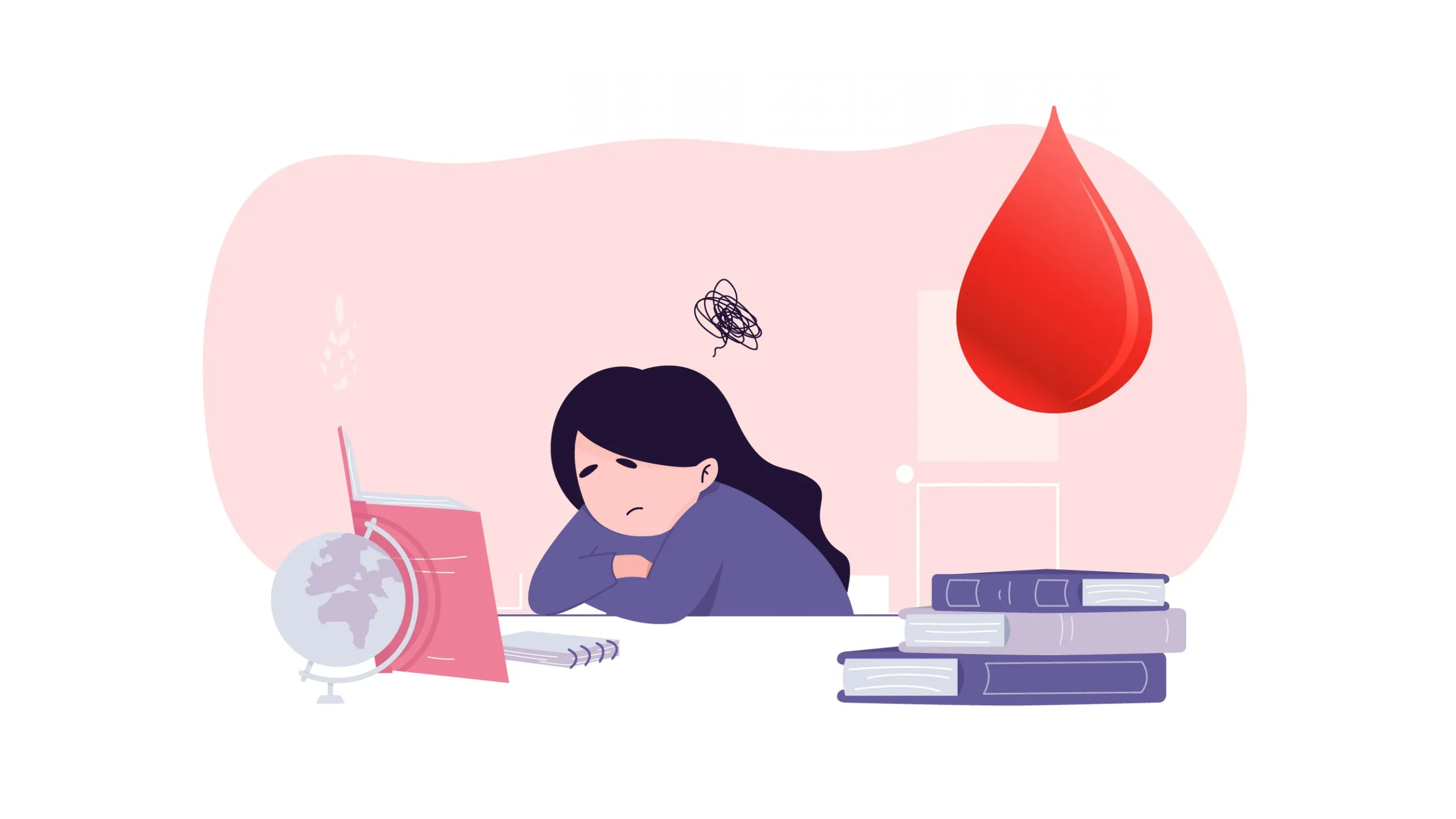
Anaemia Mukt Bharat Abhiyaan 2026

Anaemia Mukt Bharat Abhiyaan has been updated with new guidelines to improve health outcomes across India. The revised framework was released in New Delhi by the Ministry of Health and Family Welfare on 29 June 2026. This updated approach focuses on preventing and managing anaemia through better nutrition, early detection, and continuous monitoring.
Thank you for reading this post, don't forget to subscribe!The programme reflects the growing importance of preventive healthcare and digital systems in India’s health sector.
What is Anaemia and Why It Matters
Anaemia is a condition where the body does not have enough healthy red blood cells or haemoglobin. This can lead to weakness, fatigue, and other health issues.
It is often caused by iron deficiency, lack of vitamins like B12 and folate, or other health conditions. In India, anaemia is a common problem, especially among women and children.
Addressing anaemia is important because it affects overall health, productivity, and development, particularly in growing children and expecting mothers.

Updated 7x7x7 Strategy
The Anaemia Mukt Bharat Abhiyaan now follows a new 7x7x7 strategy. This means the programme focuses on seven target groups, seven key interventions, and seven systems for delivery and monitoring.
A new addition is the inclusion of low birth weight infants aged 0-6 months as a priority group. This step highlights the importance of early care in a child’s life.
Another key addition is the “Eating Right” approach, which encourages people to follow a balanced and nutritious diet.
Focus on Nutrition and Healthy Diet
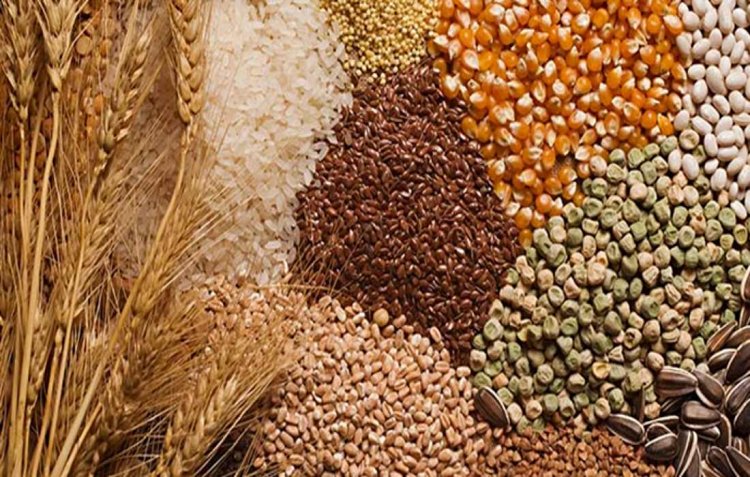
Nutrition plays a major role in preventing anaemia. The programme promotes the regular intake of iron-rich foods along with a balanced diet.
Foods like green vegetables, pulses, fruits, and fortified items are encouraged. Awareness campaigns are also being used to educate people about healthy eating habits.
This focus on diet connects with current trends where lifestyle and nutrition are becoming central to health discussions.
Improved Service Delivery Model
The service delivery system has been upgraded from the earlier T3 approach to a new T4 model. The T4 approach stands for Test, Treat, Talk, and Track.
This means that after testing and treatment, patients are also guided and monitored regularly. The addition of “Track” ensures follow-up and helps in improving long-term outcomes.
This change shows a shift towards more continuous and patient-focused healthcare services.
Coverage of Different Population Groups
The programme covers a wide range of groups, including pregnant women, lactating mothers, children, and adolescents. These groups are more vulnerable to anaemia and need focused attention.
Including infants in the programme is a significant step, as early care can prevent long-term health issues.
This life-cycle approach ensures that people receive care at every stage of life.
Digital Monitoring and Health Technology
A major update in the Anaemia Mukt Bharat Abhiyaan is the use of digital platforms for monitoring. Systems like U-WIN and Rashtriya Bal Swasthya Karyakram are being integrated into a unified platform.
This digital system helps track patient data, treatment progress, and service delivery in real time. It improves efficiency and ensures better coordination between health workers.
Digital health solutions are becoming increasingly important in managing large-scale public health programmes.
Treatment and Medical Support
For people with severe anaemia, the programme includes advanced treatment options. In cases where oral medicines are not effective, intravenous iron therapy is recommended.
Medicines like Ferric Carboxymaltose and Iron Sucrose are used in hospitals for faster recovery.
This ensures that patients receive timely and effective treatment based on their condition.
Growing Importance of Preventive Healthcare
The updated Anaemia Mukt Bharat Abhiyaan reflects a broader shift towards preventive healthcare in India. Instead of only treating diseases, the focus is now on preventing them through awareness, nutrition, and early care.
With increasing attention on health and wellness, such programmes play a key role in improving quality of life.