Mission Sudarshan Chakra Drone Defence: India’s New Shield Against Emerging Aerial Threats

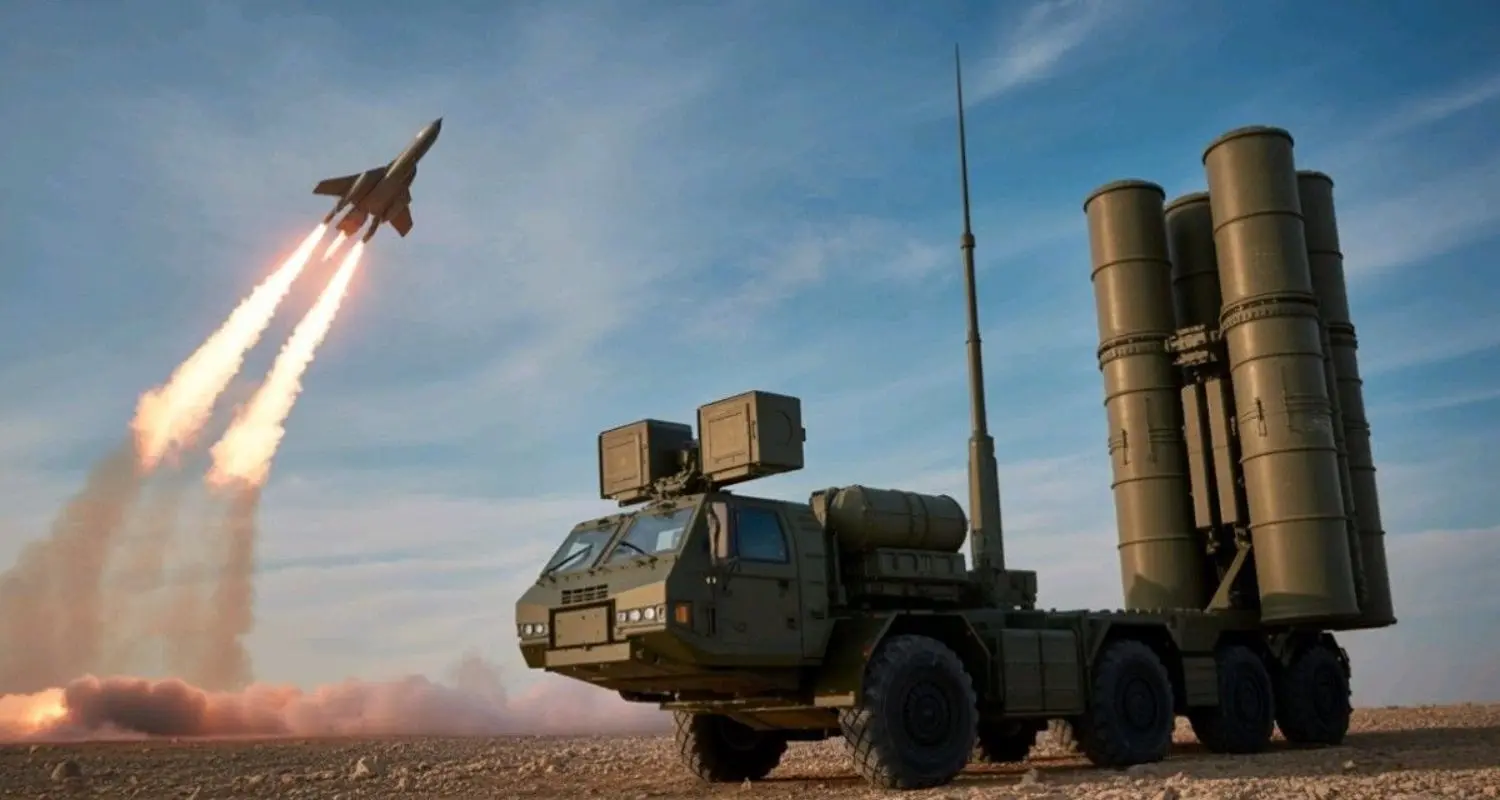
Mission Sudarshan Chakra Drone Defence marks a major step in India’s effort to protect its skies in an age where warfare is rapidly changing. With the growing use of unmanned aerial vehicles across the world, India has launched this ambitious national programme to build a strong, multi-layered air defence system. The mission focuses on countering modern aerial threats, especially hostile drones, while also strengthening protection against aircraft and missiles. It reflects a clear shift in India’s defence planning, shaped by new security challenges along sensitive borders and strategic locations.
Thank you for reading this post, don't forget to subscribe!Mission Sudarshan Chakra Drone Defence and the Changing Nature of Aerial Threats
In recent years, drones have become one of the most disruptive tools in modern conflict. They are relatively inexpensive, easy to deploy, and difficult to detect with traditional air defence systems. Across the globe, drones have been used for surveillance, smuggling, targeting military positions, and even carrying explosives. Their growing role in conflicts has shown how non-traditional threats can cause serious damage without the use of large weapons platforms.
India has also faced increasing drone-related challenges. Security agencies have reported frequent incidents of drones being used for cross-border surveillance and illegal activities. Attempts to exploit drones during military operations and lessons from global conflicts have highlighted how vulnerable borders and critical infrastructure can be if such threats are not addressed. These developments made it clear that conventional air defence alone is no longer sufficient.
Vision Behind Mission Sudarshan Chakra Drone Defence
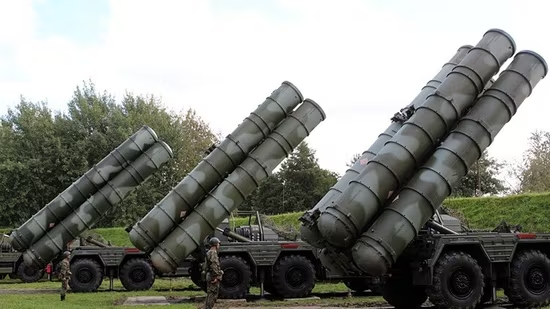
Mission Sudarshan Chakra has been designed to respond to this evolving threat environment. The core idea is to create a comprehensive air defence shield that works in layers. Instead of relying on a single system, the mission aims to combine multiple technologies and response mechanisms that can detect, track, and neutralise different types of aerial threats.
The programme has a long-term outlook, with a target timeline extending to 2035. This allows room for continuous upgrades and the inclusion of new technologies as threats evolve. The focus is not only on defending against drones but also on strengthening protection against fighter aircraft and missile attacks, ensuring that India’s airspace remains secure under varied scenarios.
Strengthening Existing Air Defence Systems Through Mission Sudarshan Chakra Drone Defence
Mission Sudarshan Chakra does not operate in isolation. It is meant to complement India’s existing air defence infrastructure, including the Integrated Air Command and Control System. By adding new layers focused on low-flying and small targets, the mission fills critical gaps that older systems were not designed to handle.
Traditional air defence systems are highly effective against aircraft and large missiles but often struggle with small, slow-moving drones that fly at low altitudes. Sudarshan Chakra addresses this weakness by integrating specialised sensors and interception tools tailored for such threats. This approach ensures seamless coordination between long-range detection systems and short-range defence units.
Joint Counter Unmanned Aerial System Grid
A key pillar supporting Mission Sudarshan Chakra is the development of a Joint Counter Unmanned Aerial System grid by the Indian Army, Navy, and Air Force. This grid is focused entirely on countering unmanned aerial threats. It brings together sensors, command centres, and response units from all three services into a single coordinated network.
The Joint Air Defence Centres will play a central role in this setup. These centres will allow real-time sharing of data, faster decision-making, and coordinated action when a drone threat is detected. Whether the threat emerges along land borders, coastal regions, or near vital installations, the grid will ensure a unified and swift response.
Soft-Kill and Hard-Kill Defence Measures
Mission Sudarshan Chakra adopts a balanced approach by using both soft-kill and hard-kill countermeasures. Soft-kill methods focus on disabling drones without physically destroying them. This includes electronic warfare techniques such as disrupting communication links between the drone and its operator or jamming satellite navigation signals. These methods are particularly useful in populated areas where physical destruction could cause collateral damage.
Hard-kill measures come into play when soft-kill options are not effective. These include directed energy weapons, laser-based systems, and point-defence guns designed to physically neutralise hostile drones. Such tools are critical for stopping drones carrying explosives or conducting direct attacks on sensitive targets. Together, these measures provide flexibility and effectiveness across different threat scenarios.
Role of Technology and Innovation
Technology is at the heart of Mission Sudarshan Chakra. Advanced radars, electro-optical sensors, artificial intelligence-driven threat analysis, and automated response systems are expected to form the backbone of the defence network. Continuous innovation will be essential, as drone technology itself is evolving rapidly.
The mission also encourages closer coordination between defence forces, research institutions, and industry. Developing indigenous solutions not only enhances security but also reduces dependence on external suppliers. Over time, this approach can strengthen India’s overall defence ecosystem and technological capabilities.
Strategic Impact on National Security
The launch of Mission Sudarshan Chakra sends a strong signal about India’s preparedness to deal with future conflicts. By acknowledging drones as high-impact asymmetric threats, the programme aligns defence planning with modern realities. A layered and integrated air defence shield reduces vulnerabilities and enhances deterrence against adversaries who may seek to exploit emerging technologies.
Beyond military benefits, the mission also protects civilian infrastructure such as airports, power plants, and communication hubs. As drones become more accessible, the risk to non-military targets increases. A robust counter-drone framework helps ensure safety and stability in both peace and conflict situations.
Looking Ahead
Mission Sudarshan Chakra represents a forward-looking approach to air defence. By combining long-term planning, joint operations, and advanced technology, India is building a system designed not just for today’s threats but for those that will emerge in the coming decades. As unmanned systems continue to shape the battlefield, this mission positions India to respond with confidence, coordination, and resilience.