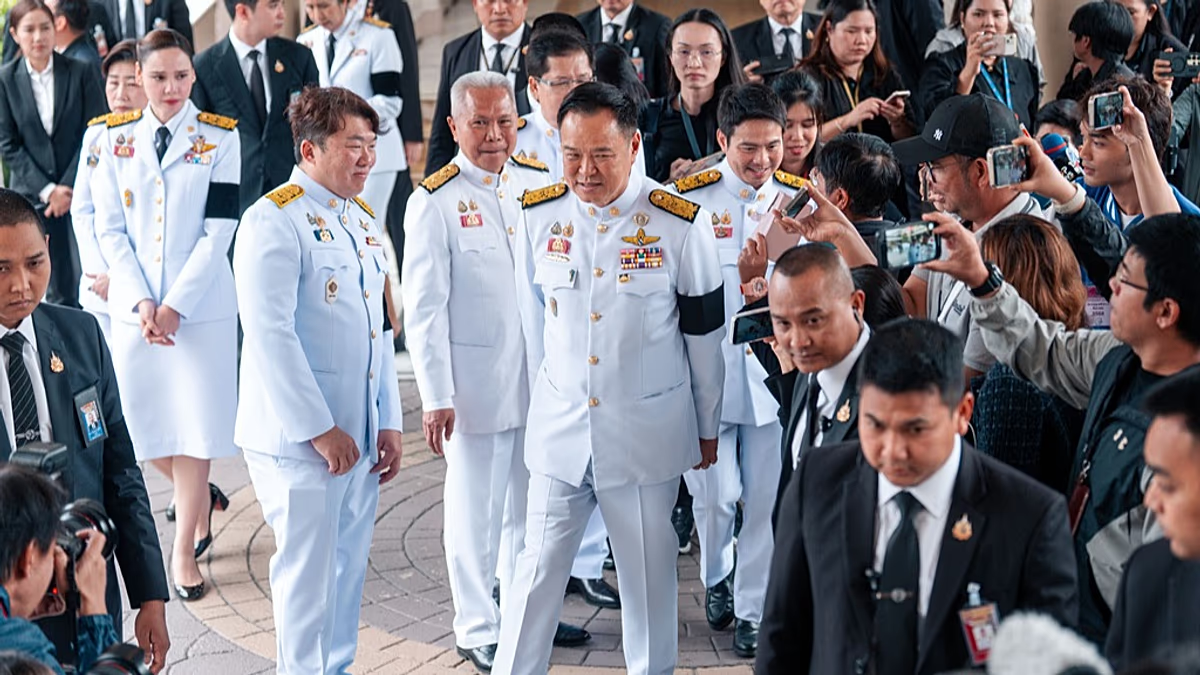
Thailand Parliament Dissolution After Just Three Months in Power

Thailand Parliament Dissolution has marked a fresh turning point in the country’s political journey, coming just three months after Prime Minister Anutin Charnvirakul took office. The move, confirmed through a royal decree, has cleared the path for a snap general election expected early next year. This sudden decision arrives at a moment when Thailand is facing internal political pressure along with rising security concerns near the Thailand–Cambodia border.
Thank you for reading this post, don't forget to subscribe!The early step caught many observers off guard, as there was a general belief that the House of Representatives would continue until at least the end of the year. Instead, the Thailand Parliament Dissolution has pushed the nation toward another nationwide vote, adding to the pattern of rapid leadership changes seen in recent years.
Thailand Parliament Dissolution Paves the Way for a New Voter
The announcement of the Thailand parliament dissolution was published in the Royal Gazette, the official platform for such decisions. According to the notice, fresh elections were needed to ensure smooth and effective governance. With the lower house now dissolved, Thailand’s election authorities are expected to begin preparations for polling in the coming weeks.
Under existing rules, elections must be organised within a fixed time frame after parliament is dissolved. This means Thai voters are likely to head to the polls between late January and early February. The schedule is earlier than many political groups had planned for, leading parties to quickly shift into campaign mode.
The sudden timeline has also created urgency for political alliances, candidate selections, and public messaging as parties compete to win public trust in a short period.
Anutin Charnvirakul’s Brief Time in Office
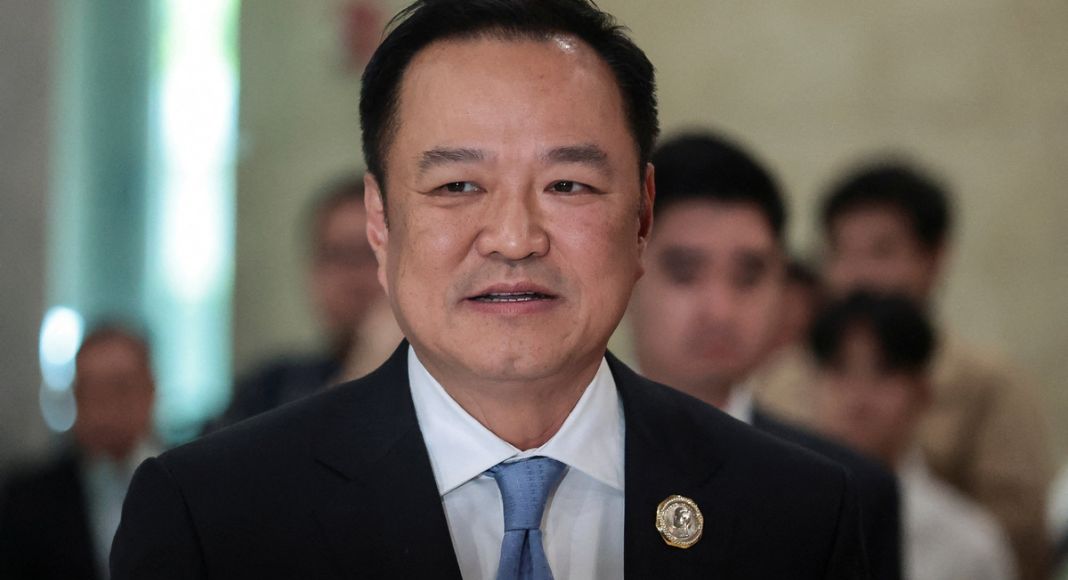
Anutin Charnvirakul, who leads the conservative Bhumjaithai Party, became prime minister in September after the previous leader was removed from office following a court ruling related to ethical issues. His rise to power came during a sensitive political moment, with divisions already present across party lines.
His government operated without a clear majority in parliament, relying on unstable support from coalition partners. This made passing laws and managing disagreements more difficult. From the beginning, Anutin had indicated that his role would be temporary and that he would eventually seek a fresh public mandate through elections.
That promise shaped expectations around his leadership, but the actual dissolution came much sooner than many had predicted.
Political Tensions and Border Security Concerns
The timing of the parliament’s dissolution also overlaps with serious security challenges along Thailand’s border with Cambodia. In recent weeks, violence in disputed border areas has reportedly led to several deaths and forced hundreds of thousands of people to leave their homes, mainly on the Thai side.
These developments added pressure on the government, which was already struggling with internal political disagreements. Managing border safety, civilian displacement, and diplomatic relations placed extra strain on a leadership that lacked strong parliamentary backing.
In a public message shared on social media, Anutin said his decision was aimed at returning power to the people, a phrase commonly used by Thai leaders when calling early elections. The statement signaled his intent to let voters decide the country’s next direction amid rising uncertainty.
Shifting Alliances Shape the Political Scene
Anutin’s political journey has included major shifts in alliances. He was once closely connected to the powerful Shinawatra political network, but later ended ties with the Pheu Thai Party. The break reportedly followed disagreements over how to handle tensions with Cambodia and other national priorities.
During his short tenure, Thailand also faced regional challenges linked to migration flows and security issues connected to criminal networks operating near its borders. These factors contributed to a fragile political environment, making stable governance difficult.
As parties now prepare for elections, these past alliances and conflicts are expected to influence campaign narratives and voter choices.
What Lies Ahead for Thailand
With parliament dissolved, Thailand enters a caretaker phase until a new government is formed. The upcoming election will be closely watched, both domestically and internationally, as the country seeks stability after repeated leadership changes.
For voters, the election represents another chance to shape Thailand’s political future during a time of social, economic, and security challenges. For political parties, it is a test of public confidence after months of uncertainty.
As the campaign period begins, attention will remain focused on how leaders address national unity, border security, and the everyday concerns of citizens. The outcome of the early election will play a key role in determining whether Thailand can move toward a more stable political chapter in the months ahead.