Gujarat Education Support Schemes 2025: Empowering Students Through Inclusive Learning Initiatives

The Gujarat Education Support Schemes 2025 mark a major leap in the state’s commitment to inclusive and quality education. The Gujarat government has intensified its focus on education with two major initiatives launched in March 2024 — the Namo Lakshmi Yojana and the Namo Saraswati Vigyan Sadhana Yojana. Both schemes are designed to provide financial assistance to students, particularly girls and those pursuing science, aligning with India’s long-term development vision of Viksit Bharat@2047.
Thank you for reading this post, don't forget to subscribe!Since their inception, these two landmark schemes have already impacted over 12 lakh students across Gujarat, with a total disbursement of more than ₹1,161 crore. The initiatives not only bridge educational inequalities but also foster a new generation of skilled, confident, and empowered youth who can drive the nation’s progress in the coming decades.
Namo Lakshmi Yojana: A Pillar of Gujarat Education Support Schemes 2025
The Namo Lakshmi Yojana is one of Gujarat’s flagship education initiatives designed to ensure that no girl discontinues her studies due to financial constraints. This forward-looking scheme covers girls studying in Classes 9 to 12 across schools affiliated with the Gujarat Secondary and Higher Secondary Education Board (GSHSEB) and the Central Board of Secondary Education (CBSE).
Each eligible student under this scheme receives Rs 50,000 over four years, providing consistent financial support throughout her secondary education. The scheme’s inclusivity is noteworthy girls already benefiting from other scholarships remain eligible, ensuring no deserving student is left behind.
To streamline operations, the Namo Lakshmi Portal has been launched, offering a transparent and efficient system for application, fund disbursement, and monitoring. So far, more than 10.49 lakh girls have benefited from the Namo Lakshmi Yojana, with total disbursements crossing Rs 1,000 crore.
This initiative is more than just financial assistance it’s an investment in gender equality and empowerment. By enabling young girls to complete their education, Gujarat is laying the foundation for women’s participation in higher education, employment, and leadership roles across sectors.
Namo Saraswati Vigyan Sadhana Yojana: Strengthening Science Education Through Gujarat Education Support Schemes 2025
The Namo Saraswati Vigyan Sadhana Yojana complements Gujarat’s broader education strategy by focusing on students pursuing the science stream in Classes 11 and 12. The scheme encourages academic excellence and cultivates a scientific mindset among the youth.
Eligibility requires students to have secured at least 50 percent marks in Class 10 and to be enrolled in government, grant-in-aid, or self-financed recognised schools. Beneficiaries receive Rs 25,000 over two years, enabling them to access better educational resources and pursue their academic goals without financial strain.
Over 1.5 lakh students have already benefited under this initiative, with total disbursements surpassing Rs 161 crore. The scheme is efficiently managed through the Namo Saraswati Portal, ensuring transparency, timely payments, and minimal administrative hurdles.
Beyond financial aid, the program aims to increase enrolment in the science stream crucial for building a skilled workforce in STEM fields. By nurturing interest in science and innovation at the school level, the scheme plays a vital role in strengthening India’s knowledge economy.
National Vision and Gujarat Education Support Schemes 2025: Preparing for Viksit Bharat@2047
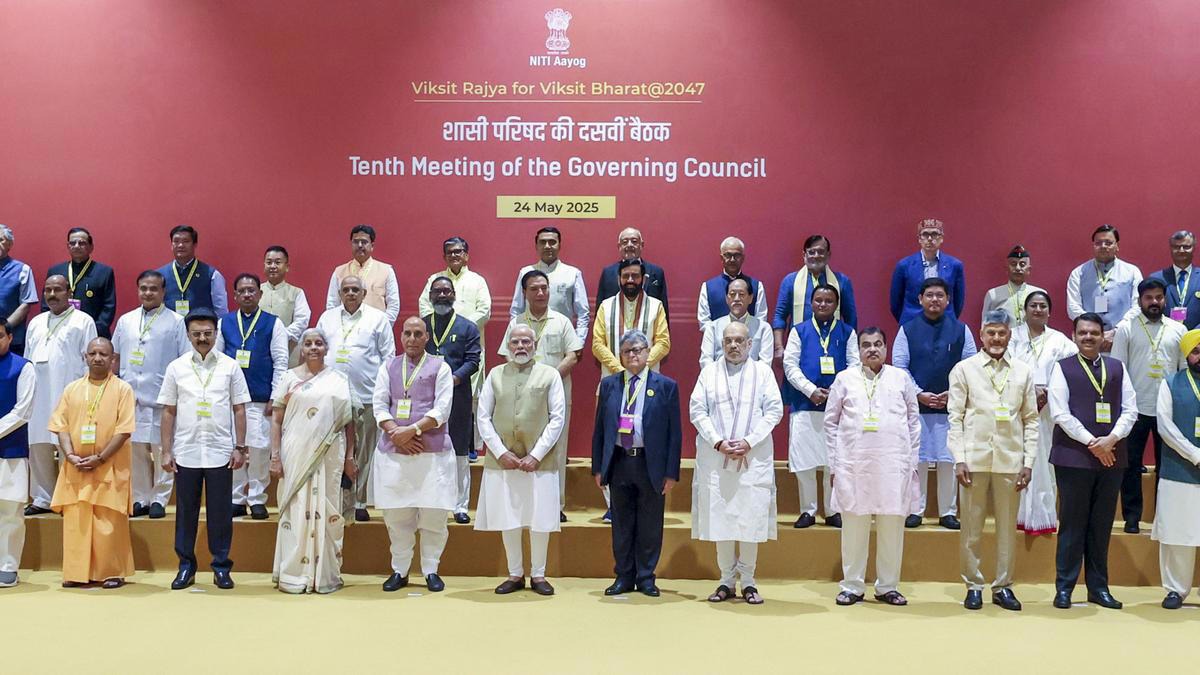
Both schemes Namo Lakshmi Yojana and Namo Saraswati Vigyan Sadhana Yojana are in line with Prime Minister Narendra Modi’s vision of Viksit Bharat@2047, which emphasizes inclusive development, gender parity, and skill-oriented education.
Under the leadership of Chief Minister Bhupendra Patel, Gujarat has positioned education as a cornerstone of its growth strategy during the Amrit Kaal period. These schemes demonstrate the state’s proactive approach in translating national aspirations into grassroots action.
By targeting girl students and science learners, the Gujarat government addresses two critical aspects of national development gender equity and scientific progress. These programs ensure that education becomes not just a right, but also a powerful tool for social transformation and economic empowerment.
Implementation and Impact: Technology-Driven Transparency
A standout feature of both schemes is the adoption of digital governance. The Namo Lakshmi and Namo Saraswati portals have streamlined every step from registration to fund transfer making the process accessible and corruption-free.
This tech-driven approach has had measurable impacts:
- Higher retention rates among girls and science students.
- Reduced dropout rates due to economic hardships.
- Improved enrolment in higher secondary education, particularly in rural and semi-urban areas.
- Enhanced motivation among students to pursue higher education and careers in science, technology, and innovation.
Parents and educators across the state have lauded these initiatives for reducing the financial burden of schooling and inspiring confidence in government-led educational reforms.
Building a Future-Ready Generation
The Gujarat Education Support Schemes 2025 are not isolated welfare programs they represent a forward-thinking model of social investment in human capital. By bridging educational gaps and promoting equality, Gujarat is shaping a future-ready, inclusive society capable of leading India’s development story in the coming decades.
As the state continues to strengthen its education ecosystem, the long-term outcomes are expected to be transformative a more skilled workforce, enhanced innovation capacity, and greater gender parity in education and employment.
Through these schemes, Gujarat has reaffirmed that empowering students today means empowering the nation tomorrow. The combined impact of financial assistance, digital transparency, and policy foresight underscores the government’s unwavering commitment to quality education for all.