Sarojini Naidu Biography: Life, Achievements & Freedom Struggle

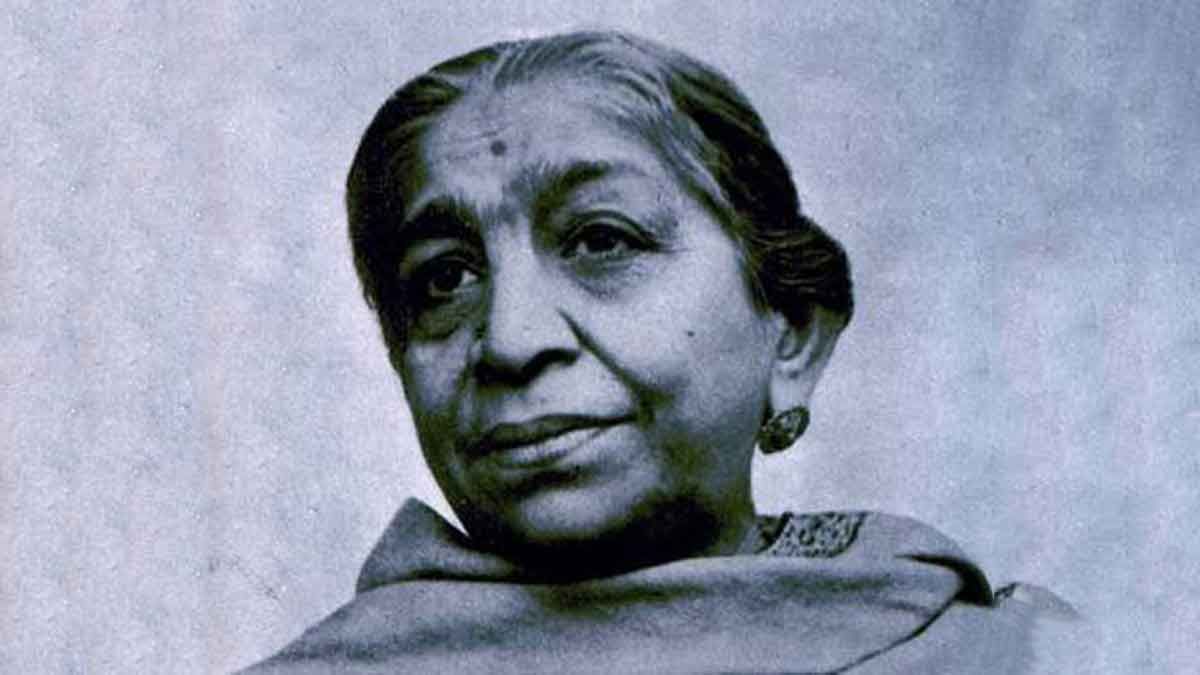
Sarojini Naidu Biography tells the inspiring story of one of India’s greatest women leaders, poets, and freedom fighters. Sarojini Naidu was not only a powerful voice in Indian politics but also a gifted poet whose words touched millions of hearts. Popularly known as the “Nightingale of India,” she played an important role in India’s freedom struggle and worked tirelessly for women’s rights, social reform, and national unity.
Sarojini Naidu’s life is a beautiful blend of poetry, patriotism, courage, and leadership. From a young child who loved writing poems to becoming the first woman Governor of an Indian state, her journey continues to inspire generations.

Who Was Sarojini Naidu?
Sarojini Naidu was an Indian political activist, freedom fighter, feminist leader, and poet. She was born on 13 February 1879 in Hyderabad, India, and passed away on 2 March 1949 in Lucknow due to a cardiac arrest.
She earned the title “Nightingale of India” because of her melodious poetry and powerful speeches. Sarojini Naidu was admired not only for her literary talent but also for her fearless role in India’s struggle against British rule.
She became:
- The first Indian woman President of the Indian National Congress
- The first woman Governor of Uttar Pradesh after India’s independence
Her life showed that women could lead the nation with strength, wisdom, and grace.
Sarojini Naidu Birth Anniversary and National Women’s Day
India celebrates Sarojini Naidu’s birth anniversary on 13 February every year. This day is also observed as National Women’s Day in India to honour her contribution toward women’s empowerment and equality.
In 2024, India celebrated her 145th birth anniversary, remembering her as a poet, leader, and symbol of women’s strength. Great leaders like Mahatma Gandhi and Jawaharlal Nehru deeply respected her courage, intelligence, and dedication to the nation.
Sarojini Naidu Death and Legacy
Sarojini Naidu passed away on 2 March 1949 at 3:30 p.m. in Lucknow while serving as the Governor of Uttar Pradesh. Even in death, she remained a symbol of service and sacrifice.
Her life was guided by her belief in freedom, justice, and equality. One of her famous thoughts reflects her spirit:“I shall not quit the cause of freedom as long as I have life.”
Her childhood home in Nampally, Hyderabad, was later gifted to the University of Hyderabad and named “The Golden Threshold,” after her first poetry book. The university also named its arts institution the Sarojini Naidu School of Arts and Communication in her honour.
Her legacy lives on through educational institutions, poems, speeches, and the inspiration she gave to Indian women.
Sarojini Naidu History – Early Life and Background
Sarojini Naidu Biography begins with her birth into a highly educated and progressive family.
She was born as Sarojini Chattopadhyay. Her father, Dr. Aghore Nath Chattopadhyay, was a scientist, philosopher, and educationist. He founded Nizam College in Hyderabad and was also involved in social and political activities.
Her mother, Varada Sundari Devi, was a Bengali poetess who greatly influenced Sarojini’s love for poetry.
Sarojini grew up in an environment full of learning, literature, and strong ideas. This shaped her mind and helped her develop confidence from a very young age.
A Brilliant Child with a Love for Poetry
Sarojini Naidu was an exceptionally intelligent child. She was fluent in many languages, including:
- English
- Bengali
- Urdu
- Persian
- Telugu
She performed extremely well in her studies and passed her Madras University matriculation exam with top marks.
Although her father wanted her to study science or mathematics, Sarojini’s heart belonged to poetry and writing. At a very young age, she wrote a long English poem called “The Lady of the Lake”, which showed her extraordinary talent.
Education in England and Literary Growth
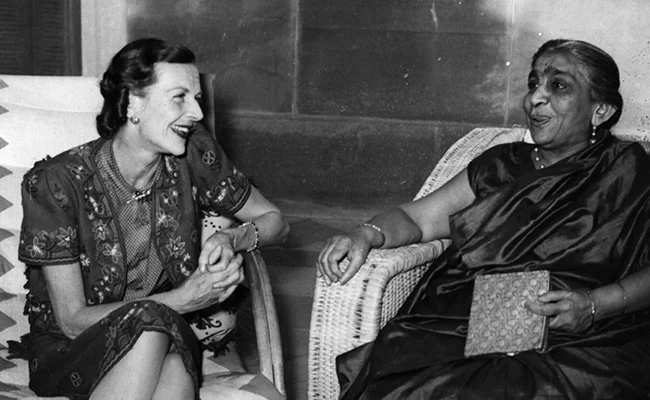
At the age of 16, Sarojini Naidu received a scholarship from the Nizam of Hyderabad to study in England. She studied at King’s College, London, and later at Cambridge University.
During her time in England, famous writers and scholars encouraged her to focus on Indian themes instead of Western ideas. This advice shaped her poetic style and made her work deeply Indian in spirit.
Her writing began to reflect:
- Indian culture
- Indian festivals
- Indian women
- Patriotism and freedom
Marriage and Personal Life
While studying in England, Sarojini Naidu fell in love with Govindarajulu Naidu, a South Indian doctor. Their marriage was bold and unusual for that time because it was an inter-caste marriage.
They got married in 1898 under the Brahmo Marriage Act. Despite social resistance, their marriage was happy and supportive.
They had four children:
- Jayasurya
- Padmaja
- Randheer
- Leilaman
Her daughter Padmaja Naidu later became a freedom fighter and Governor of West Bengal.
Sarojini Naidu as a Poet – Literary Achievements
Sarojini Naidu Biography is incomplete without mentioning her poetry. She was one of the finest poets of modern India.
Major Poetry Works
- The Golden Threshold (1905)
- The Bird of Time (1912)
- The Broken Wing (1917)
Her poems were known for:
- Musical rhythm
- Simple language
- Emotional depth
- Indian themes
Many of her poems were later turned into songs.
She also wrote essays and speeches, including “Words of Freedom,” which reflected her political and social thoughts.
Entry into the Indian Freedom Movement
Sarojini Naidu joined the Indian National Movement in 1905, after the Partition of Bengal deeply affected her.
She came under the guidance of leaders like:
- Gopal Krishna Gokhale
- Mahatma Gandhi
Under their influence, she decided to give up writing temporarily and dedicate her life to India’s freedom struggle.
Sarojini Naidu Role in Indian National Movement
Sarojini Naidu became one of the most powerful women voices in the freedom struggle.
She:
- Traveled across India giving speeches
- Spoke on nationalism, women’s rights, and unity
- Inspired thousands of people
She worked closely with leaders like Jawaharlal Nehru, Muhammad Ali Jinnah, and Annie Besant.
In 1917, she helped establish the Women’s India Association (WIA) to promote women’s education and rights.
Sarojini Naidu as a Freedom Fighter
Sarojini Naidu actively participated in:
- Non-Cooperation Movement
- Civil Disobedience Movement
- Quit India Movement
- Salt Satyagraha
When Mahatma Gandhi was arrested during the Dandi March, Sarojini Naidu led the Dharasana Satyagraha in 1930.
She was imprisoned several times in:
- 1930
- 1932
- 1942
Her longest imprisonment lasted 21 months.
International Role and Global Influence
Sarojini Naidu represented India at many international platforms. She travelled to:
- England
- United States
- Africa
- Europe
She explained India’s non-violent struggle to the world and helped make Gandhi a global symbol of peace.
President of Indian National Congress
In 1925, Sarojini Naidu became the first Indian woman President of the Indian National Congress. This was a historic moment for Indian women and leadership.
First Woman Governor of India
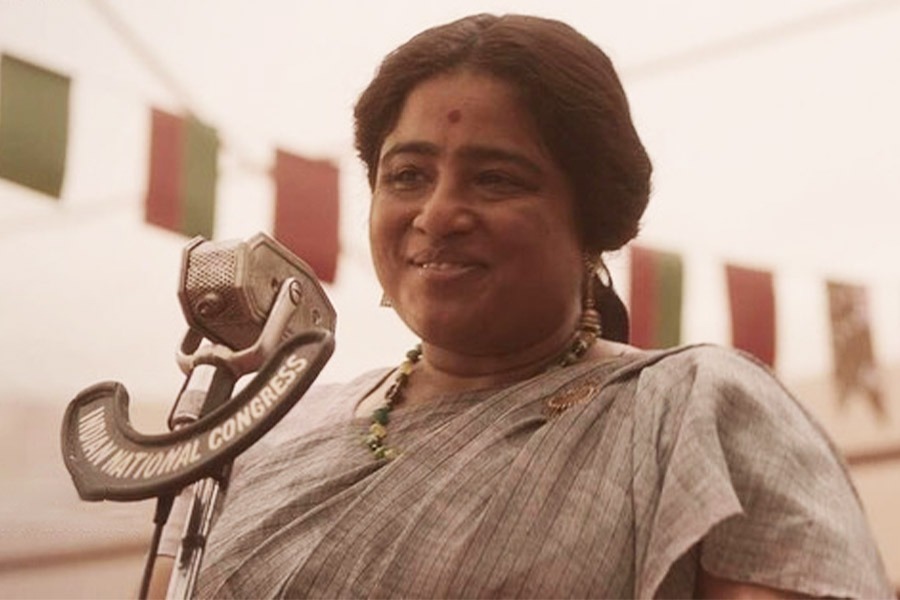
After India’s independence in 1947, Sarojini Naidu was appointed the first woman Governor of Uttar Pradesh.
She served in this role until her death in 1949 and proved that women could handle high administrative responsibilities with excellence.
Sarojini Naidu Achievements Summary
- First woman President of INC
- First woman Governor of Uttar Pradesh
- Leading freedom fighter
- Renowned Indian poet
- Strong advocate for women’s rights
- International representative of India
Sarojini Naidu Awards and Honours
While there is no national award named after her, many institutions honour her legacy, including:
- Dr. Sarojini Naidu International Award for Working Women
- Universities, colleges, hospitals, and schools named after her
Important Facts about Sarojini Naidu
- Started writing at age 12
- Studied in London and Cambridge
- Married at age 19
- Joined freedom movement in 1905
- Founded Women’s India Association
- Called “Mickey Mouse” affectionately by Mahatma Gandhi
- Died in 1949 while serving the nation
Related Articles:
| Lata Mangeshkar: Biography, Life, Career, Death Anniversary, Legacy and Achievements |
| Ratan Tata: The Man Who Made India Proud |
| Hiuen-Tsang: The Legendary Scholar Who Explored Kamarupa |
Conclusion
Sarojini Naidu Biography is the story of courage, creativity, and commitment. She proved that a woman could be a poet, a leader, a freedom fighter, and a nation builder all at once.
Her words, actions, and ideals continue to inspire India even today. Sarojini Naidu will forever remain the Nightingale of India, whose voice sang songs of freedom and hope.
FAQs on Sarojini Naidu
Q1. Who was Sarojini Naidu?
Sarojini Naidu was an Indian freedom fighter, poet, and political leader known as the “Nightingale of India.”
Q2. Why is Sarojini Naidu called the Nightingale of India?
She is called the Nightingale of India because of her beautiful poetry and powerful, melodious speeches.
Q3. When and where was Sarojini Naidu born?
Sarojini Naidu was born on 13 February 1879 in Hyderabad, India.
Q4. What was Sarojini Naidu’s role in India’s freedom struggle?
She actively took part in the Non-Cooperation Movement, Civil Disobedience Movement, and Quit India Movement.
Q5. Was Sarojini Naidu the first woman Governor of India?
Yes, she was the first woman Governor of Uttar Pradesh after India’s independence.
Q6. Which books were written by Sarojini Naidu?
Her famous books include The Golden Threshold, The Bird of Time, and The Broken Wing.
Q7. Why is 13 February celebrated as National Women’s Day?
13 February is celebrated as National Women’s Day in India to honor Sarojini Naidu’s birth anniversary.
Q8. When did Sarojini Naidu die?
Sarojini Naidu died on 2 March 1949 in Lucknow due to a heart attack.
Q9. Who was Sarojini Naidu’s husband?
Her husband was Govindarajulu Naidu, a doctor from South India.
Q10. What is Sarojini Naidu remembered for today?
She is remembered for her poetry, leadership in the freedom movement, and her contribution to women’s empowerment.