

Pedro Alliana Becomes Paraguay President

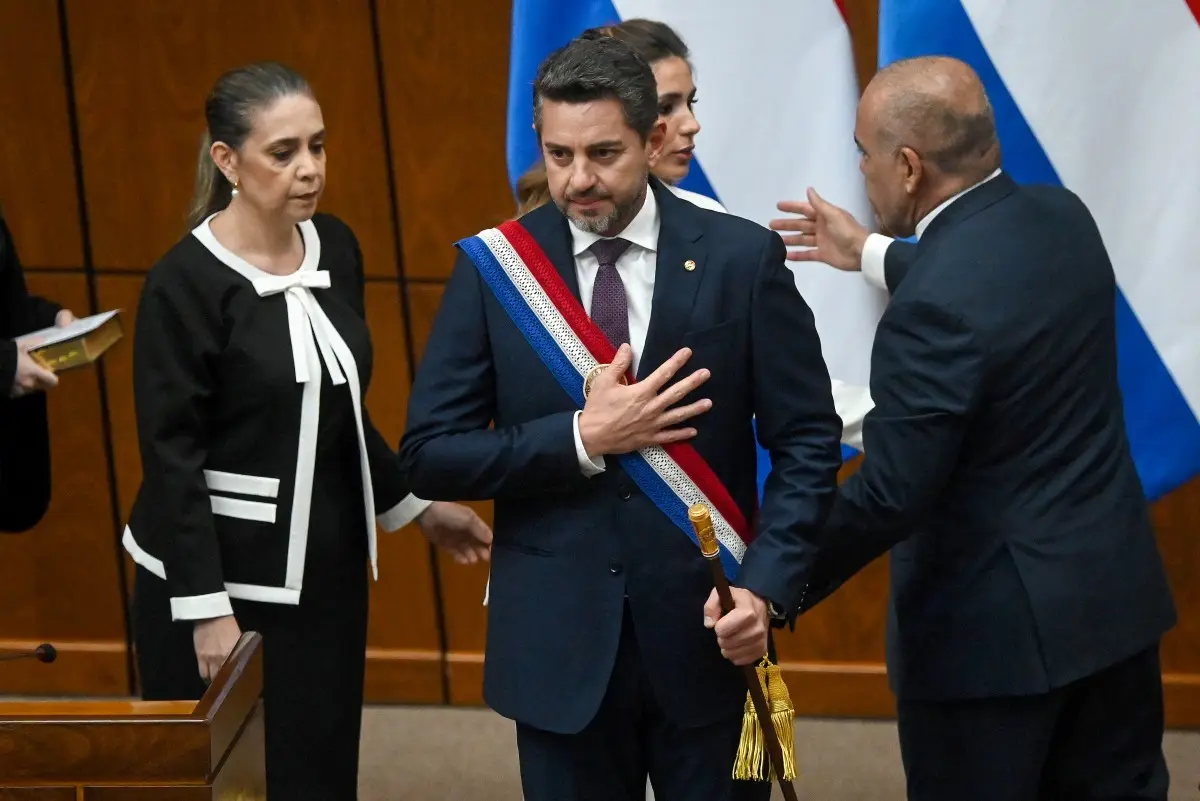
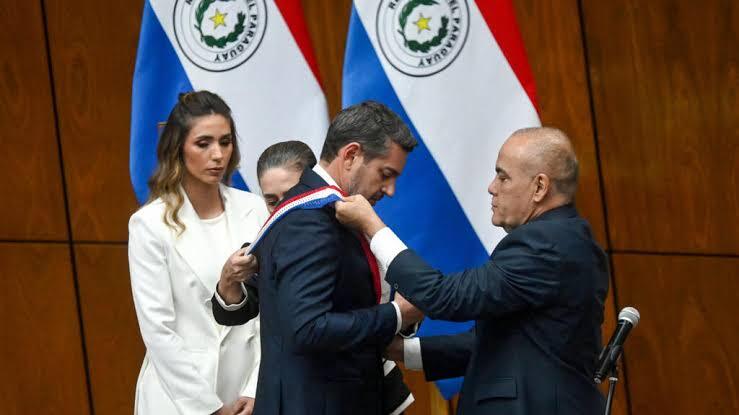
Pedro Alliana was sworn in as the new president of Paraguay on 6 November 2026 after the country’s Senate voted to remove former president Santiago Peña from office. Alliana, who previously served as vice-president, will complete the remaining period of Peña’s term, which is scheduled to end in August 2028. The sudden change in leadership has created political uncertainty in Paraguay, as the country also faces a major banking crisis involving Ueno Bank.
Senate Removes Santiago Peña from Office
Paraguay’s Senate voted unanimously to impeach and remove Santiago Peña. All 44 senators present supported the decision. Lawmakers accused Peña of using his position to direct public funds towards Ueno Bank and failing to properly address risky lending practices involving companies connected to the bank’s owners.

They also raised concerns about a possible conflict of interest because Peña had previously held a stake in the bank’s holding company. However, Peña denied the allegations.
The political situation became more serious after Peña submitted his resignation one day before the impeachment vote. Congress rejected his resignation and continued with the impeachment process. Following his removal, Pedro Alliana took the presidential oath and assumed responsibility for leading the country.
Ueno Bank Crisis Affects Millions of Customers
The banking crisis involving Ueno Bank played a major role in the political developments. On 3 November 2026, Paraguay’s Central Bank began resolution proceedings against the bank. The action led to restrictions on customer accounts, affecting around 2.9 to 3 million people. This represents approximately 60% of Paraguay’s adult population.
Lawmakers also questioned a reported US$355 million deposit from a state pension fund, which they alleged had exceeded legal limits. Ueno Bank had received more than US$800 million in public funds, raising further questions about the management of public money and financial supervision.
The crisis has become a serious concern for customers who depend on the bank for everyday financial services. Ueno mainly operated through digital platforms, making access to digital banking services especially important for its customers.
Investigations Into the Banking Crisis
Investigations into the bank’s financial activities have continued alongside the political changes. According to the supplied report, Peña was placed under house arrest and ordered to appear before prosecutors on 7 November. An arrest warrant was also issued for former central bank chief Carlos Carvallo, who had previously led the finance company that later became Ueno Bank.
Prosecutors charged 27 people, including the bank’s controlling shareholder, Miguel Vázquez. Six bank directors were reported to be in pre-trial detention.
These investigations are focused on the bank’s financial operations, the use of public funds and the responsibilities of people involved in its management and supervision.
Pedro Alliana Promises Compensation for Customers
The new president has promised full compensation for customers affected by the Ueno Bank crisis. Advance payments to some depositors had already started, according to the report.
Deposits were insured up to approximately US$37,000, a limit that was reported to cover nearly all Ueno Bank customers. This protection is expected to help reduce the financial pressure on ordinary depositors during the resolution process.
Pedro Alliana also faced political challenges soon after taking office. He was himself under investigation and survived an impeachment attempt by opposition lawmakers on 5 November.
What Happens Next in Paraguay?
Pedro Alliana now faces the challenge of restoring public confidence in the government and addressing the banking crisis. The investigations into Ueno Bank and the allegations against former government officials are likely to remain important issues in the country’s political debate.
The Central Bank’s resolution process, the compensation of depositors and the legal proceedings against people connected to the bank will be closely watched. The situation also raises wider questions about the use of public funds, financial regulation and the need for stronger supervision of banking institutions in Paraguay.