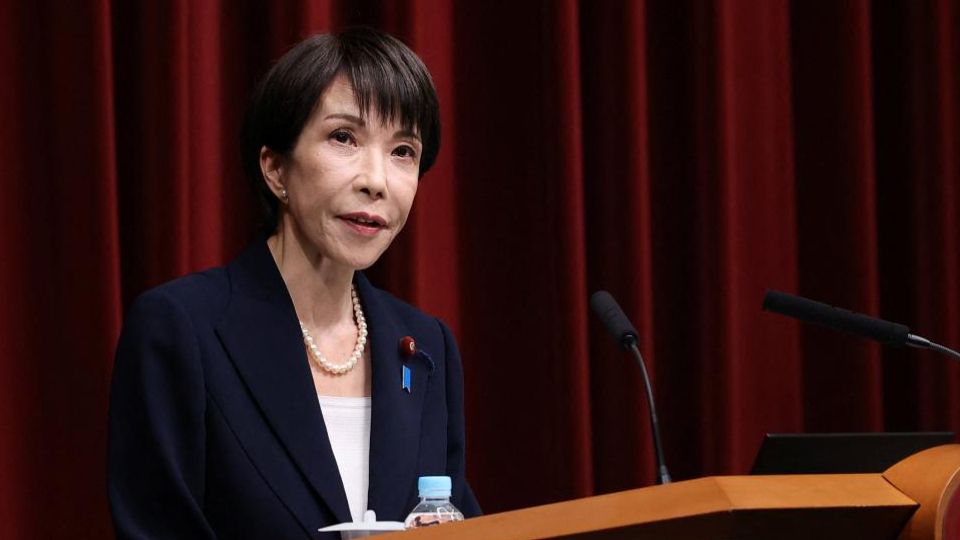
Takaichi Japan Win: Historic Victory Strengthens Prime Minister’s Mandate

The Takaichi Japan Win has marked a historic moment in Japanese politics, as the ruling Liberal Democratic Party (LDP) secured a decisive victory in a snap general election. This triumph gives Prime Minister Sanae Takaichi a strong mandate and a rare supermajority in the House of Representatives. The victory strengthens her authority just months after taking office and sets the stage for Japan’s political and policy direction in the coming years. Analysts say this win could have long-term effects on domestic reforms, defence strategies, and Japan’s role in the Indo-Pacific region.
Thank you for reading this post, don't forget to subscribe!Sweeping Mandate for the Liberal Democratic Party
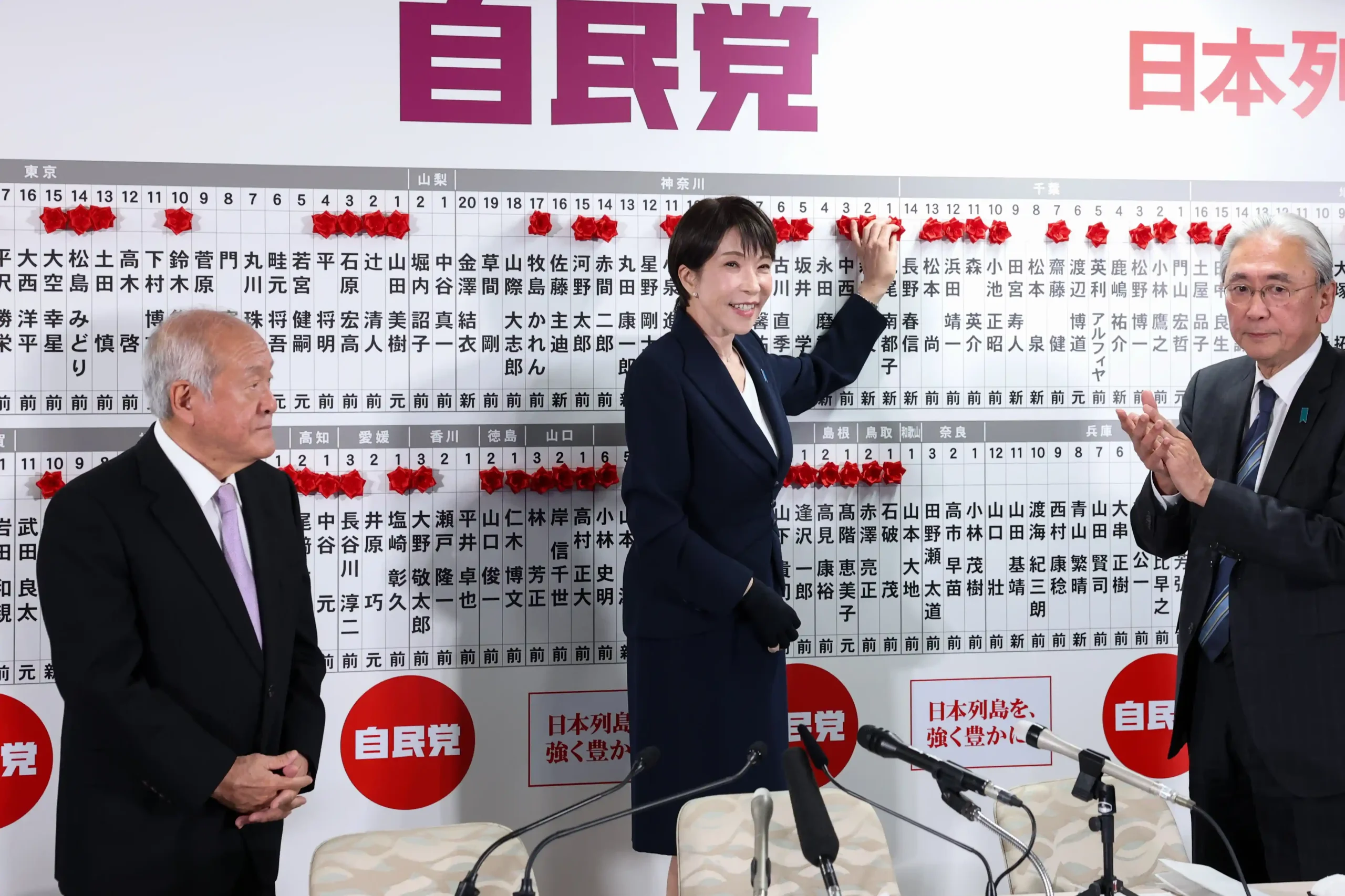
According to projections by NHK, Japan’s public broadcaster, the LDP under Takaichi crossed the crucial 310-seat mark in the 465-member House of Representatives. Achieving this threshold gives the party a supermajority, which allows it to override decisions in the upper house, where the LDP does not hold a majority.
The snap election was called amid political uncertainty, a move widely seen as risky. However, the strategy proved successful. Observers note that calling elections in winter is unusual in Japan, where voter turnout often declines due to harsh weather. Yet, turnout remained steady, signaling strong public support for the ruling party.
Coalition Strength and Opposition Performance
The LDP’s victory was further strengthened through its coalition with the Ishin party. Together, the alliance secured a comfortable two-thirds majority in the lower house. This level of control provides Takaichi with the legislative power to implement key reforms and maintain continuity in governance.
Meanwhile, opposition parties faced a mixed outcome. The far-right Sanseito party, which campaigned on a “Japanese first” platform, made some gains but fell short of its goals. Its limited success reduces its influence in shaping Japan’s legislative agenda. Other smaller opposition groups also struggled to make an impact, highlighting the dominance of Takaichi’s leadership and the LDP’s broad appeal among voters.
Key Policy Directions Under Takaichi
At a press conference and while addressing supporters at party headquarters, Prime Minister Takaichi emphasized continuity rather than major changes in her administration. She confirmed that there would be no large cabinet reshuffle and reiterated her priorities for the country.
Her domestic agenda focuses on fiscal sustainability, defence modernisation, and administrative stability. Takaichi also aims to strengthen Japan’s security posture and increase the country’s role in global affairs. Analysts say that with a supermajority, she will have the flexibility to pursue these reforms more decisively than previous governments.
The LDP’s platform under Takaichi includes plans to boost economic resilience, enhance public services, and ensure long-term energy security. With Japan facing both an ageing population and evolving regional threats, this mandate allows the government to take more ambitious steps to safeguard national interests.
Regional Implications and Foreign Policy Outlook
International leaders reacted quickly to the election results. Taiwanese Vice President Lai Ching-te congratulated Takaichi, noting that Japan’s stability is crucial for peace in the Indo-Pacific region. Japan’s renewed mandate is expected to strengthen its stance on Taiwan and regional security, especially amid rising concerns over China and North Korea.
Takaichi has previously signaled a tough stance on China, warning about potential responses if there is any aggressive action toward Taiwan. With her reinforced mandate, Japan is likely to continue enhancing its defence capabilities, deepen cooperation with allies, and take a more assertive role in regional diplomacy.
The victory also gives Takaichi political leverage to shape long-term security policies, including modernisation of Japan’s armed forces and increased investment in defence technologies. Observers say this may further solidify Japan’s position as a key player in maintaining regional stability.
Facts About Japan’s Election System
Understanding the context of Takaichi’s victory requires knowledge of Japan’s parliamentary structure. The lower house consists of 465 members, and achieving a two-thirds majority allows the ruling party to override upper house decisions. Snap elections, especially in winter, are rare but can serve as a tool for parties seeking to consolidate power quickly. The LDP has historically been Japan’s dominant post-war political party, and this latest victory continues that trend.
Voter behaviour also played a role. Despite freezing winter conditions, turnout remained steady, suggesting strong voter engagement and confidence in Takaichi’s leadership. Analysts note that this reflects both the public’s approval of the ruling coalition and a desire for political stability amid global uncertainties.

What the Takaichi Japan Win Means for Japan
The Takaichi Japan Win is more than just an electoral success; it represents a clear mandate for leadership and policy direction. With a supermajority in the lower house, Takaichi now has the ability to implement legislative changes, strengthen Japan’s defence, and maintain administrative stability.
Her win reshapes Japan’s immediate political trajectory, allowing the government to address domestic and international challenges with a stronger hand. Analysts predict that Takaichi’s policies will focus on security, economic stability, and regional influence, while opposition parties will need to regroup to remain relevant.
This election result demonstrates the power of strategic timing, coalition building, and clear messaging. It also highlights the trust that Japanese voters place in experienced leadership during uncertain times, ensuring that Takaichi’s government can pursue ambitious reforms with confidence.