


Fa’az Missile Test in Pakistan

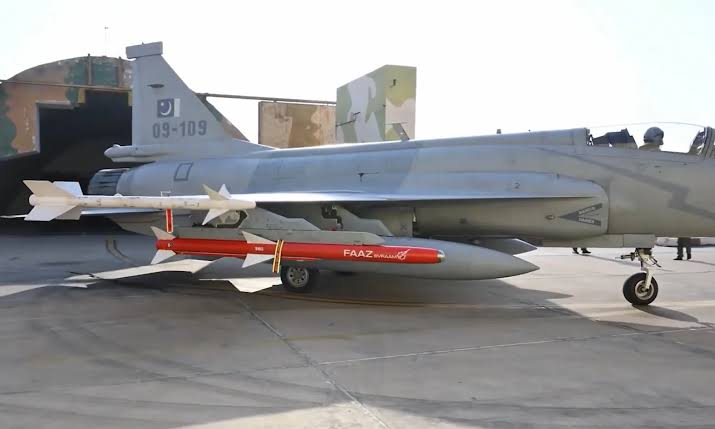
Fa’az Missile Test marked a new step in Pakistan’s reported efforts to develop air-to-air weapons at home. On 3 November 2026, Pakistan carried out a flight test of the Fa’az air-to-air missile, launching it from a JF-17 Thunder fighter aircraft. The test is being presented as an important development for the Pakistan Air Force as it seeks to strengthen its combat capabilities and reduce dependence on imported weapons.
The missile is described as an indigenous system with an advanced terminal guidance system. This technology is designed to help the missile track and engage aerial targets at extended ranges. However, details about the tested version and its performance have not all been officially confirmed.

Fa’az Missile and Its Reported Capabilities
The Fa’az is described as a family of air-to-air missiles designed to engage aircraft and other aerial targets. Reports have identified the configuration used in the November test as FAAZ-IIR. It is said to use imaging-infrared guidance, but official confirmation of this variant is still pending.
An imaging-infrared seeker detects heat from a target and builds an image-like view of it. This can help the missile distinguish an aircraft from other heat sources, including flares used to confuse incoming missiles.
Some reports place the detection range of the FAAZ-IIR seeker at around 40 kilometres. This figure should be treated as reported information rather than a confirmed operational range.
Proposed Fa’az Missile Variants
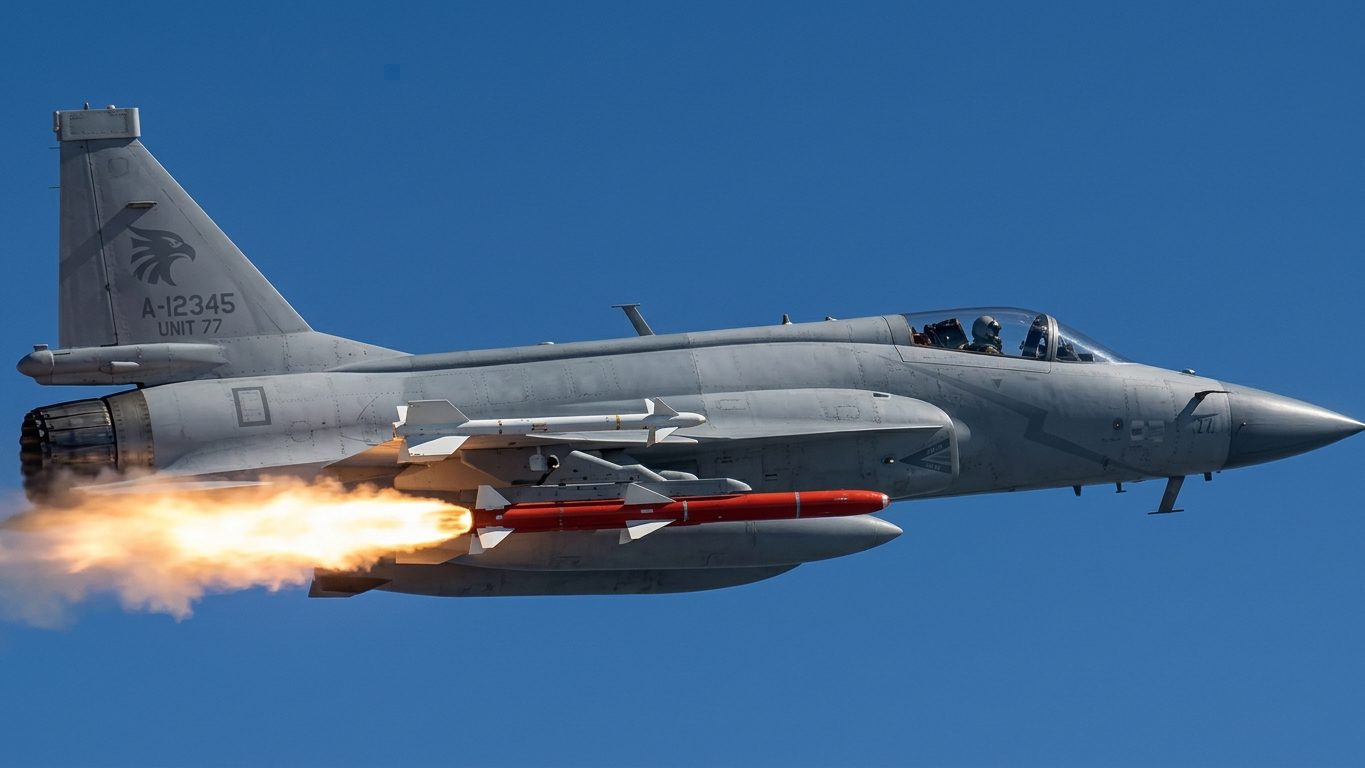
Reports have also described other versions within the Fa’az family. These include the FAAZ-RF, which is said to use active radar guidance. This type of missile carries its own radar system to detect and track a target during the final stage of flight.
The reported range of the FAAZ-RF is more than 100 kilometres, with a maximum speed of around Mach 3.5. These specifications have not been fully confirmed by official sources.
Another proposed version, the FAAZ-2, is reportedly under development. Its stated range is between 180 and 200 kilometres or more. The development status and final specifications of this version remain unclear.
Missile range and guidance systems are important factors in modern air combat. Longer-range weapons can allow fighter aircraft to engage targets from farther away, while different guidance systems offer options for tracking targets in varying conditions.
Developers and Defence Industry
The Air Weapons Complex is identified as the main developer of the Fa’az missile. It operates under the National Engineering and Scientific Commission, known as NESCOM. Global Industrial and Defence Solutions, or GIDS, is reported to market the missile family.
There have been differing accounts about the missile’s origins. Some reports describe Fa’az as a version built under licence from China’s PL-9C missile. Pakistani official statements, however, describe it as an indigenous development. Further technical details would be needed to independently assess these claims.
Developing weapons locally can help a country build technical expertise, maintain equipment more independently and reduce reliance on foreign suppliers. It can also create challenges, including the need for testing, production capacity and long-term maintenance.
JF-17 Thunder and Pakistan’s Air Force
The Fa’az missile was launched from a JF-17 Thunder aircraft. The JF-17 is a multi-role fighter used by the Pakistan Air Force. It is designed for several types of missions, including air defence and air-to-ground operations.
If the Fa’az system becomes operational, its integration with the JF-17 could give the aircraft another locally developed weapon option. The effectiveness of such a system would depend on factors such as its guidance, reliability, range and integration with the aircraft’s sensors.
Official Reactions and Wider Defence Developments
Pakistan’s President Asif Ali Zardari, Prime Minister Shehbaz Sharif and military leaders, including Army Chief Field Marshal Syed Asim Munir, reportedly congratulated the scientists and engineers involved in the project.
Pakistan has said that local weapons development is intended to improve the Pakistan Air Force’s operational flexibility and reduce dependence on foreign equipment.
The Fa’az test also follows Pakistan’s reported October 2026 test launch of an extended-range Fatah-2 ballistic missile. Together, these developments reflect continued attention to missile technology and domestic defence production.
The Fa’az Missile Test is a notable reported milestone in Pakistan’s air-to-air missile programme. Its broader significance will depend on the confirmation of its technical details, further testing and whether the system enters regular service.