



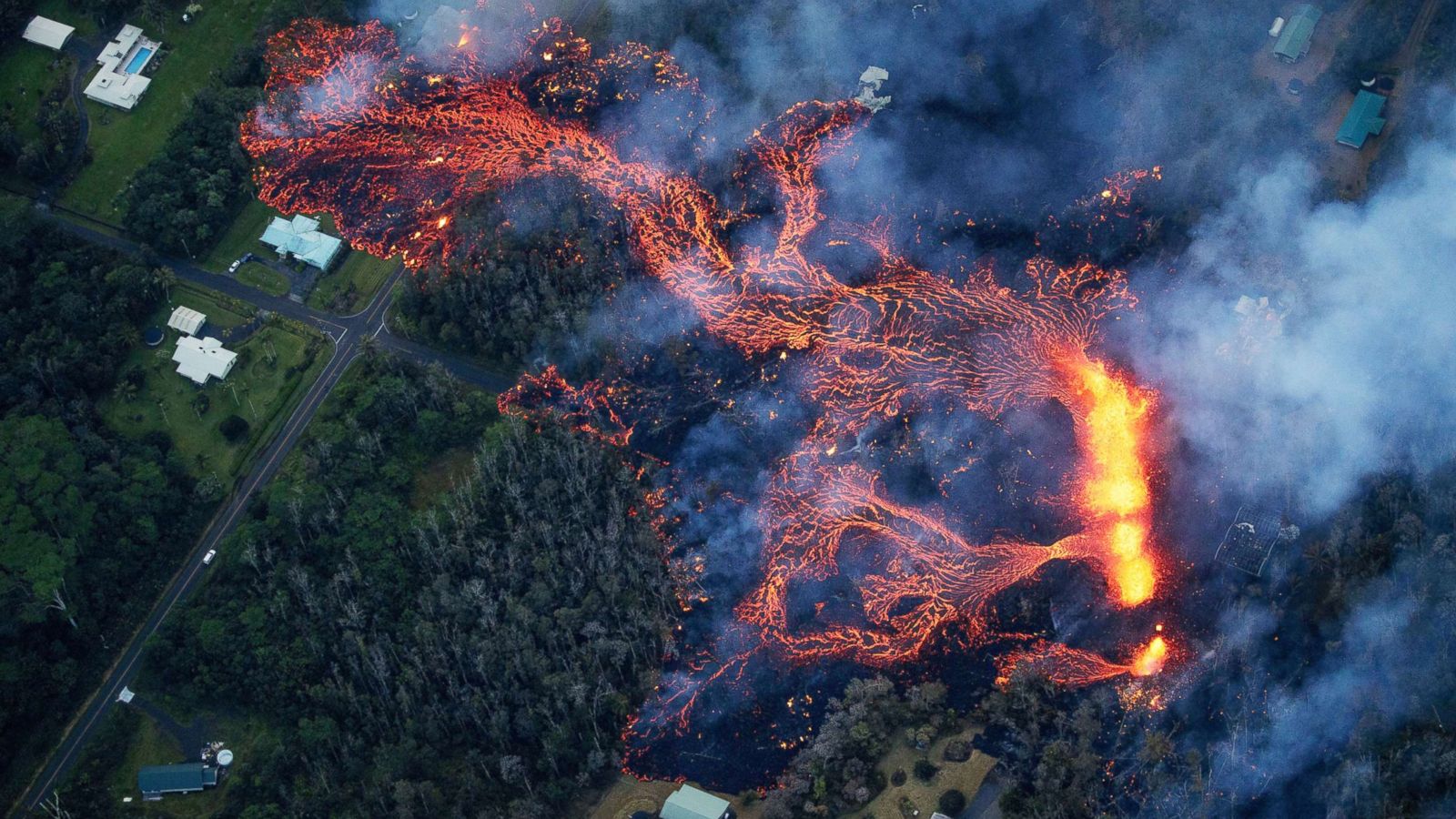
Kilauea Eruption Intensifies as New Vents Open in Hawaii

Kilauea Eruption activity has become more complex at the summit of Kīlauea volcano in Hawaii, with two new vents opening near the northwest wall of Halemaʻumaʻu crater on September 14, 2026. The new vents began producing lava flows, while spattering continued from the established north and south vents. The US Geological Survey (USGS) has kept the volcano at WATCH level with an ORANGE Aviation Color Code.
Thank you for reading this post, don't forget to subscribe!New Vents Open at Halemaʻumaʻu
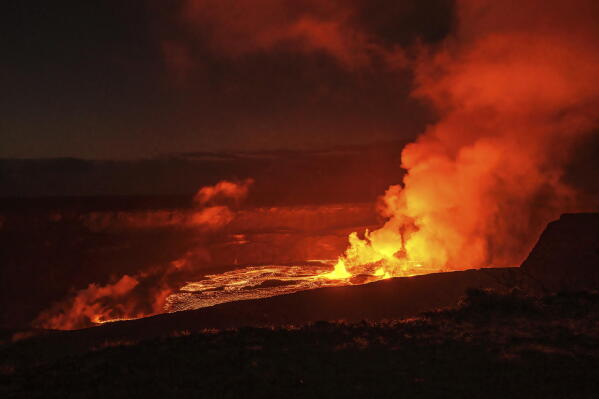
The latest development began shortly before 9 p.m. Hawaii Standard Time on September 14. Cracks near the base of the northwest wall of Halemaʻumaʻu opened and started releasing lava. One new vent formed at the base of the crater wall, while another opened about 100 feet higher on the wall.
The new vents did not produce large lava fountains. Instead, they fed small lava flows across the northwest section of the crater floor. One of the flows remained active on the morning of September 15, while the other had stopped advancing.
USGS scientists said the new vents are located at a lower elevation than the main vent complex. Their position is important because lava could potentially continue flowing from these openings for a longer period.
Kīlauea Remains Highly Pressurized
The latest Kilauea Eruption activity comes after several days of increasing pressure beneath the summit. The volcano has been experiencing inflation as magma accumulates in the shallow system below Halemaʻumaʻu.
USGS reported that summit inflation stopped around the time the new vents opened. However, the summit region remains highly pressurized. Scientists said it is not possible to forecast exactly what will happen next. The new vents could continue erupting, or their activity could stop and the eruption could return to the established vents.
This uncertainty is important because Kīlauea has been showing a pattern of repeated lava-fountaining episodes since the current Halemaʻumaʻu eruption began in December 2024.
Episode 55 Remains Possible
Kīlauea has already experienced 54 episodes of lava fountaining during the current eruption. Before the latest changes, scientists were watching for the start of Episode 55.
Between September 7 and September 12, more than 100 small lava overflows were recorded from the north vent. USGS later reported a total of 104 overflows during this period. Spattering from the north vent between September 13 and 15 also built a small spatter cone measuring about 36 to 39 feet, or 11 to 12 metres, high.
The opening of the new vents has changed the situation. Scientists said the summit remains pressurized enough for another lava-fountaining episode, but the exact outcome cannot be predicted.
Spattering Continues at Existing Vents
Activity has not been limited to the new openings. The established north vent continued producing intermittent spatter bursts, while the south vent also showed occasional spattering.
On September 14, part of the north vent’s small cone collapsed. Spattering then increased in frequency and intensity. Large flames and glowing material were observed from the north vent through the night. The south and west vents also continued to glow.
USGS monitoring showed that volcanic tremor remained relatively steady. Small earthquakes were also detected beneath the summit area, although no major changes were reported in Kīlauea’s East Rift Zone or Southwest Rift Zone.
Kīlauea Alert Level Remains WATCH
The USGS Hawaiian Volcano Observatory continues to monitor the volcano closely. As of September 15, the Kīlauea Volcano Alert Level was WATCH, while the Aviation Color Code remained ORANGE.
The alert status reflects the continuing volcanic activity and the possibility of further changes. The latest activity remains concentrated around the summit region of Kīlauea in Hawaiʻi Volcanoes National Park.
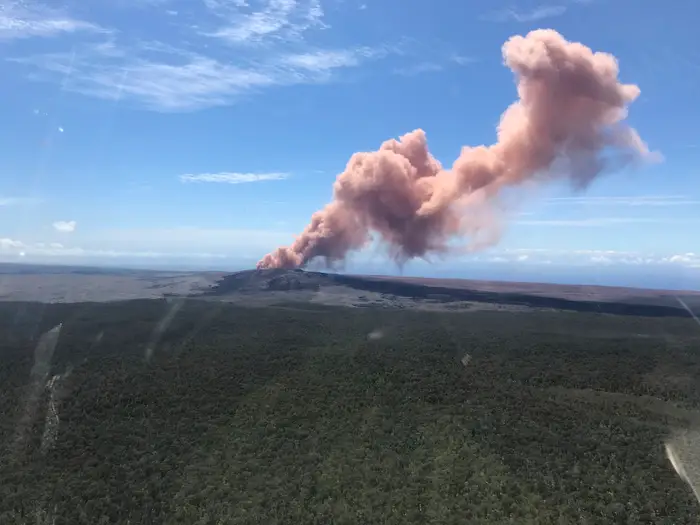
The current eruption also highlights how quickly volcanic activity can change. Scientists had been observing a long period of smaller lava overflows and summit inflation, but the opening of new vents introduced another possible path for magma to reach the surface.
Monitoring Continues
The Hawaiian Volcano Observatory is using seismic data, ground-deformation measurements, webcams and visual observations to track the eruption. USGS monitoring is particularly focused on changes in summit inflation, volcanic tremor, lava movement and the behaviour of the new vents.
The September 15 update said the new vents opened without a strong earthquake immediately beforehand. The vents also formed along the general trend of the original underground magma pathway that was established during the eruption’s earlier development.
For now, scientists are watching whether the new lava vents continue to produce flows, whether activity returns to the established vents, or whether the highly pressurized summit produces another episode of lava fountaining. The USGS has stressed that the next stage of the Kilauea Eruption cannot yet be forecast with certainty.