



Border Village Programme Launched: A New Push for Development in India’s Border Areas

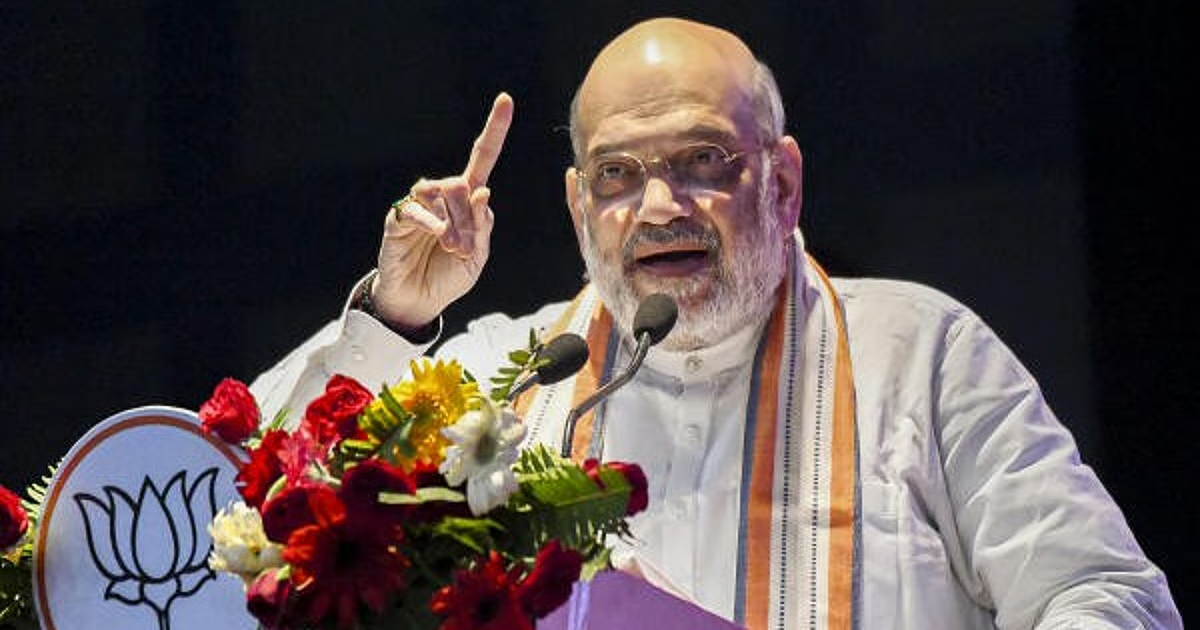
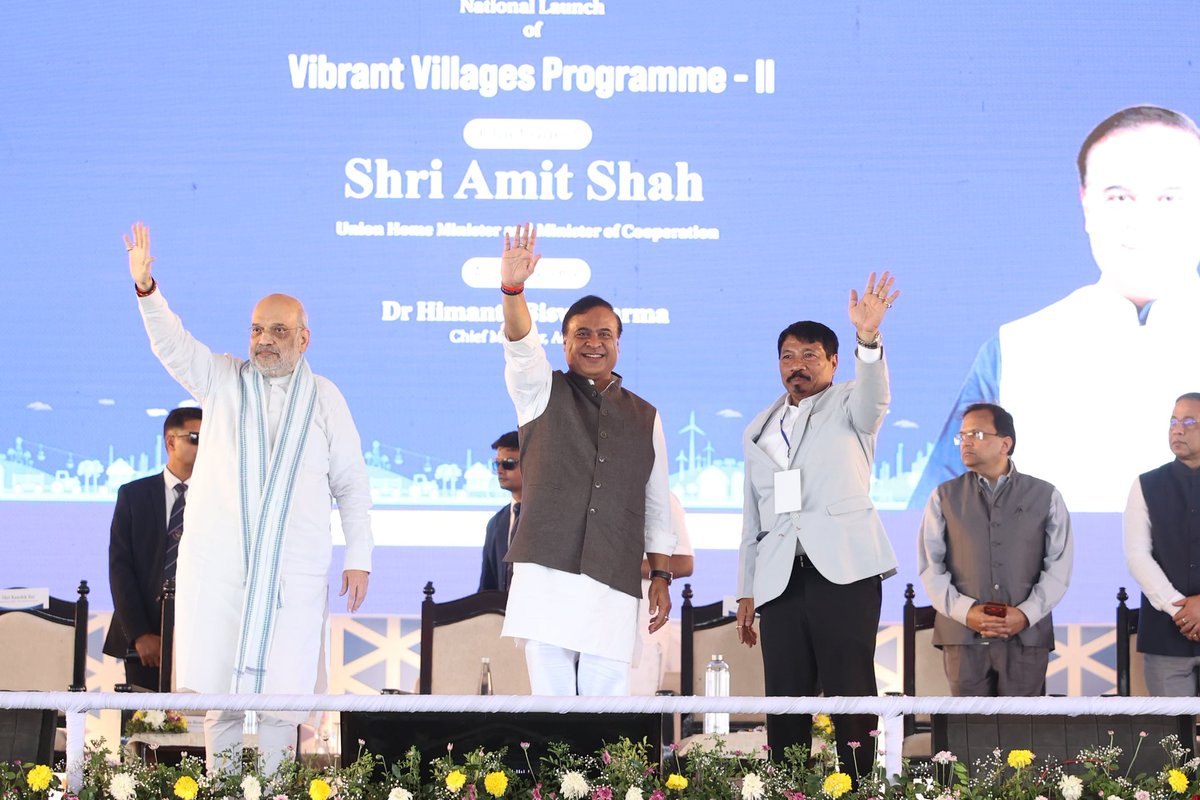
The Border Village Programme Launched by the central government marks a significant step towards inclusive development and national integration. Union Home Minister Amit Shah formally launched the second phase of the Vibrant Village Programme in Assam, sending a strong message that villages located near international borders are no longer to be seen as remote or neglected. Instead, they are being positioned as important growth centres that deserve the same opportunities and facilities as the rest of the country.
Thank you for reading this post, don't forget to subscribe!The programme was inaugurated at Natanpur village in the Barak Valley region of Assam, highlighting the government’s focus on the eastern frontier and the sensitive stretches along the India-Bangladesh Border. With this launch, the Border Village Programme Launched has gained renewed momentum, combining development goals with strategic priorities.
Vision Behind the Border Village Programme
At its core, the Border Village Programme Launched reflects a shift in how border areas are viewed in national planning. For decades, border villages were often described as the “last villages,” facing limited infrastructure, fewer livelihood options, and poor connectivity. The new approach aims to change this mindset by turning them into “first villages” that showcase development, stability, and opportunity.
The Vibrant Village Programme-II seeks to ensure that people living near borders feel equally connected to the nation’s growth story. By improving living standards and access to basic services, the government hopes to strengthen the social and economic fabric of these regions while also reinforcing national security.
Large-Scale Coverage Across States
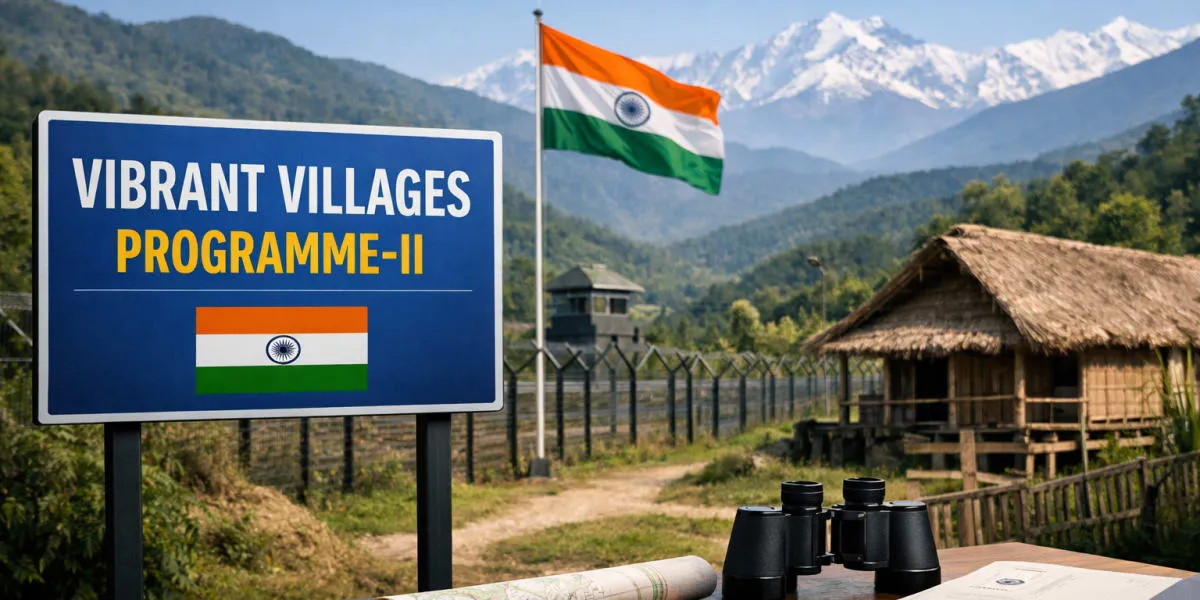
Under the second phase of the programme, development work will be carried out in 334 blocks and 1,954 villages across 17 states. A total allocation of ₹6,900 crore has been made, reflecting the scale and seriousness of the initiative. Assam is one of the key focus states, with nine districts, 26 blocks, and 140 villages included under the scheme.
These villages are located along sensitive border areas, making the programme both a development initiative and a strategic investment. The Border Village Programme Launched is designed to address long-standing gaps in infrastructure while also ensuring that border populations remain resilient and economically stable.
Strengthening Infrastructure and Connectivity
A major pillar of the programme is infrastructure development. Border villages often suffer from poor road networks, limited electricity supply, weak telecom connectivity, and inadequate sanitation facilities. The new phase aims to change this by upgrading roads, improving access to clean drinking water, strengthening power supply, and expanding digital and mobile connectivity.
Better infrastructure is expected to reduce isolation and make daily life easier for residents. Improved roads will help farmers and small traders access markets, while reliable telecom services will open doors to digital services, education, and government schemes. Through these efforts, the Border Village Programme Launched seeks to bring border regions closer to national development standards.
Focus on Education and Employment
Education and employment are central to the success of the programme. Many border villages face challenges such as poorly equipped schools, lack of digital tools, and limited skill development options. The second phase of the programme aims to upgrade school infrastructure, improve internet access, and introduce skill training facilities tailored to local needs.
Employment generation is another key goal. By promoting local livelihoods, small enterprises, and skill-based jobs, the government hopes to reduce migration from border villages to cities. When young people find opportunities close to home, communities become more stable and economically secure. The Border Village Programme Launched is therefore not just about physical infrastructure, but also about creating sustainable futures for families living near borders.
Social and Strategic Importance
The programme carries deep social significance. Border communities often serve as the first point of contact between nations, and their well-being plays a role in maintaining peaceful and stable borders. By investing in healthcare, sanitation, education, and employment, the government aims to build confidence and trust among residents.
From a strategic perspective, strong and prosperous border villages contribute to demographic stability and national security. When people feel supported and connected, they are more likely to stay, invest in their communities, and participate actively in nation-building. The Border Village Programme Launched aligns development goals with broader security considerations in a balanced way.
Assam and the Barak Valley Focus
The inclusion of Natanpur village in the Barak Valley as one of the first sites under the new phase highlights the importance of Assam in the programme. The Barak Valley region has unique cultural, economic, and geographical characteristics, and its development is crucial for the eastern frontier.
Authorities plan to ensure comprehensive progress across all nine districts included in Assam. This includes not only infrastructure upgrades but also community welfare initiatives that address local needs. The Border Village Programme Launched in Assam is expected to create a model that can be replicated in other border states.
A Step Towards Inclusive Growth
Overall, the launch of the second phase of the Vibrant Village Programme represents a clear commitment to inclusive growth. By focusing on border villages, the government is addressing areas that were once overlooked and integrating them into the national mainstream. The Border Village Programme Launched stands as an example of how development, security, and social welfare can move forward together, ensuring that no region is left behind in India’s growth journey.