



Myrtle Rust Spread Australia Bees

Myrtle Rust Spread Australia has become an important issue as scientists link the spread of this plant disease to honeybees. The discovery has raised concerns about how natural pollinators may unintentionally contribute to the movement of harmful pathogens.
This situation highlights the complex relationship between agriculture, environment, and biodiversity. While bees are essential for pollination, their role in spreading plant diseases is now being studied more closely.

Role of Honeybees in the Spread
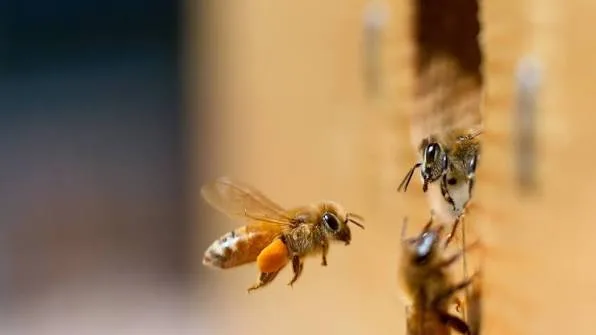
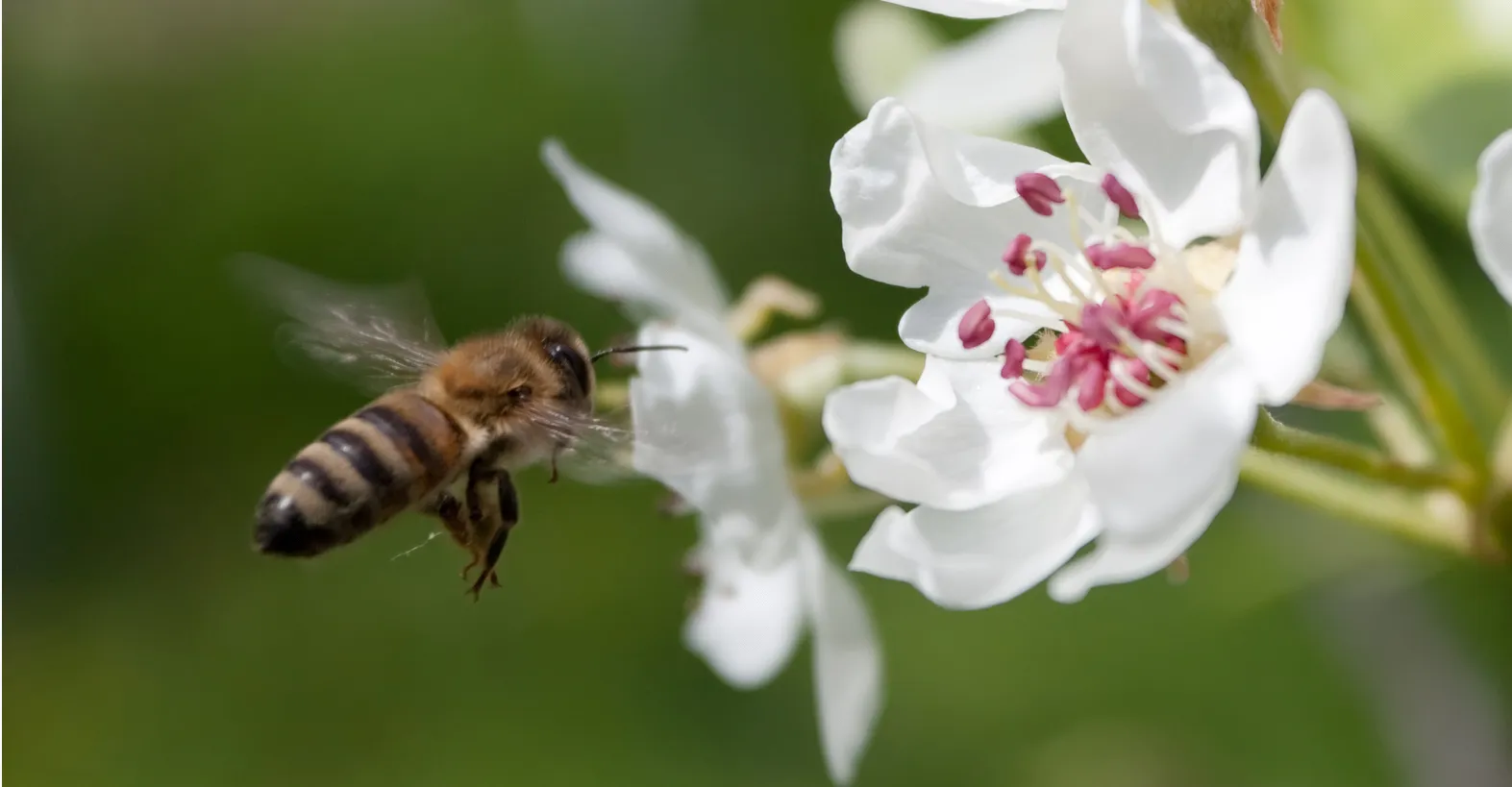
Honeybees are widely used in agriculture for pollination. They travel long distances and visit many plants during their activity.
In this process, they can collect and carry tiny particles such as pollen and spores. Scientists have found that bees can pick up fungal spores from infected plants and transport them to other locations.
This movement creates new pathways for plant diseases to spread across regions.
Understanding Myrtle Rust
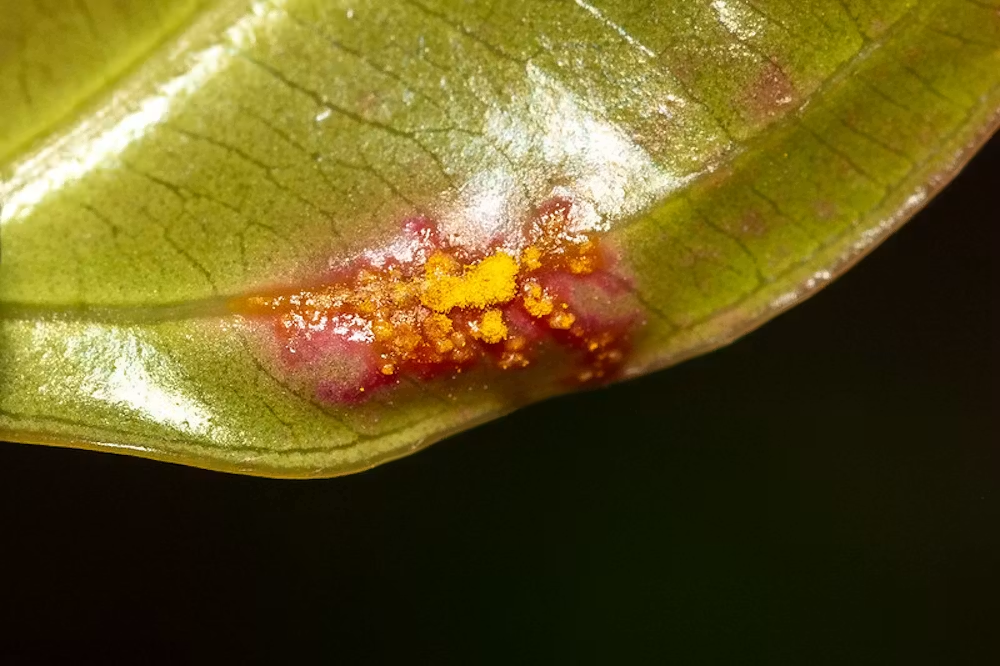
Myrtle rust is a fungal disease that affects plants belonging to a specific plant family. These plants include many well-known species such as eucalyptus, bottlebrush, and paperbark trees.
The disease damages leaves, shoots, and flowers, affecting plant growth and survival. In severe cases, it can lead to the decline of entire plant populations.
Since many of these plants are native to Australia, the spread of the disease is a serious environmental concern.
Myrtle Rust Spread in Australia Linked to Honeybees Raises Environmental Concerns – The spread of myrtle rust across Australia has been connected to honeybee activity, highlighting new challenges in balancing agriculture, biosecurity, and the protection of native plant species.
Impact on Native Vegetation
A significant portion of Australia’s natural vegetation belongs to the group affected by myrtle rust. This means the disease has the potential to impact forests, ecosystems, and wildlife habitats.
Plants play a key role in supporting biodiversity. When they are affected, it can also impact animals that depend on them for food and shelter.
This creates a chain reaction that can disturb ecological balance.
How Spores Travel Through Bee Activity
Scientists have observed that honeybees may collect fungal spores as part of their natural behaviour. In some cases, these spores are taken back to the hive.
Research shows that the spores can remain active for several days inside the hive environment. This increases the chances of the disease spreading when bees move to new areas.
Since bee colonies are often transported for farming purposes, this movement can carry the disease over long distances.
Connection with Agriculture Practices
Modern agriculture often depends on managed bee colonies for pollination. These colonies are moved across regions to support crop production.
While this practice helps improve crop yields, it also creates pathways for biological materials to travel. This includes both beneficial and harmful elements.
The link between bee movement and disease spread is now becoming an important topic in agricultural and environmental discussions.
Biosecurity and Monitoring Efforts
Australia has strong biosecurity systems to monitor plant diseases and pests. Scientists and authorities are studying how myrtle rust spreads and how it can be controlled.
Interestingly, bees are also used in monitoring programs. By studying what bees collect, researchers can detect the presence of plant pathogens in the environment.
This dual role of bees—as both carriers and detectors—adds complexity to managing plant health.
Other Emerging Biosecurity Challenges
Apart from myrtle rust, there are other threats affecting agriculture and ecosystems. One such concern is the spread of pests that attack bee populations.
These challenges can impact food production, biodiversity, and environmental stability.
Managing these risks requires continuous research, monitoring, and cooperation between different sectors.
Importance of Protecting Plant Health
Healthy plant systems are essential for maintaining ecological balance. They support food chains, regulate climate, and provide resources for human use.
When plant diseases spread, they can affect forests, farms, and urban greenery.
Understanding how diseases move and finding ways to control them is an important step in protecting the environment.
Growing Focus on Environmental Awareness
The issue of myrtle rust spread reflects a larger global concern about environmental health. Climate change, habitat loss, and disease outbreaks are all connected challenges.
There is increasing awareness about the need to protect ecosystems and use sustainable practices.
By studying such cases, scientists and policymakers can develop better strategies to manage natural resources and reduce risks.