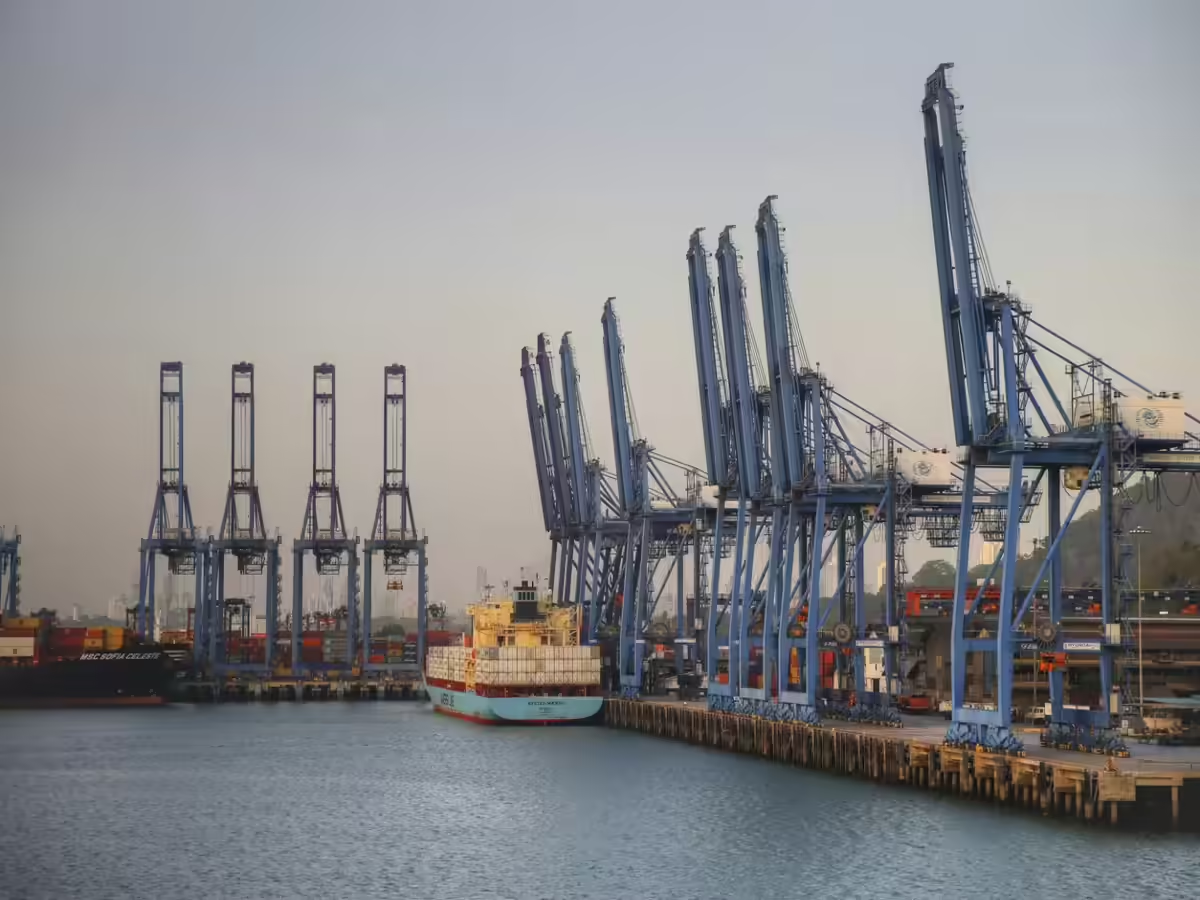
Chabahar Port India-Iran: Strategic Partnership Amid Global Challenges

The Chabahar Port India-Iran project has once again become a focal point of international attention as Iran reaffirmed its strong backing for the initiative. Despite uncertainties arising from renewed United States sanctions, both nations continue to express commitment to the project, highlighting its long-term strategic and economic importance.
Thank you for reading this post, don't forget to subscribe!Strategic Importance of Chabahar Port
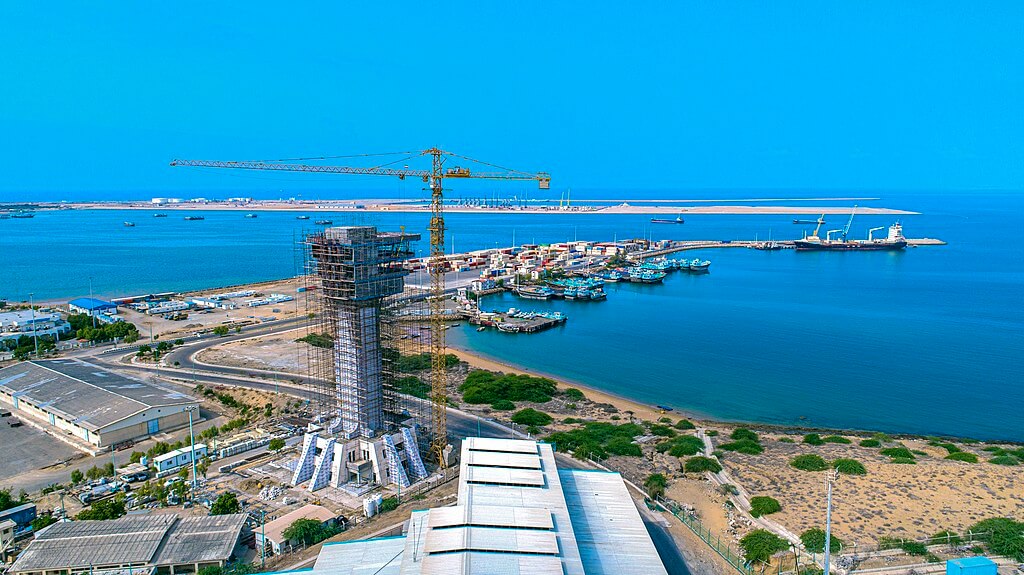
The Chabahar Port India-Iran project holds immense significance for India’s regional connectivity. Located in Iran’s Sistan-Baluchestan province, Chabahar offers India a direct trade route to Afghanistan and Central Asia, bypassing Pakistan. This advantage is crucial for enhancing trade, investment, and diplomatic relations in the region.
Iran has consistently emphasized the port’s strategic location, calling it a long-term asset for regional trade and transit. Officials from Tehran believe that Chabahar can play a pivotal role in boosting economic integration across South and Central Asia. For India, this means greater access to landlocked Afghanistan, strengthening bilateral ties and increasing influence in a geopolitically sensitive area.
US Sanctions and Waiver Uncertainty
The Chabahar Port India-Iran project faces challenges from external geopolitical pressures. Last year, the United States revoked a key sanctions waiver that had allowed India to develop a terminal at the port. This created uncertainty over India’s future involvement and raised questions about the financial and operational stability of the project.
Although the waiver was temporarily extended until April 26 after discussions between India and the US, the long-term status of such exemptions remains unclear. These developments have influenced India’s budgetary planning, as the Union Budget for the current year did not allocate additional funds for the port’s development. The uncertainty has drawn attention from policymakers and investors, emphasizing the delicate balance between strategic interest and compliance with international sanctions.
India’s Financial Commitment to Chabahar
Despite these challenges, India’s commitment to the Chabahar Port India-Iran project remains strong. The Indian government has already transferred the full $120 million initially pledged for the port’s development. Additionally, India has promised a $250 million line of credit to support further expansion under a 10-year contract signed in 2024.
Officials have clarified that this credit line is not time-bound, signaling India’s long-term strategic intent. By maintaining financial support, India continues to ensure the operational progress of Chabahar, reinforcing its presence in the region. This commitment demonstrates India’s determination to balance strategic interests with the complex geopolitical landscape.
Iran’s Readiness to Strengthen Bilateral Ties
Iran has also signaled its readiness to deepen cooperation with India through the Chabahar project. Mohammad Fathali, Iran’s ambassador to India, emphasized the port’s importance for regional trade and highlighted Tehran’s desire to expand bilateral relations with New Delhi. He referred to the historical and civilizational ties between the two nations as a foundation for stronger collaboration.
Iran’s message indicates a long-term vision where Chabahar acts not only as a trade hub but also as a symbol of mutual trust and partnership. By continuing engagement, both nations aim to strengthen economic corridors and improve connectivity in South and Central Asia.
Regional Significance of Chabahar Port
The Chabahar Port India-Iran project is more than an infrastructure initiative; it is a geopolitical tool. By bypassing Pakistan, India gains a direct route to Afghanistan, facilitating trade, investment, and humanitarian support. The port also provides India with leverage in regional diplomacy and enhances its role in regional development initiatives.
Furthermore, the port has the potential to boost Iran’s own economy by attracting international investments and increasing trade volume. For neighboring countries, Chabahar presents an alternative corridor for imports and exports, reducing dependency on traditional routes that may be constrained by political tensions.
Future Prospects and Strategic Outlook
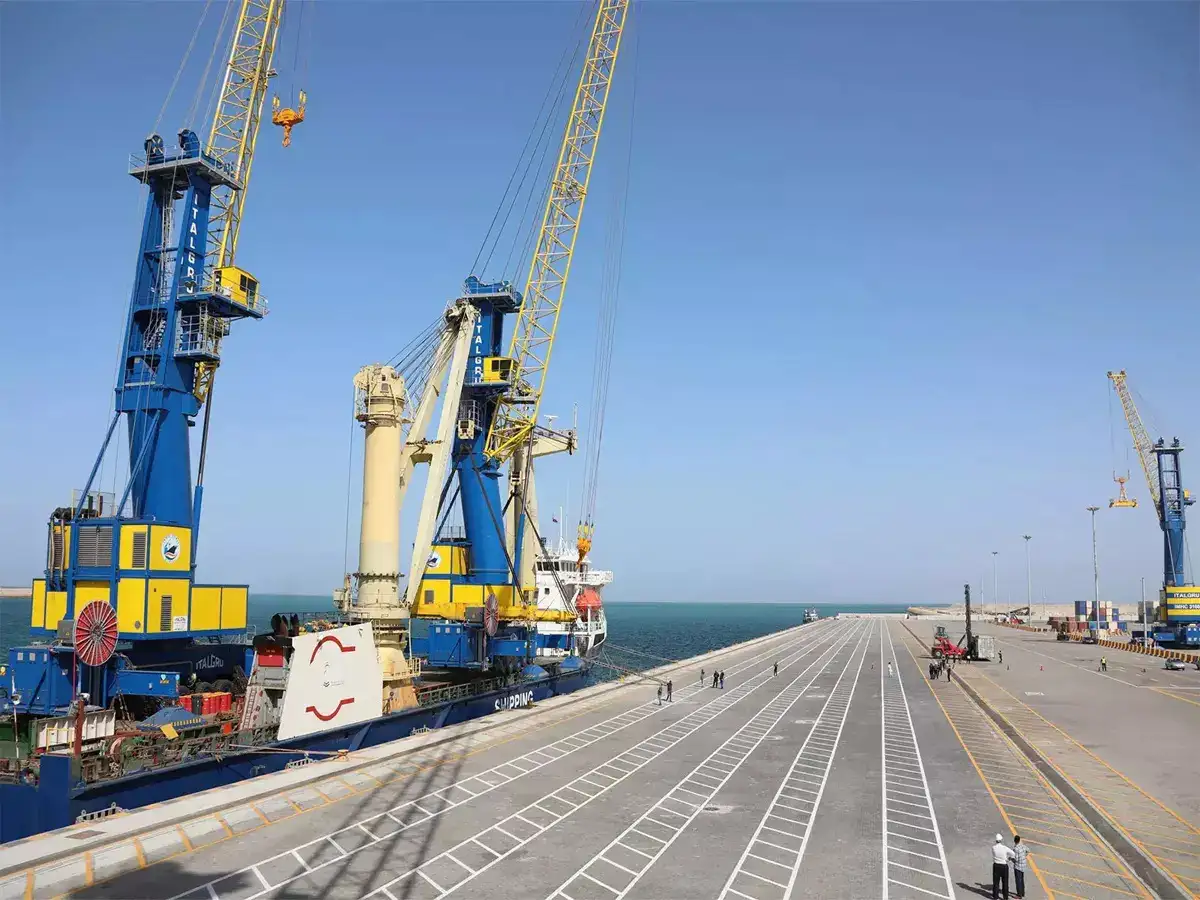
While the challenges from US sanctions remain, both India and Iran have shown resilience in pursuing the Chabahar Port India-Iran project. India’s financial contributions and Iran’s willingness to cooperate suggest a strong commitment to realizing the port’s full potential.
As regional trade dynamics evolve, Chabahar could become a key hub for economic and strategic engagement. The project represents a blend of economic ambition and geopolitical strategy, reinforcing India’s presence in West Asia and Iran’s regional significance.
With continued collaboration, clear financial planning, and diplomatic engagement, the Chabahar Port India-Iran project is poised to play a major role in shaping regional connectivity and international trade in the years to come.