


Judo – The Art of Skill, Strength, and Respect

Judo is a popular martial art and combat sport that started in Japan. The word “Judo” means “gentle way”, which shows that this sport focuses on using technique and intelligence instead of brute strength. It is played without weapons and teaches self-defense, discipline, and respect.
Judo was created in 1882 by Jigoro Kano, a Japanese teacher and thinker. He developed Judo from older martial arts like jujutsu, but removed dangerous techniques and focused more on safety and learning.

Today, Judo is:
- An Olympic sport (since 1964)
- A Paralympic sport (since 1988)
- Played in many countries around the world
People who practice Judo are called judoka, and they wear a special uniform called judogi.
Basic Idea and Objective of Judo
The main aim in Judo is to:
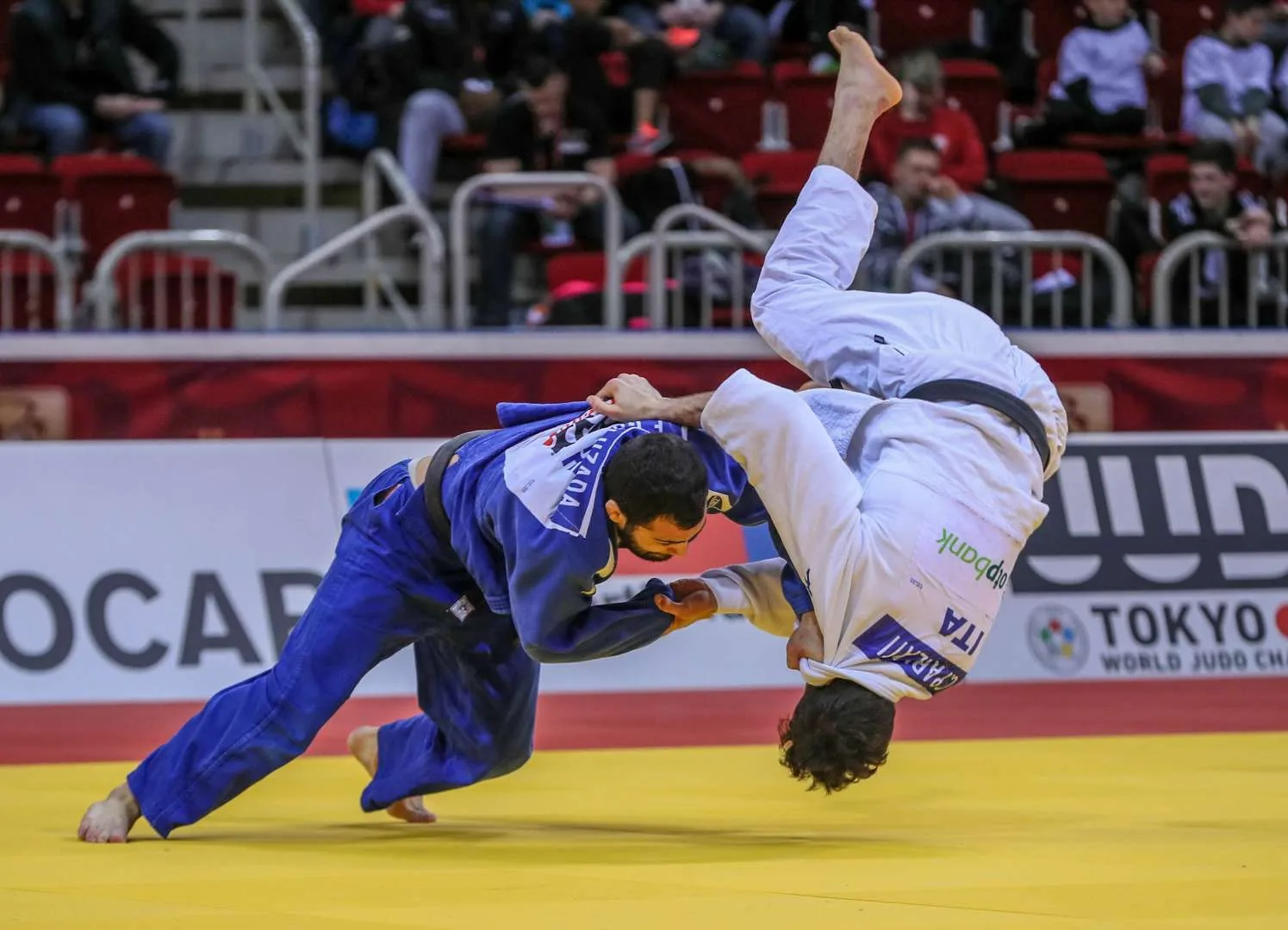
- Throw your opponent onto their back
- Pin them on the ground
- Make them surrender using safe locks or holds
Instead of hitting or kicking, Judo uses:
- Balance
- Timing
- Technique
Two important principles of Judo are:
- Maximum efficiency (use energy wisely)
- Mutual benefit (both players learn and grow)
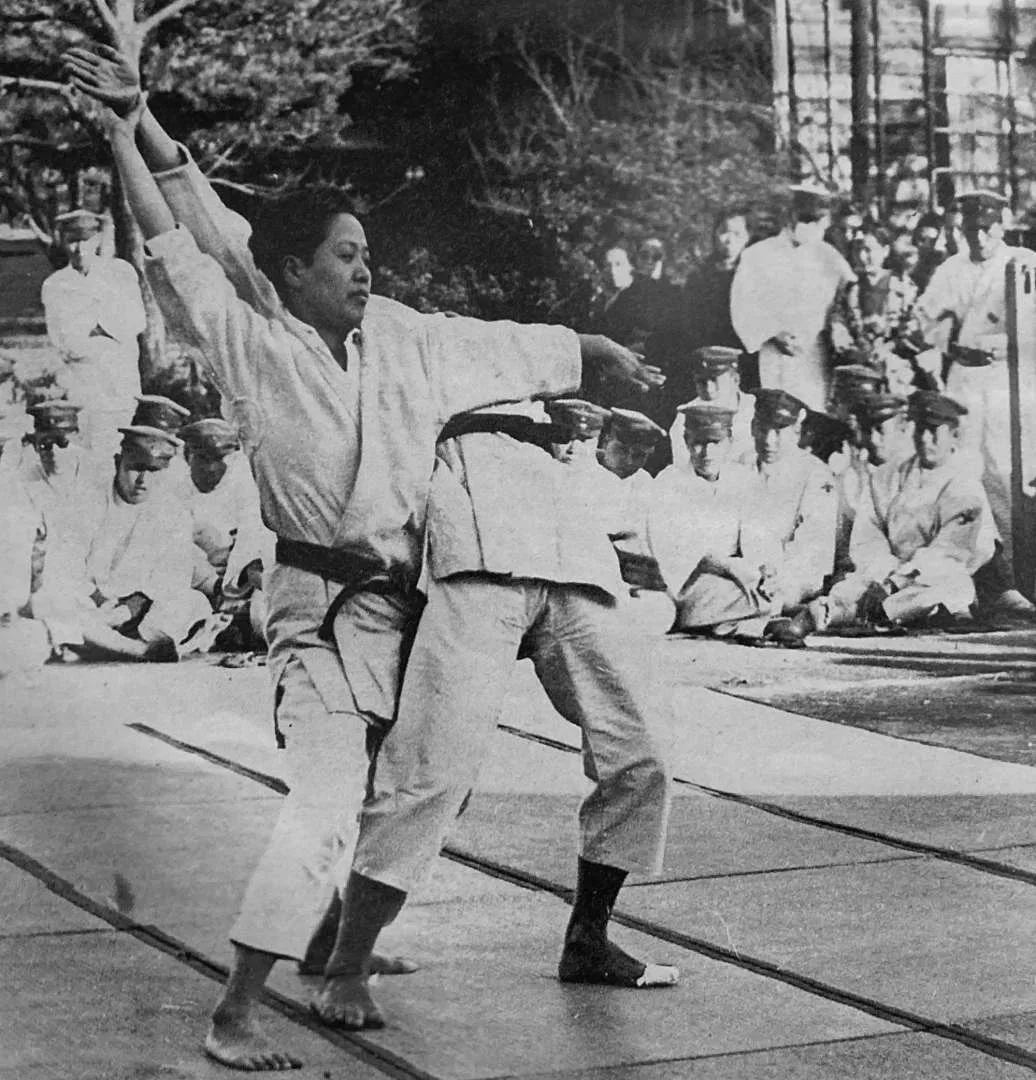
Number of Players
Judo is usually played:
- One vs One (1 player on each side)
However, in competitions:
- There are many players in a tournament
- Players compete in different rounds
So, while a match is between two players, a competition can include many participants.
Types of Judo Techniques
Judo has three main types of techniques:
Nage-Waza (Throwing Techniques)
These are used to throw the opponent to the ground.
Examples:
- Hip throws
- Leg sweeps
- Shoulder throws
Katame-Waza (Grappling Techniques)
Used when both players are on the ground.
Includes:
- Pins (holding opponent down)
- Chokes
- Joint locks
Atemi-Waza (Striking Techniques)
- These involve hitting
- Used only in practice forms (kata)
- Not allowed in competitions
Players Eligibility
To play Judo, players must meet some basic conditions:
Age
- Children, teenagers, and adults can all play
- Competitions are divided by age groups
Weight Categories
Players compete with others of similar weight:
Men
- Under 60 kg
- 60-66 kg
- 66-73 kg
- 73-81 kg
- 81-90 kg
- 90-100 kg
- Over 100 kg
Women
- Under 48 kg
- 48-52 kg
- 52-57 kg
- 57-63 kg
- 63-70 kg
- 70-78 kg
- Over 78 kg
Health
- Players must be physically fit
- Should not have serious injuries
Dress Code in Judo
The uniform used in Judo is called Judogi. It includes:
- Jacket (Uwagi) – thick and strong
- Trousers (Zubon) – loose and comfortable
- Belt (Obi) – shows rank (skill level)
Belt Colors
- White (beginner)
- Yellow, orange, green, blue, brown
- Black (expert level)
Competition Dress
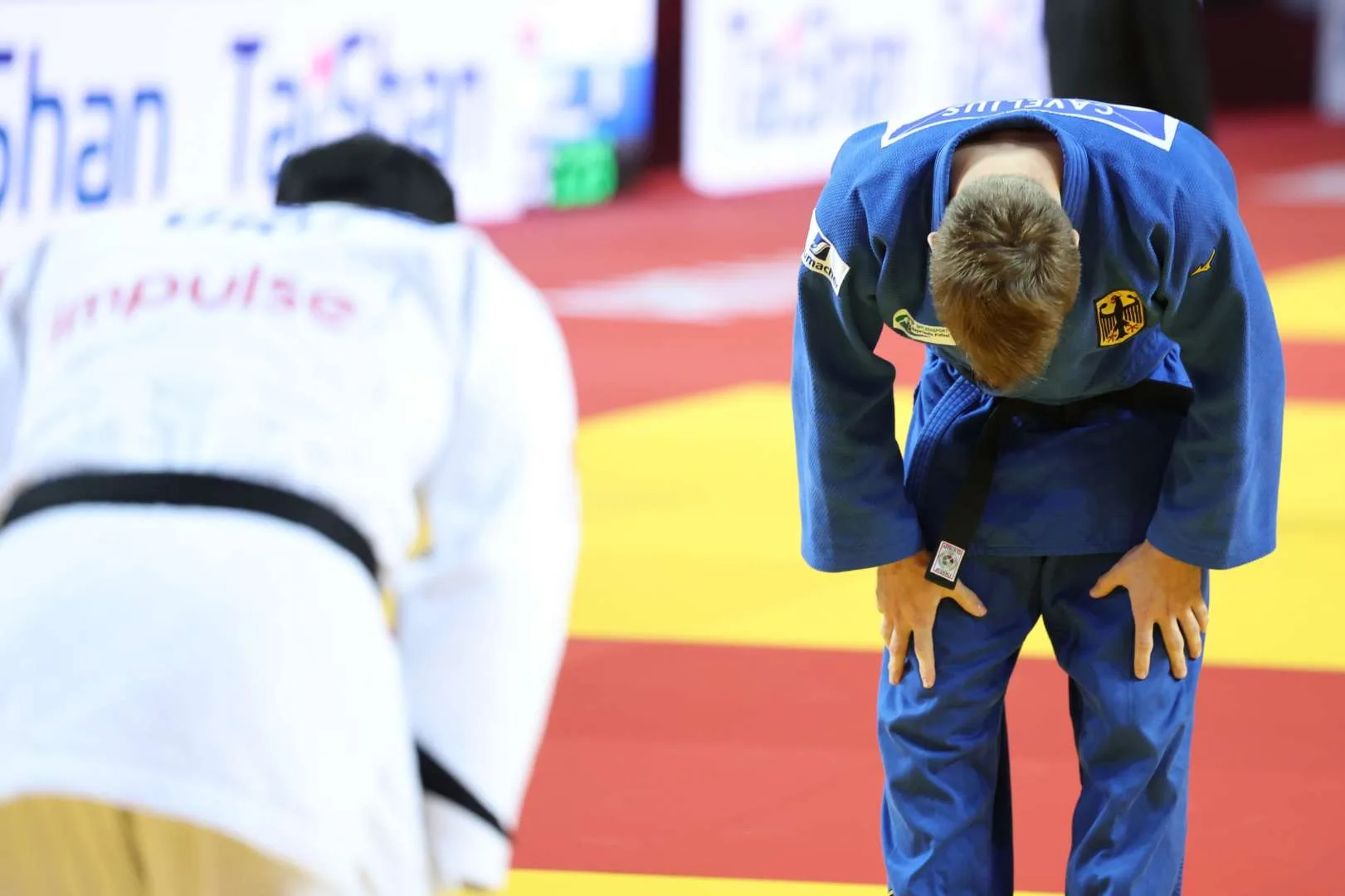
- One player wears white
- The other may wear blue for easy identification
Duration of the Game
The time of a Judo match depends on the level:
- Men’s matches: 4 minutes
- Women’s matches: 4 minutes
- Extra time (Golden Score) if needed
Golden Score Rule
- If scores are equal, match continues
- First player to score wins
Basic Rules of Judo
Here are the simple rules:
- No punching or kicking allowed
- Use throws, holds, and locks only
- Match happens on a mat area
- Players must stay inside the area
- Respect the opponent and referee
Scoring System
- Ippon (Full point) → Instant win
(Perfect throw or strong hold) - Waza-ari (Half point)
(Less powerful move)
Two Waza-ari = 1 Ippon
Penalties
- Breaking rules leads to warnings
- Serious mistakes can lead to disqualification
Benefits of Playing Judo
Judo is not just a sport it helps in many ways:
Physical Benefits
- Improves strength
- Builds flexibility
- Increases stamina
- Helps in weight control
Mental Benefits
- Improves focus
- Builds confidence
- Teaches discipline
Social Benefits
- Encourages respect
- Builds teamwork
- Develops leadership skills
Self- Defense
- Teaches how to protect yourself
- Helps in real-life situations
Challenges in Judo
Like any sport, Judo also has challenges:
Physical Challenges
- Risk of injury
- Requires strong training
Learning Difficulty
- Techniques take time to master
- Requires patience
Competition Pressure
- Mental stress during matches
Weight Management
- Players must stay in weight category
Famous and Successful Judo Players
Some famous Judo players include:
- Anton Geesink – First non-Japanese Olympic champion
- Ronda Rousey – Olympic medalist and global star
- Teddy Riner – Multiple Olympic and world champion
- Ryoko Tani – One of the greatest female judoka
These players have made Judo popular worldwide.
Major International Competitions
Judo is played at many international events:
Olympic Games
- Most important competition
- Held every 4 years
World Judo Championships
- Organized by the International Judo Federation
Paralympic Games
- For visually impaired athletes
Commonwealth Games
- Judo is included in some editions
Asian Games
- Important for Asian countries like India
India’s Role and Success in Judo
India is slowly growing in Judo:
Achievements
- Indian players have won medals in:
- Commonwealth Games
- Asian Championships
Famous Indian Judoka
- Avtar Singh
- Garima Chaudhary
Development
- Training centers are increasing
- Schools and colleges are promoting Judo
Challenges in India
- Lack of facilities in rural areas
- Limited funding
Future in India
- Growing interest among youth
- Better coaching and support can improve results
Future of Judo
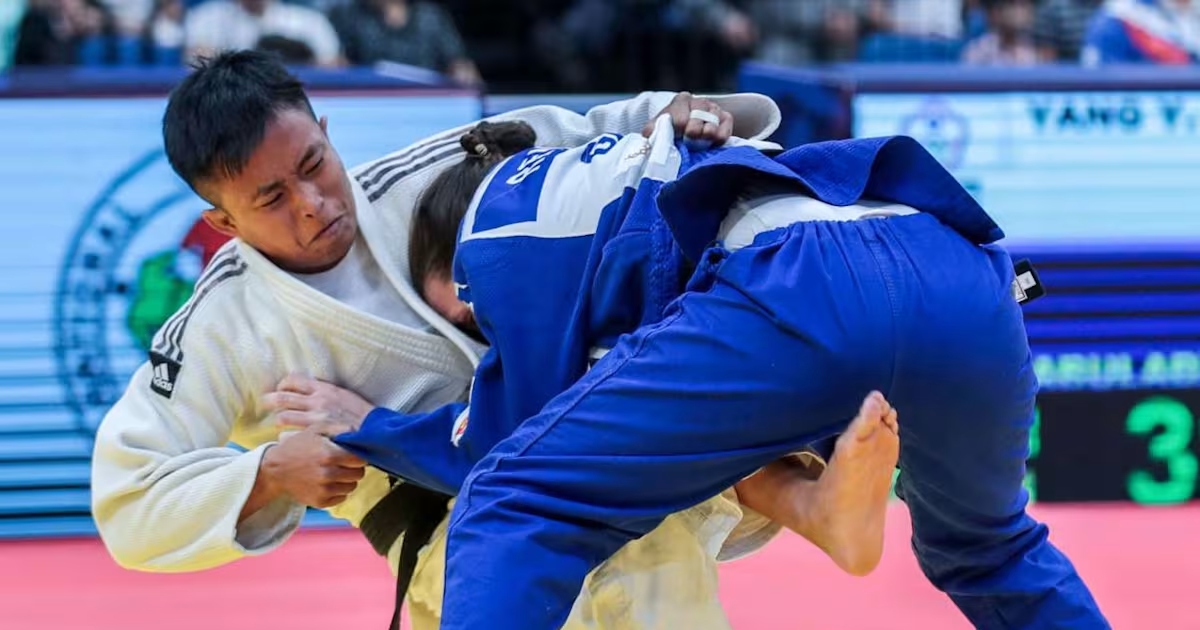
The future of Judo looks very promising as the sport continues to grow worldwide. More countries are taking part, and its popularity is increasing in schools, encouraging young players to learn it early. The use of modern technology, such as improved scoring systems and video reviews, is making matches fairer and more accurate. There is also a rise in women’s participation, with more female athletes joining and excelling in the sport. Judo remains important in global events like the Olympics, where it has a strong presence. In India, Judo has great potential to win Olympic medals, but better training facilities and infrastructure are needed for further growth.
Conclusion
Judo is more than just a sport it is a way of life. It teaches us discipline, respect, and smart thinking. Unlike many sports, it focuses on using skill instead of strength.
From its origin in Japan to becoming an Olympic sport, Judo has grown across the world. It helps players become physically strong and mentally confident. Although it has challenges, the benefits are much greater.
With growing interest worldwide and in India, Judo has a bright future. If properly supported, it can produce many champions and inspire millions of young people.
In simple words, Judo teaches us how to win with intelligence, respect, and balance both on the mat and in life.
FAQs on Judo:
- What is Judo?
Judo is a Japanese martial art that focuses on throws, holds, and self-defense. - Who invented Judo?
Judo was invented by Jigoro Kano in 1882. - What is the aim of Judo?
The aim is to throw or control the opponent and win by skill. - Is Judo an Olympic sport?
Yes, Judo has been an Olympic sport since 1964. - What is a Judo uniform called?
It is called a Judogi. - How many players are in a Judo match?
A Judo match is played between two players. - What are the main techniques in Judo?
Throwing, grappling, and submission techniques. - What is an ippon in Judo?
It is a full point that gives instant victory. - Can beginners learn Judo easily?
Yes, with practice and guidance, beginners can learn it. - What are the benefits of Judo?
It improves fitness, discipline, confidence, and self-defense skills.