


Marine Pollution: Causes, Effects and Solutions to Protect Our Oceans

Marine Pollution is one of the biggest environmental challenges facing the world today. Oceans cover more than 70% of the Earth’s surface and play a vital role in maintaining life on our planet. They provide food, oxygen, transportation routes, employment opportunities, and help regulate the Earth’s climate. However, increasing human activities have severely damaged marine ecosystems through pollution, overfishing, climate change, and habitat destruction.
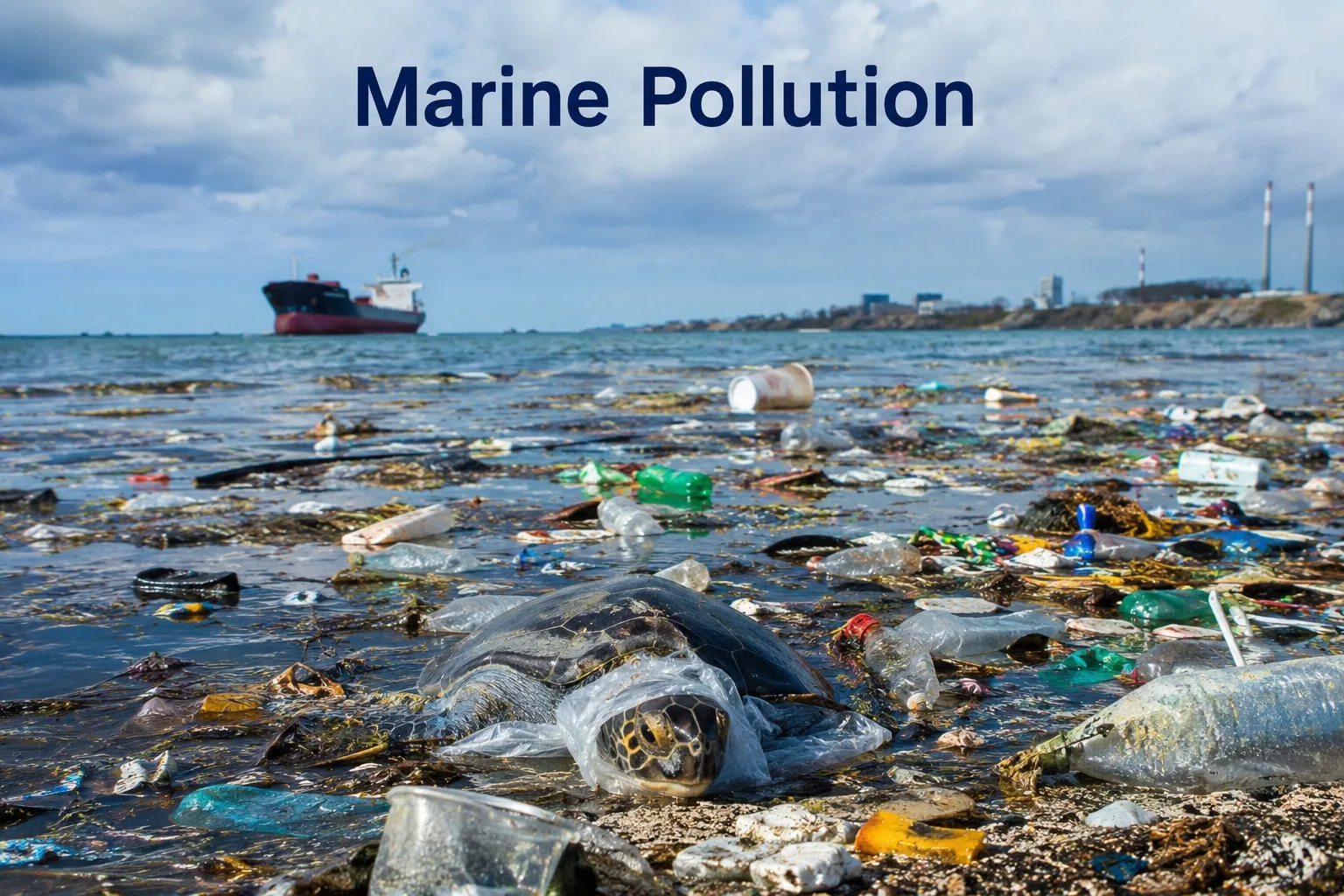
Marine pollution refers to the introduction of harmful substances such as plastic waste, oil, chemicals, sewage, and industrial waste into oceans, seas, and coastal waters. These pollutants harm marine life, damage ecosystems, and affect human health and livelihoods.

Importance of Oceans
Oceans are often called the “lungs of the Earth” because they produce a large portion of the oxygen we breathe. They absorb carbon dioxide from the atmosphere and help control global temperatures. More than three billion people around the world depend directly on marine and coastal resources for their livelihood.
Healthy oceans support biodiversity, fisheries, tourism, transportation, and economic growth. Therefore, protecting oceans is essential for sustainable development and the well-being of future generations.
Major Causes of Marine Pollution
1. Sewage and Wastewater
One of the main causes of marine pollution is untreated sewage. Wastewater from homes, hospitals, and industries often flows into rivers and eventually reaches the oceans. This sewage contains harmful bacteria, chemicals, and organic waste that pollute marine environments.
Poor sewage management in many developing regions increases the risk of water contamination and disease outbreaks.
2. Industrial Waste
Many industries discharge toxic chemicals and waste into nearby water bodies. These pollutants include heavy metals, acids, and harmful chemicals that eventually reach oceans.
Industrial pollution can increase water temperature, causing thermal pollution. Many marine species cannot survive in warmer waters, resulting in habitat loss and declining populations.
3. Agricultural Runoff
Agricultural activities contribute significantly to marine pollution. Rainwater washes fertilizers, pesticides, and animal waste from farms into rivers and coastal waters.
These substances contain nutrients such as nitrogen and phosphorus that encourage excessive algae growth. This process creates oxygen-depleted areas where marine life struggles to survive.
4. Oil Spills
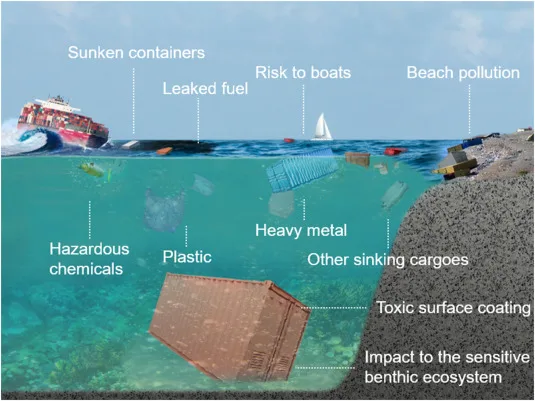
Oil spills are among the most visible forms of marine pollution. They occur due to accidents involving oil tankers, offshore drilling platforms, and pipelines.
Oil spreads across the water surface, blocking sunlight and reducing oxygen exchange. Marine birds, fish, turtles, and mammals often die after exposure to oil contamination.
5. Ocean Mining
Mining activities in deep-sea areas extract valuable minerals such as gold, silver, copper, cobalt, and zinc. These operations disturb ocean ecosystems and release sediments and toxic substances into the water.
The long-term environmental impacts of deep-sea mining remain a major concern for scientists.
6. Plastic Pollution
Plastic pollution has become one of the most serious threats to marine ecosystems. Millions of tons of plastic waste enter oceans every year.
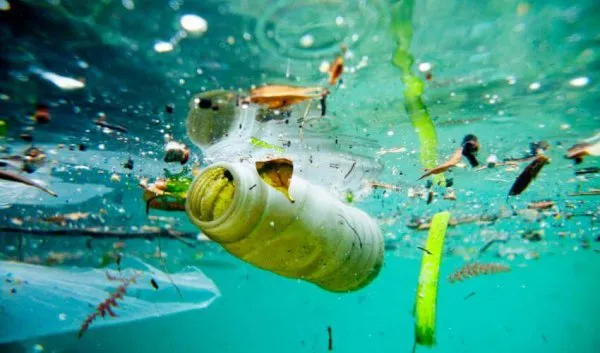
Plastic bottles, bags, fishing nets, and packaging materials float in the sea for decades. Over time, they break into tiny particles known as microplastics.
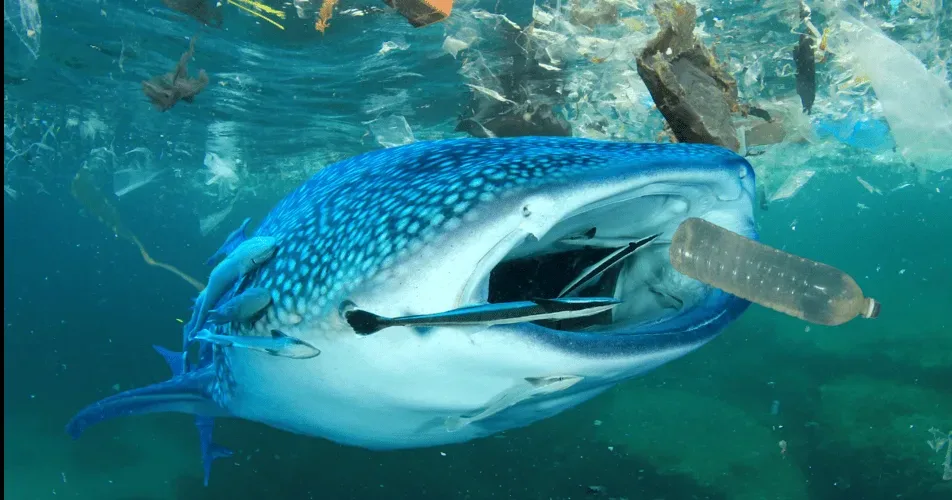
Marine animals often mistake plastic for food, leading to injury, starvation, or death. Microplastics have now been found in fish, sea salt, and even human bodies.
7. Climate Change and Ocean Acidification
Increasing carbon dioxide emissions from human activities are affecting ocean chemistry. Oceans absorb large amounts of carbon dioxide, making seawater more acidic.
This process, known as ocean acidification, damages coral reefs and shell-forming marine organisms. Rising ocean temperatures also affect fish populations and marine ecosystems.
8. Coastal Development and Tourism
Rapid urbanization, tourism projects, ports, harbors, and construction activities near coastlines contribute to marine pollution.
These developments often destroy natural habitats such as mangroves, wetlands, and coral reefs that protect coastal ecosystems.
Effects of Marine Pollution
Marine pollution affects not only marine organisms but also human communities that depend on ocean resources.
Impact on Marine Animals
Toxic chemicals can accumulate in marine organisms over time. Long-term exposure may cause:
- Cancer
- Reproductive disorders
- Growth abnormalities
- Behavioral changes
- Premature death
Many species face increasing threats due to pollution-related habitat degradation.
Coral Reef Damage
Coral reefs are among the most diverse ecosystems on Earth. Oil spills and chemical pollutants reduce sunlight penetration, affecting photosynthesis and coral growth.
Damaged coral reefs support fewer fish and marine species, reducing biodiversity.
Oxygen Depletion
Large amounts of waste and organic matter consume oxygen as they decompose in water.
Low oxygen levels make survival difficult for marine animals such as:
| Marine Animals Affected |
|---|
| Whales |
| Dolphins |
| Sharks |
| Sea Turtles |
| Fish Species |
| Crustaceans |
When oxygen becomes extremely low, “dead zones” develop where most marine life cannot survive.
Eutrophication
Eutrophication occurs when excessive nutrients enter water bodies.
| Causes of Eutrophication | Results |
| Fertilizer runoff | Rapid algae growth |
| Sewage discharge | Reduced sunlight |
| Nutrient pollution | Oxygen depletion |
| Agricultural waste | Fish deaths |
This process can destroy entire aquatic ecosystems.
Disruption of Food Chains
Small marine organisms absorb pollutants from contaminated water. Larger predators consume these organisms, causing toxins to move up the food chain.
Eventually, humans may consume contaminated seafood, creating health risks.
Economic Losses
Marine pollution affects industries such as:
| Sector | Impact |
| Fisheries | Reduced fish populations |
| Tourism | Polluted beaches |
| Shipping | Environmental cleanup costs |
| Coastal Communities | Loss of livelihood |
These economic losses can affect millions of people worldwide.
Global Efforts to Combat Marine Pollution
Global Programme of Action (GPA)
The Global Programme of Action for the Protection of the Marine Environment from Land-Based Activities focuses on reducing pollution from terrestrial sources.
It promotes cooperation between countries to protect freshwater, coastal, and marine ecosystems.
MARPOL Convention
The MARPOL Convention was adopted to prevent marine pollution from ships.
It addresses pollution caused by:
- Oil
- Harmful liquid substances
- Sewage
- Garbage
- Hazardous packaged materials
London Convention
The London Convention aims to control the dumping of waste into oceans.
Its goal is to protect marine environments from harmful disposal activities.
Greenpeace
Greenpeace works globally to protect oceans and marine biodiversity.
Its campaigns have contributed to:
- Whale conservation
- Sustainable fishing practices
- Marine protected areas
- Public awareness about ocean pollution
Solutions to Prevent Marine Pollution
Promote Renewable Energy
Using renewable energy sources such as solar and wind power can reduce dependence on offshore oil drilling and lower environmental risks.
Improve Waste Management
Governments should strengthen waste collection, recycling, and disposal systems to prevent garbage from reaching oceans.
Better Sewage Treatment
Modern wastewater treatment facilities can remove harmful pollutants before water is released into rivers and seas.
Sustainable Agriculture
Farmers can reduce marine pollution by:
- Using organic fertilizers
- Reducing pesticide use
- Adopting eco-friendly farming methods
Reduce Plastic Use
Individuals can help by:
- Avoiding single-use plastics
- Using reusable bags and bottles
- Recycling plastic waste
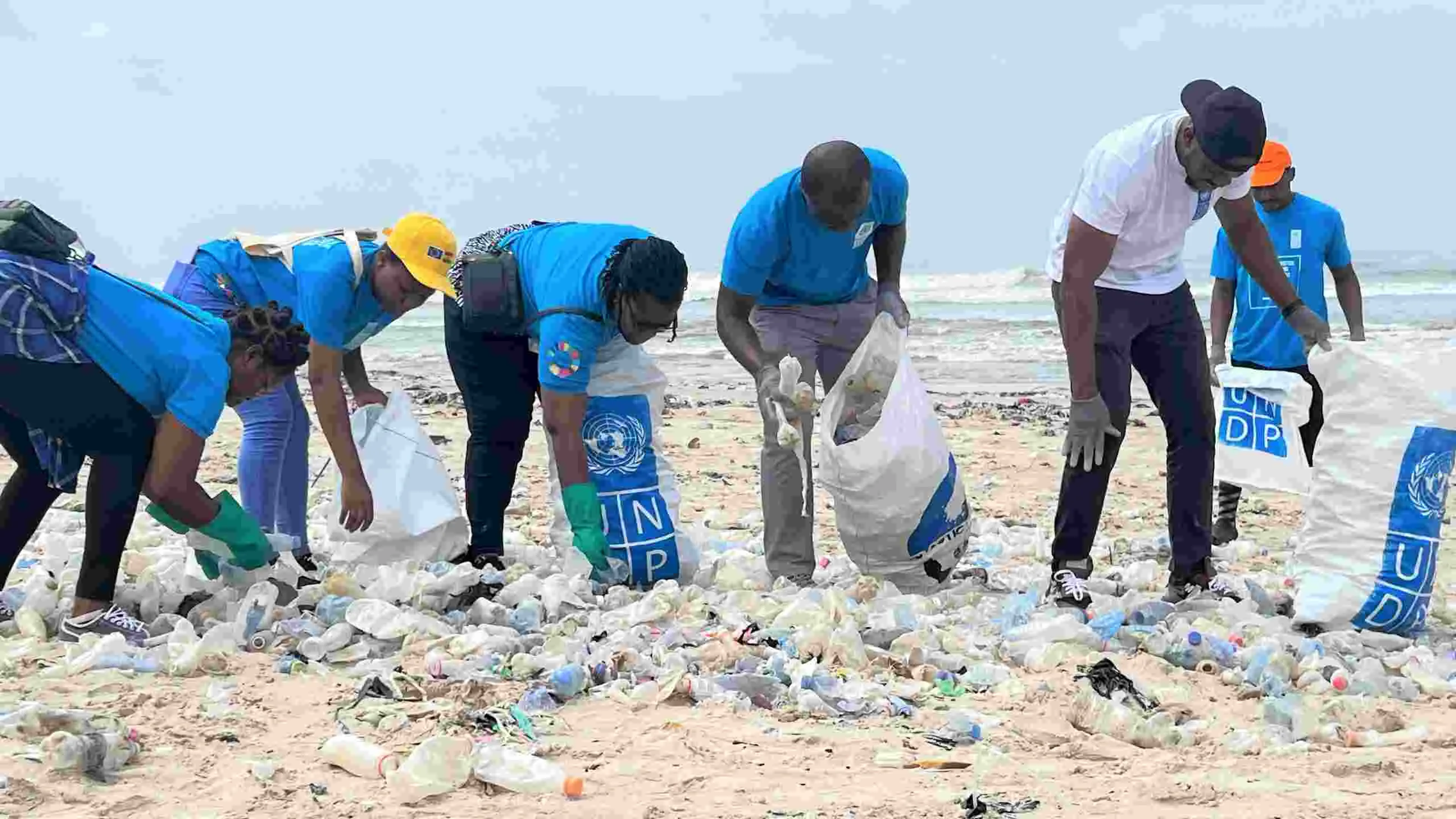
- Participating in beach clean-up programs
Use Biotechnology
Bioremediation uses microorganisms to break down pollutants such as oil and toxic chemicals, offering an environmentally friendly cleanup method.
Support International Cooperation
Marine pollution crosses national boundaries. Countries must work together through international agreements to reduce pollution and protect marine ecosystems.
Role of Individuals
Every person can contribute to cleaner oceans by adopting environmentally responsible habits:
- Save water
- Reduce waste
- Recycle materials
- Avoid littering
- Use eco-friendly products
- Support conservation programs
- Reduce carbon emissions
Small actions taken by millions of people can create significant positive change.
Sustainable Development Goal 14
The United Nations established Sustainable Development Goal 14, which focuses on conserving and sustainably using oceans, seas, and marine resources.
The goal aims to reduce marine pollution, protect ecosystems, support sustainable fisheries, and improve ocean health for future generations.
Protecting oceans is not only an environmental responsibility but also an economic and social necessity. Healthy oceans ensure food security, climate stability, biodiversity conservation, and sustainable livelihoods for billions of people around the world.
FAQs
Q1. What is marine pollution?
Marine pollution is the contamination of oceans and seas by harmful substances such as plastic, oil, chemicals, sewage, and industrial waste.
Q2. What is the biggest source of marine pollution?
Land-based activities such as sewage discharge, plastic waste, agricultural runoff, and industrial pollution are the biggest sources.
Q3. How does plastic affect marine life?
Marine animals often eat plastic or become trapped in it, leading to injury, starvation, and death.
Q4. What is ocean acidification?
Ocean acidification is the increase in ocean acidity caused by the absorption of carbon dioxide from the atmosphere.
Q5. What are dead zones in oceans?
Dead zones are areas with very low oxygen levels where most marine organisms cannot survive.
Q6. How can individuals help reduce marine pollution?
People can reduce plastic use, recycle waste, save water, use eco-friendly products, and participate in beach clean-up activities.
Q7. Why are oceans important for humans?
Oceans provide food, oxygen, jobs, climate regulation, transportation routes, and support global biodiversity.