



Forest Rights Act 2006: History, Rights and Implementation

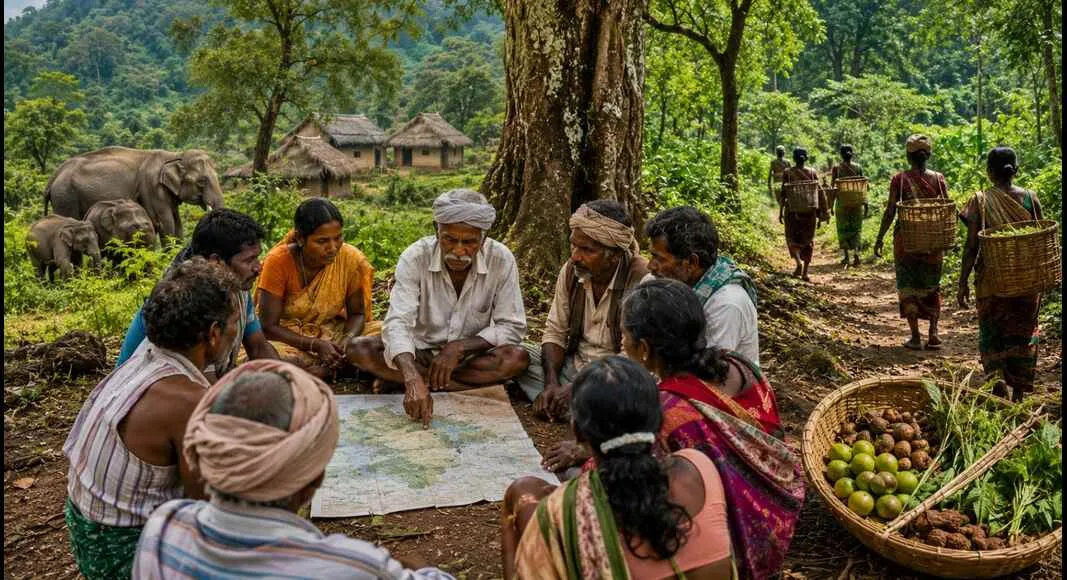
Forest Rights Act, 2006 is one of the most important laws related to tribal communities and forest dwellers in India. The Act was passed by the Government of India to recognize and protect the rights of people who have been living in forests for generations. These communities depend on forests for food, shelter, livelihood, culture, and traditions.
For many years, forest-dwelling communities, especially Scheduled Tribes, were denied legal rights over the lands and resources they traditionally used. The Forest Rights Act, 2006 was introduced to correct this historical injustice and provide legal recognition to their rights.

The Act is officially known as the Scheduled Tribes and Other Traditional Forest Dwellers (Recognition of Forest Rights) Act, 2006. It not only protects the rights of tribal communities but also promotes sustainable forest management and conservation.
In recent years, the Act has remained in the news due to court judgments, disputes over land rights, environmental concerns, and debates regarding wildlife conservation and tribal welfare.
Historical Background of Forest Rights in India
For centuries, tribal communities and other traditional forest dwellers lived in forests and maintained a close relationship with nature. Their lives depended on forests for:
- Food
- Water
- Fuelwood
- Medicinal plants
- Grazing land
- Housing materials
These communities developed traditional methods of using forest resources without causing major damage to the environment.
Colonial Period
The situation changed during British rule. The colonial government viewed forests mainly as sources of revenue and raw materials.
Several forest laws were introduced:
- Indian Forest Act, 1865
- Indian Forest Act, 1878
- Indian Forest Act, 1927
These laws brought large forest areas under government control.
As a result:
- Tribal communities lost access to forests.
- Traditional rights were restricted.
- Local communities were treated as encroachers on lands they had lived on for generations.
The main objective of colonial forest policies was commercial exploitation rather than community welfare.
Situation After Independence
Even after India became independent in 1947, many colonial forest laws remained in force.
Although forests were protected for environmental reasons, the rights of tribal people were often ignored.
Many communities:
- Lost access to forest land.
- Faced displacement due to development projects.
- Were denied ownership rights.
- Experienced conflicts with forest departments.
To address these issues, the Government of India enacted the Forest Rights Act, 2006.
Why Was the Forest Rights Act, 2006 Needed?
The Act was introduced to solve several long-standing problems.
Correcting Historical Injustice
Millions of tribal people were living in forests without legal recognition of their rights.
The Act seeks to correct this injustice.
Protecting Livelihoods
Forest dwellers depend on forests for survival. Without legal rights, their livelihoods remained uncertain.
Reducing Conflicts
Disputes between local communities and forest authorities were common. Legal recognition helps reduce such conflicts.
Strengthening Forest Conservation
Local communities have protected forests for generations. Giving them rights encourages better forest management.
Supporting Tribal Welfare
The Act ensures social and economic justice for marginalized communities.
Related Laws and Policies
Wildlife Protection Act, 1972
The Wildlife Protection Act aims to protect wild animals, birds, and plants.
Key features:
- Prohibits hunting of protected species.
- Regulates wildlife trade.
- Establishes national parks and wildlife sanctuaries.
While this law focuses on wildlife conservation, the Forest Rights Act focuses on community rights.
National Forest Policy, 1988
The policy emphasizes:
- Environmental stability
- Forest conservation
- Afforestation
- Public participation
It recognizes the importance of involving local communities in forest protection.
Panchayats (Extension to Scheduled Areas) Act, 1996 (PESA)
PESA gives powers to Gram Sabhas in tribal areas.
The Act helps:
- Protect tribal customs and traditions.
- Manage community resources.
- Participate in land acquisition decisions.
- Preserve cultural identity.
PESA and the Forest Rights Act complement each other.
Objectives of the Forest Rights Act, 2006
The main objectives are:
- Recognize rights of forest-dwelling communities.
- Ensure livelihood security.
- Promote sustainable forest use.
- Protect biodiversity.
- Strengthen community participation.
- Correct historical injustices.
Major Features of Forest Rights Act, 2006
The Act recognizes rights of:
- Forest Dwelling Scheduled Tribes (FDST)
- Other Traditional Forest Dwellers (OTFD)
These rights are granted only to people who have been living in forests for generations and depend on them for livelihood.
Types of Rights Under the Act
The Act identifies four major categories of rights.
1. Title Rights
Title rights provide ownership over land that is already being cultivated by forest dwellers.
Important points:
- Maximum limit is 4 hectares.
- No new land is granted.
- Rights apply only to land already under cultivation.
This gives legal security to families living on forest land.
2. Use Rights
These rights allow people to use forest resources.
Examples include:
- Collection of minor forest produce
- Grazing rights
- Access to water bodies
- Traditional routes for pastoral communities
Minor forest produce includes:
- Bamboo
- Honey
- Fruits
- Leaves
- Medicinal plants
These products are important sources of income.
3. Relief and Development Rights
These rights provide protection against displacement and eviction.
Communities may receive:
- Rehabilitation support
- Housing facilities
- Basic infrastructure
- Compensation in certain cases
These rights improve living conditions.
4. Forest Management Rights
Communities are empowered to:
- Protect forests
- Regenerate degraded forests
- Conserve biodiversity
- Manage community forest resources
This is one of the most significant provisions of the Act.
Who Can Claim Forest Rights?
Not everyone can claim rights under the Act.
Eligible groups include:
Scheduled Tribes
A person must:
- Belong to a Scheduled Tribe.
- Live in forest areas.
- Depend on forests for livelihood.
Other Traditional Forest Dwellers
A person must prove:
- Residence in forest areas for at least 75 years before 13 December 2005.
- Dependence on forests for livelihood.
This condition makes eligibility stricter for non-tribal forest dwellers.
Role of Gram Sabha
The Gram Sabha plays a central role in the implementation of the Act.
It is responsible for:
- Receiving claims.
- Verifying evidence.
- Identifying beneficiaries.
- Recommending rights.
Since all village members participate, the process becomes more democratic and transparent.
Procedure for Claiming Rights
The process involves several steps.
Step 1: Submission of Claims
Individuals or communities submit applications to the Gram Sabha.
They provide evidence of:
- Residence
- Cultivation
- Dependence on forests
Step 2: Gram Sabha Verification
The Gram Sabha examines claims and prepares recommendations.
Step 3: Sub-Divisional Committee Review
Claims are reviewed at the sub-divisional level.
Objections and appeals may be considered.
Step 4: District Level Committee
The District Level Committee makes the final decision.
The committee includes:
- Government officials
- Elected representatives
Its decision is considered final.
Importance of Forest Rights Act, 2006
The Act has transformed forest governance in India.
Recognition of Tribal Rights
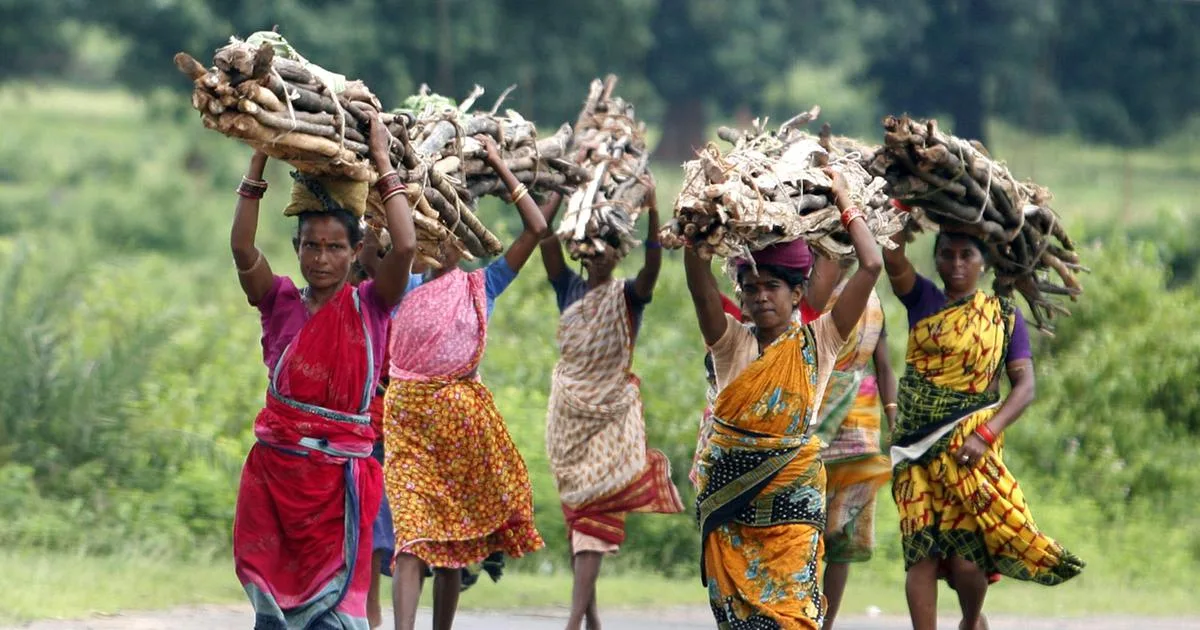
For the first time, tribal communities received legal recognition of traditional rights.
Livelihood Security
Millions of people depend on forests for survival.
The Act protects their livelihood sources.
Better Forest Conservation
Local communities often possess deep knowledge about forests.
Their participation helps:
- Prevent illegal logging
- Protect biodiversity
- Improve sustainability
Reduction in Social Conflict
Legal recognition reduces disputes between:
- Communities
- Forest departments
- Government agencies
Strengthening Democracy
The Act empowers Gram Sabhas and local communities.
Decision-making becomes more decentralized.
Protection of Indigenous Culture
Forests are closely linked to tribal culture.
Protecting forest rights also protects:
- Traditions
- Languages
- Customs
- Cultural heritage
Community Forest Rights (CFR)
Community Forest Rights are among the most important provisions of the Act.
They allow entire communities to:
- Manage forests collectively.
- Use forest resources sustainably.
- Protect wildlife.
- Prevent illegal activities.
Many experts believe CFR can significantly improve forest governance.
Forest Rights Act and Naxalism
Many tribal regions affected by Naxalism suffer from:
- Poverty
- Land alienation
- Lack of development
By recognizing rights and reducing grievances, the Act can contribute to peace and social inclusion.
States such as:
have seen efforts to use the Act as a tool for tribal empowerment.
Supreme Court and Forest Rights Act
The Act has frequently been discussed in courts.
A major controversy arose when the Supreme Court directed states to remove people whose claims had been rejected under the Act.
This triggered protests from:
- Tribal organizations
- Civil society groups
- Forest rights activists
They argued that:
- Many claims were rejected unfairly.
- Proper procedures were not followed.
- Natural justice should be ensured before eviction.
The debate highlighted the balance between:
- Wildlife conservation
- Human rights
- Tribal welfare
Challenges in Implementing the Forest Rights Act
Despite Forest Rights Act importance, implementation remains difficult.
Administrative Apathy
Many state governments have not implemented the Act effectively.
Problems include:
- Delays
- Poor verification
- Lack of commitment
Lack of Awareness
Many beneficiaries are unaware of:
- Their rights
- Application procedures
- Appeal mechanisms
Even local officials sometimes lack proper understanding of the law.
High Rejection Rates
Large numbers of claims have been rejected.
In many cases:
- Documentation was inadequate.
- Verification was weak.
- Genuine claims were denied.
Weak Community Rights Recognition
Individual rights often receive more attention than community rights.
Community Forest Rights remain under-recognized in many states.
Resistance from Forest Bureaucracy
Some officials fear losing control over forest resources.
This has slowed implementation in several regions.
Technical and Institutional Problems
Gram Sabhas often face challenges such as:
- Lack of maps
- Poor record keeping
- Limited training
- Lack of technical support
These issues make claim processing difficult.
Corporate and Development Pressures
Forest lands are often targeted for:
- Mining
- Industries
- Infrastructure projects
Such interests may conflict with community rights.
Environmental Concerns
Some environmental groups worry that granting land rights may increase deforestation.
However, many studies suggest that:
- Communities often protect forests better than external agencies.
- Traditional practices support sustainable resource use.
- Community participation strengthens conservation.
Therefore, balancing conservation and community rights is essential.
Steps Needed for Better Implementation
Several measures can improve the effectiveness of the Act.
Increase Awareness
Awareness campaigns should be conducted among:
- Tribal communities
- Forest officials
- Local governments
Strengthen Gram Sabhas
Training and capacity building should be provided.
Gram Sabhas need:
- Technical support
- Maps
- Documentation assistance
Improve Transparency
The claim process should be transparent and accountable.
All decisions should be properly documented.
Recognize Community Rights
Greater focus should be placed on Community Forest Rights.
This will strengthen local forest governance.
Faster Settlement of Claims
Claims should be resolved within a reasonable time frame.
Long delays create uncertainty for beneficiaries.
Better Coordination
Different departments should work together:
- Forest Department
- Tribal Affairs Department
- Revenue Department
- Local Governments
Encourage Community Conservation
Local communities should be treated as partners in conservation rather than as threats to forests.
Conclusion
Forest Rights Act, 2006 is a landmark legislation that seeks to correct historical injustices faced by tribal communities and traditional forest dwellers. It recognizes their rights over land, forest resources, and community management while promoting sustainable conservation.
The Act provides livelihood security, strengthens local democracy, protects indigenous culture, and encourages community participation in forest governance. However, challenges such as poor implementation, lack of awareness, bureaucratic resistance, and delays in claim settlement continue to limit its full potential.
For the Act to achieve its objectives, governments, local institutions, and communities must work together. Effective implementation, stronger Gram Sabhas, greater awareness, and recognition of community rights can ensure that both forest conservation and tribal welfare move forward together.
The Forest Rights Act, 2006 remains one of India’s most important laws for social justice, environmental protection, and inclusive development.
FAQs on Forest Rights Act, 2006
1. What is the Forest Rights Act, 2006?
The Forest Rights Act, 2006 is a law that recognizes the rights of Scheduled Tribes and traditional forest dwellers over forest land and resources.
2. Why was the Forest Rights Act introduced?
It was introduced to correct the historical injustice faced by forest-dwelling communities whose rights were not recognized for many years.
3. Who can claim rights under the Forest Rights Act?
Scheduled Tribes and Other Traditional Forest Dwellers who have been living in and depending on forests for their livelihood can claim rights.
4. What are Individual Forest Rights (IFR)?
Individual Forest Rights provide legal ownership of forest land that a family has been cultivating, up to a maximum of 4 hectares.
5. What are Community Forest Rights (CFR)?
Community Forest Rights allow villages and communities to protect, manage, and use forest resources collectively.
6. What is the role of the Gram Sabha under the Act?
The Gram Sabha verifies claims, identifies beneficiaries, and recommends forest rights to eligible people.
7. Can forest land obtained under the Act be sold?
No. Land recognized under the Forest Rights Act cannot be sold or transferred.
8. What are Minor Forest Produce (MFP) rights?
These rights allow forest dwellers to collect and use products such as bamboo, honey, fruits, leaves, and medicinal plants.
9. How does the Forest Rights Act help forest conservation?
The Act encourages local communities to protect forests, conserve biodiversity, and use resources sustainably.
10. What are the major challenges in implementing the Forest Rights Act?
Major challenges include lack of awareness, delayed claim processing, administrative issues, and inadequate recognition of community rights.