



Poland-UK Defence Plan: Three-Year Pact

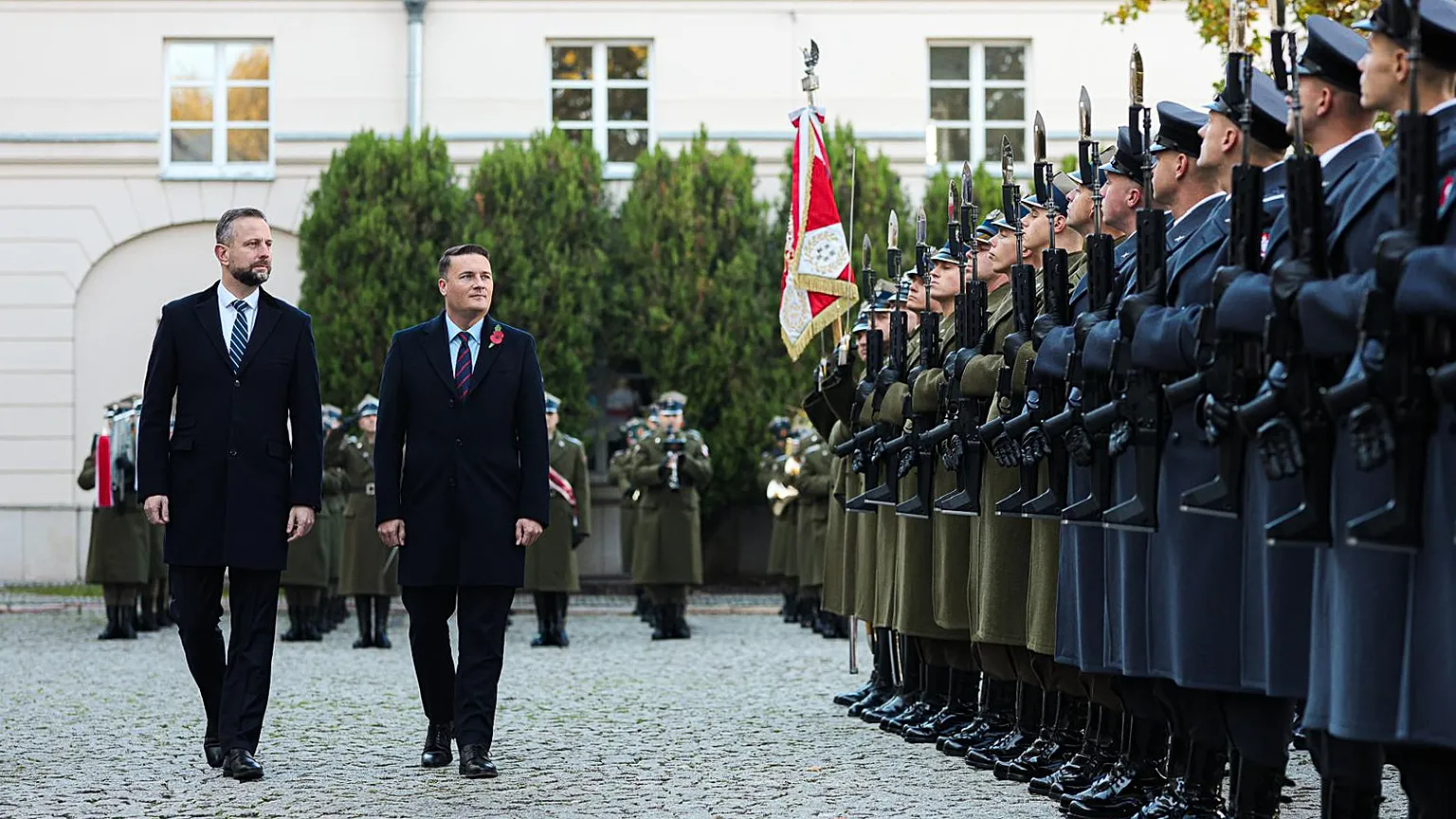
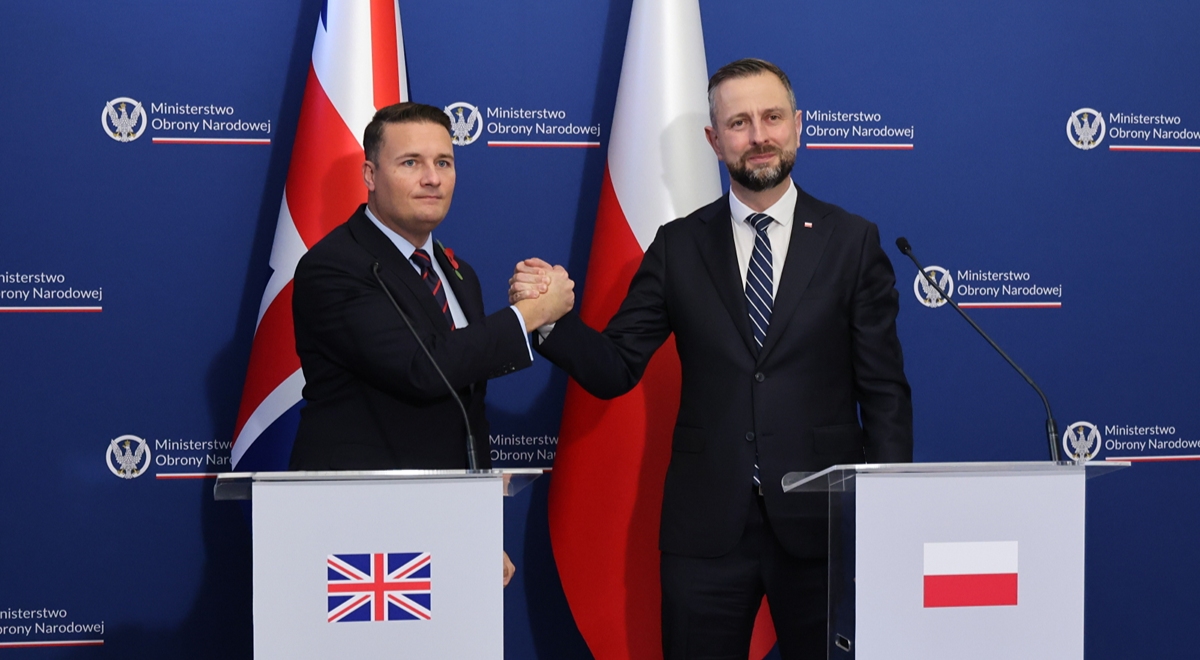
Poland-UK Defence Plan is a three-year defence cooperation agreement signed by Poland and the United Kingdom in Warsaw on 27 October 2026. Known as the Warsaw Defence Plan, the agreement aims to strengthen military cooperation, improve defence technology and respond to changing security challenges in Europe. It covers naval operations, air defence, cyber security, drone technology, military exercises and joint defence production. The plan follows the UK-Poland Security and Defence Partnership Treaty, also known as the Northolt Treaty, signed by the two countries’ prime ministers on 27 May 2026.
What Is the Warsaw Defence Plan?
The Warsaw Defence Plan provides a framework for closer military cooperation between Poland and the UK over three years. It was signed by Polish Deputy Prime Minister and Defence Minister Władysław Kosiniak-Kamysz and UK Defence Secretary Wes Streeting.

The agreement puts the commitments of the Northolt Treaty into practice through specific areas of cooperation. Both countries aim to improve their ability to respond to security threats across land, sea, air and cyberspace.
The plan also focuses on strengthening defence industries and developing technologies that can support modern military operations. These include artificial intelligence (AI), unmanned aerial vehicles, anti-drone systems and other tools used to detect and respond to potential threats.
Joint military exercises and closer coordination are also expected to help the two countries improve their readiness and share operational experience.
Cooperation in Naval and Air Defence
Naval security is one of the main areas covered by the Poland-UK Defence Plan. Both countries intend to increase joint defensive maritime activity, particularly in the Baltic Sea, an important region for European security and trade.
The agreement includes cooperation linked to Poland’s Miecznik naval programme, which involves the construction of multi-purpose frigates. Frigates are warships used for tasks such as maritime patrol, escort operations and defence against different types of threats.
Air defence is another important part of the agreement. Poland’s Narew, Pilica and Pilica+ programmes are included in plans for integrated air defence cooperation.
Integrated air defence combines different systems to detect, track and respond to aerial threats. These systems can play a role in responding to aircraft, missiles and unmanned aerial vehicles, depending on their capabilities.
The agreement also addresses the growing importance of counter-drone technology. Drones can be used for surveillance and other military tasks, but they can also create security risks when they enter restricted airspace or are used to target infrastructure.
Joint Ammunition Production and Defence Industry
The Poland-UK Defence Plan also aims to strengthen defence manufacturing. One of its stated priorities is the establishment of an independent production line for 155mm ammunition, a widely used artillery ammunition calibre.
Expanding production capacity can help improve the availability of ammunition and reduce pressure on existing supply chains. It can also create opportunities for industrial cooperation, technical knowledge sharing and investment.
Existing cooperation involving MBDA UK, BAE Systems and Poland’s PGZ forms part of the wider defence industry relationship. Poland has also procured the Narew air defence system from MBDA UK.
Closer coordination on procurement and manufacturing could help both countries develop defence capabilities while supporting their domestic industries. However, the practical results will depend on implementation, production capacity and the resources committed to the planned programmes.
Responding to Security Challenges in Europe
The agreement comes amid continuing security concerns in Europe following Russia’s invasion of Ukraine and reports of hybrid activities affecting European countries.
Hybrid activity can include cyberattacks, disinformation, sabotage and other actions intended to create disruption without relying solely on conventional military force. Drone incursions have also prompted concerns about airspace security and the protection of critical infrastructure.
The plan aims to improve coordination against these challenges through military readiness, technology development and joint exercises.
Poland and the UK have also reaffirmed their support for Ukraine amid the ongoing conflict. Their cooperation reflects a shared interest in European security and in strengthening the ability of NATO members to respond to potential threats.
Poland and the UK Within NATO
Poland and the United Kingdom are both members of the North Atlantic Treaty Organization (NATO), the military alliance established to support collective defence among its members.
The UK was a founding member of NATO in 1949, while Poland joined the alliance in 1999. Their bilateral defence agreement adds another layer of cooperation alongside their commitments within NATO.
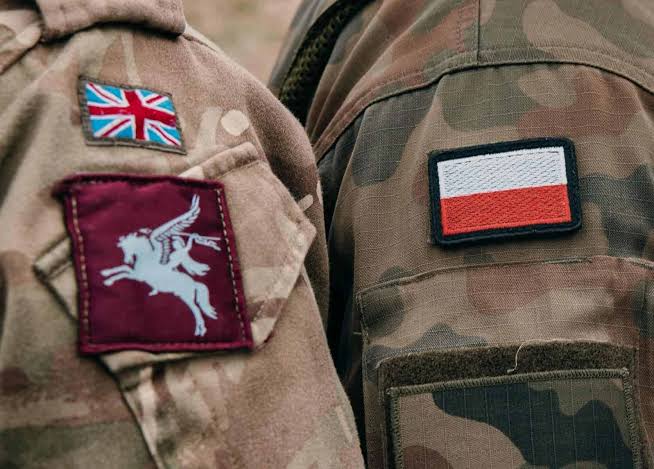
The plan also supports stronger European defence capabilities while maintaining the importance of the transatlantic relationship with the United States. It does not describe European defence development as a complete replacement for cooperation with the US.
By combining joint exercises, defence technology development, naval cooperation and industrial production, the Poland-UK Defence Plan aims to improve coordination between the two countries over the next three years.
Key Areas Covered by the Agreement
The Warsaw Defence Plan focuses on several connected areas of military and industrial cooperation:
- Maritime security: More joint defensive activity and coordination in the Baltic Sea.
- Air defence: Cooperation involving the Narew, Pilica and Pilica+ programmes.
- Naval development: Work linked to Poland’s Miecznik multi-purpose frigate programme.
- Emerging technology: Cooperation on AI, drones and anti-drone systems.
- Military exercises: Joint training to improve readiness and coordination.
- Defence manufacturing: Plans for an independent 155mm ammunition production line.
- Regional security: Coordination on threats, support for Ukraine and stronger European defence capabilities.
The agreement provides a framework for continued defence cooperation between two NATO members at a time when European countries are reviewing military readiness, ammunition supplies, air defence and the protection of critical infrastructure.