




Rare Blueberry Species Rediscovered in Arunachal Pradesh After 188 Years

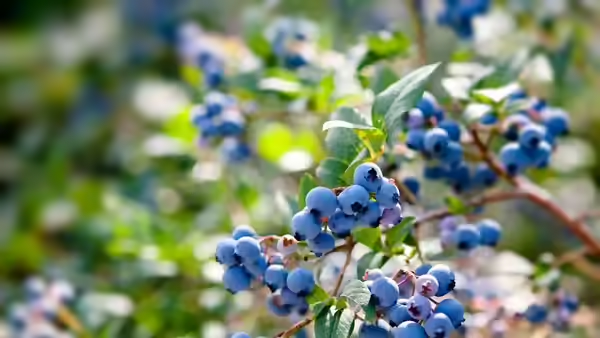
Rare Blueberry Species has been rediscovered in the forests of Arunachal Pradesh after nearly 188 years, bringing exciting news for botanists, conservationists, and nature lovers. The plant, known scientifically as Vaccinium piliferum, is a rare wild relative of the blueberry and was recently found during a scientific survey in the remote Vijoynagar region of Changlang district.
This remarkable discovery highlights the rich biodiversity of Northeast India and the importance of protecting fragile forest ecosystems. The finding has attracted attention from researchers across the country because the species had not been officially recorded for almost two centuries.

Rediscovery After Nearly Two Centuries
The rare plant was first collected in 1836 by British botanist William Griffith from the Mishmi Hills region. Later, it was recorded again in 1850 by famous botanists Joseph Dalton Hooker and T. Thomson from the Khasi Hills of present-day Meghalaya.
After that, no confirmed sightings of the species were reported. For 188 years, scientists believed that the plant might have become extremely rare or even disappeared from its natural habitat.
In 2026, researchers conducting field surveys in Arunachal Pradesh finally located the species again, making it one of the most significant botanical rediscoveries in recent years.
Where Was the Plant Found?
The plant was discovered in the dense forests of Vijoynagar in Changlang district, a remote area located near the Indo-Myanmar border.
Researchers found the species growing along small tributaries of the Noa-Dihing River at elevations between 1,150 and 1,280 meters above sea level.
The area is known for its rich plant diversity and forms part of the Eastern Himalaya biodiversity hotspot, one of the world’s most important ecological regions.
Scientists recorded only 16 individual plants within an area of approximately 2 square kilometers, showing how rare the species has become.
About Vaccinium piliferum
Vaccinium piliferum belongs to the genus Vaccinium and the Ericaceae family.
The same plant group includes blueberries, cranberries, and several berry-producing species found around the world.
Unlike cultivated blueberries, this species grows naturally in forest environments and appears as a climbing shrub. Its presence provides valuable information about the evolution and diversity of berry-producing plants.
Wild relatives of cultivated crops often contain unique genetic traits that can help scientists develop stronger and more climate-resilient plant varieties in the future.
Scientific Survey Behind the Discovery
The rediscovery was made during collaborative field surveys conducted by researchers from:
- Society for Education and Environmental Development (SEED)
- CSIR–North East Institute of Science and Technology (NEIST)
- Other partner research institutions
The team carefully explored remote forest areas and documented the plants using scientific methods. GPS coordinates of all identified plants were recorded to support future monitoring and conservation efforts.
The findings were later published in the scientific journal Feddes Repertorium on 18 May 2026.
Why This Discovery Matters
The rediscovery of the Rare Blueberry Species is important for several reasons.
Biodiversity Conservation
The finding confirms that rare species can still survive in protected and unexplored forest habitats. It also demonstrates the ecological importance of Arunachal Pradesh’s forests.
Scientific Value
Because the species is a wild relative of blueberry plants, it may hold valuable genetic information useful for future botanical research and crop improvement.
Environmental Awareness
The discovery highlights the need to conserve natural habitats that support rare and endangered species.
Importance of Northeast India
Northeast India continues to emerge as one of the most important regions for biodiversity research. Many rare plants and animals found in this region exist nowhere else in the world.
Conservation Challenges
Although the rediscovery is encouraging, scientists remain concerned about the future of the species.

Only 16 plants were identified during the survey, indicating an extremely small population. The species is already listed as Endangered on the International Union for Conservation of Nature (IUCN) Red List.
Habitat loss, climate change, forest degradation, and human activities can threaten such small populations.
Researchers have therefore recommended continuous monitoring, habitat protection, and further surveys to locate additional populations in nearby forest regions.
Arunachal Pradesh and Biodiversity
Arunachal Pradesh is often called India’s biodiversity treasure house. The state contains dense forests, mountain ecosystems, rivers, and unique climatic conditions that support thousands of plant and animal species.
Recent discoveries from the state continue to show that many areas remain scientifically unexplored. The rediscovery of Vaccinium piliferum adds another important chapter to the region’s environmental significance.
As India focuses more on biodiversity conservation and sustainable development, findings like this demonstrate why protecting natural ecosystems remains essential for future generations.
The rediscovery of this Rare Blueberry Species serves as a reminder that nature still holds many secrets waiting to be uncovered in the forests of the Eastern Himalayas.