



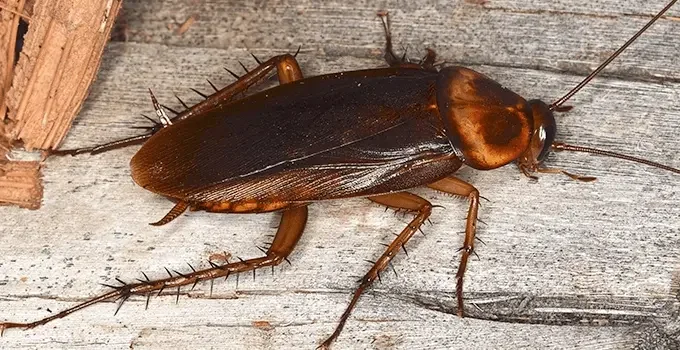
Cockroach Species India: Scientists Record 191 Species Across the Country

Cockroach Species India has become an important topic in biodiversity research after scientists confirmed that the country now has 191 recorded species of cockroaches. The latest study, published in the scientific journal Zootaxa, highlights India’s rich insect diversity and introduces the country’s first and largest DNA barcode reference library for cockroaches.
The research was conducted by experts from the Zoological Survey of India (ZSI) along with other scientific institutions. The findings show that more than 60 percent of India’s cockroach species are found only within the country, making them unique to Indian ecosystems.

India’s Rich Cockroach Diversity
Cockroaches are among the oldest insect groups on Earth. While many people associate them only with household pests, most cockroach species live in forests, grasslands, caves, and other natural habitats. They play an important role in maintaining ecological balance.
According to the new study, India now has 191 officially recorded cockroach species. Scientists also documented several previously unrecorded and endemic lineages during their research. This update strengthens India’s position as one of the world’s biodiversity-rich regions.
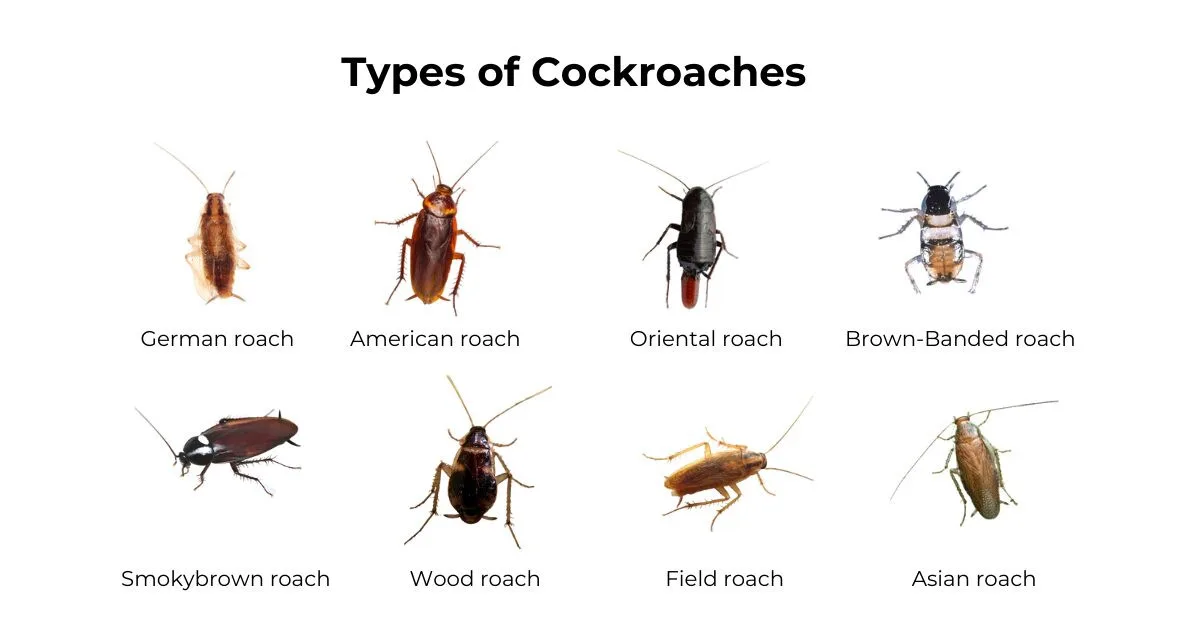
The discovery reflects the growing efforts of Indian researchers to identify and classify lesser-known insect species. As scientists continue field surveys and genetic studies, the number of known species may increase further in the coming years.
Largest DNA Barcode Library for Cockroaches
One of the major achievements of the study is the creation of India’s first and largest DNA barcode reference library for cockroaches.
Researchers generated more than 100 high-quality DNA barcodes. These genetic records help scientists accurately identify species and understand their evolutionary relationships.
DNA barcoding is a scientific method that uses a short genetic sequence from an organism’s DNA. In most cases, researchers study a specific gene known as mitochondrial cytochrome c oxidase I (COI). This genetic marker acts like a biological identification code.
The technique is especially useful when different species look very similar from the outside. DNA barcodes help researchers avoid confusion and improve classification accuracy.
Why DNA Barcoding Matters
Modern biodiversity research increasingly depends on genetic tools. Traditional identification methods mainly focus on physical characteristics such as size, shape, color, and body structure. However, some species may appear almost identical despite being genetically different.
DNA barcoding helps scientists:
- Identify species accurately
- Detect hidden or cryptic species
- Improve biodiversity databases
- Support wildlife conservation programs
- Reduce errors in taxonomy
The new reference library will become a valuable resource for future insect research in India. It can also assist environmental monitoring and conservation projects.
Institutions Behind the Study
The research was carried out through collaboration among several scientific institutions. Scientists from the Zoological Survey of India’s Western Regional Centre in Pune and Southern Regional Centre in Chennai played a leading role in the project.
Researchers from Prof. Ramkrishna More College also contributed to the study. The project forms part of a larger national effort to document India’s insect diversity using advanced scientific methods.
Such collaborations are becoming increasingly important as India expands research on biodiversity, climate change, and ecosystem conservation.
Ancient Origins of Some Species
The study suggests that certain endemic cockroach groups in India may have ancient biogeographical links dating back to Gondwana.
Gondwana was a massive supercontinent that existed millions of years ago. It included present-day India, Africa, South America, Antarctica, Australia, and Madagascar.
Scientists believe that some insect lineages may have evolved before these landmasses separated. As continents drifted apart over millions of years, unique species developed in different regions.
These findings provide valuable information about the historical movement of species and the evolution of biodiversity in India.
Important Ecological Role of Cockroaches
Although cockroaches often have a negative image, they perform several important ecological functions in nature.
They act as decomposers by breaking down dead plant material, fallen leaves, and organic waste. This process helps recycle nutrients back into the soil.
Cockroaches also contribute to:
- Nutrient cycling
- Soil health improvement
- Food chains in forest ecosystems
- Environmental monitoring as bioindicators
Their presence can provide scientists with useful information about habitat quality and ecosystem health.
Recent Discovery Adds to Species Count
Earlier in March 2026, scientists from the Zoological Survey of India discovered a new species called Neoloboptera peninsularis from the Deccan Peninsula near Nathachiwadi in Pune.
This discovery increased India’s documented cockroach species count to 190. The latest update has now raised the number to 191 species.
The finding highlights the fact that many insect species remain undocumented and that scientific exploration continues to reveal new information about India’s biodiversity.
Growing Focus on Biodiversity Research
India has recently increased efforts to document plants, insects, animals, and microorganisms through advanced research programs. New technologies such as DNA sequencing, artificial intelligence, and digital databases are helping scientists study biodiversity more efficiently.
The latest cockroach study demonstrates how genetic science is transforming species identification and conservation efforts. As researchers continue exploring remote habitats and analyzing genetic data, more discoveries are expected in the future.
The record of 191 cockroach species and the development of the country’s largest DNA barcode library mark another important step in understanding India’s vast natural heritage.