China Rare Earth Controls: Impact on India’s Automobile Sector

China Rare Earth Controls have emerged as a major challenge for India’s automobile industry, particularly as the nation ramps up efforts in electric vehicle (EV) production and advanced automotive technologies. Rare earth metals are the backbone of EV motors, sensors, and permanent magnets, but China’s recent tightening of export procedures has disrupted global supply chains. For India, this development highlights its heavy dependence on Chinese supplies and raises questions about how to secure long-term sustainability in its auto sector.
Thank you for reading this post, don't forget to subscribe!China’s Export Restrictions
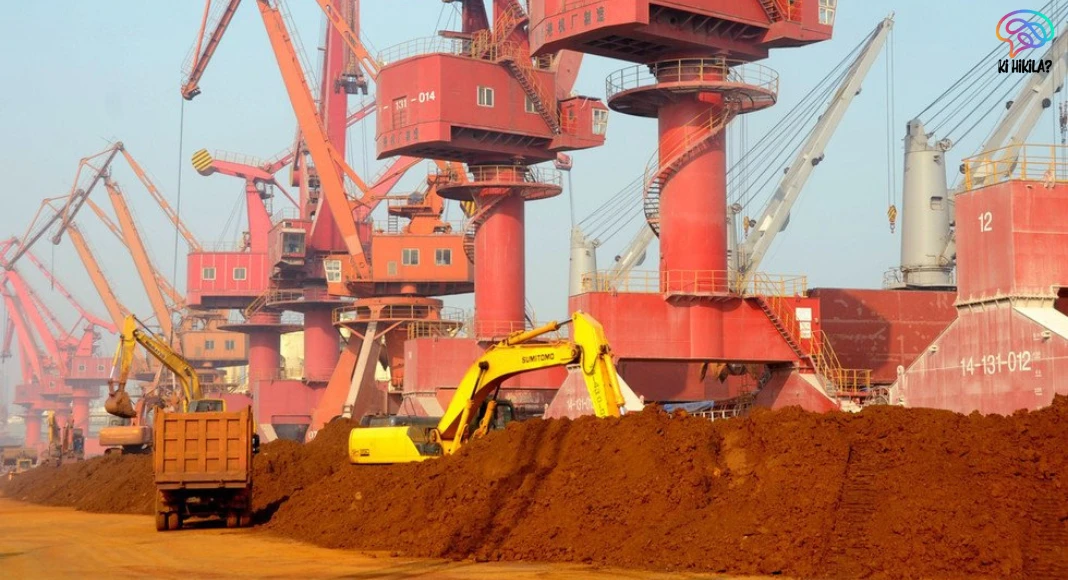
China has not announced an outright ban on rare earth exports but has introduced complex bureaucratic hurdles that slow down approvals. These delays particularly affect foreign companies, including Indian automakers. Critical minerals like neodymium, dysprosium, and terbium—vital for permanent magnets used in EV motors and precision sensors—are now harder to procure in predictable timelines. The uncertainty in accessing these resources has forced Indian manufacturers to rethink their designs and prioritize essential components.
Direct Impact on Indian Automakers
The effects of China Rare Earth Controls are already visible on the ground. For instance, Royal Enfield has temporarily removed gear position sensors that depend on rare earth magnets, citing supply disruptions. The company has assured customers that these features will be retrofitted once the supply normalizes. Similarly, other car manufacturers are redesigning vehicles to reduce reliance on non-essential rare earth-based components.
While these adjustments help maintain production, they also reveal the vulnerability of India’s auto industry to external supply shocks. In a sector where advanced technology and consumer expectations are rapidly evolving, such compromises can affect competitiveness in the global market.
Rising Demand for Rare Earth Magnets in India
The demand for permanent magnets in India has grown sharply, underscoring the urgency of the problem. From 12,400 tonnes in FY21, consumption has more than doubled to 28,700 tonnes in FY24. Imports surged by 88% in FY25, reaching 53,700 tonnes.
These magnets, particularly neodymium-iron-boron types, are indispensable due to their lighter weight and longer-lasting magnetic properties compared to conventional options. Their growing role in EV motors, renewable energy applications, and high-tech devices makes them central to India’s industrial growth strategy.
India’s Domestic Production Challenges
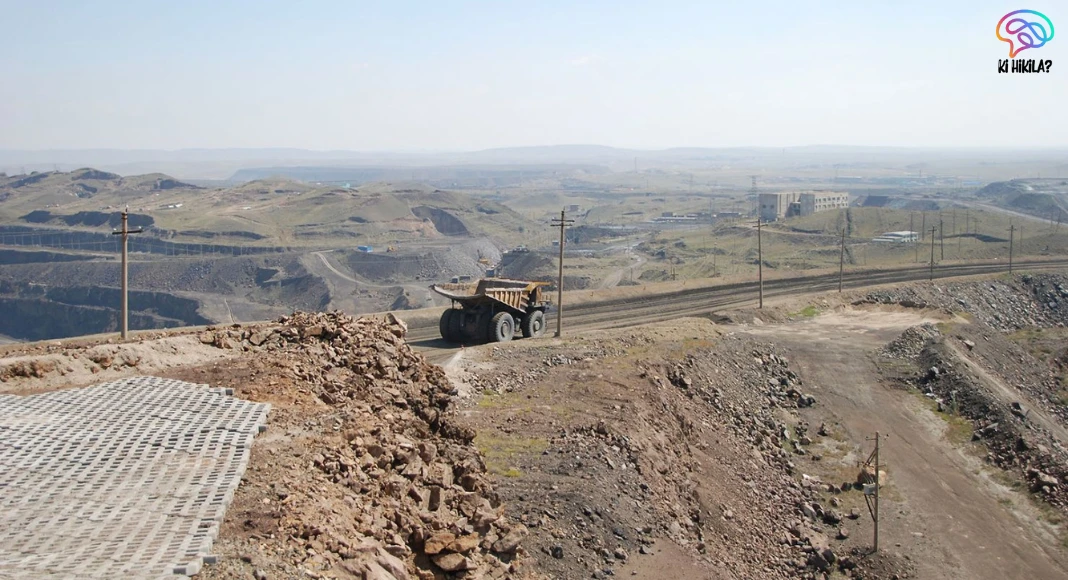
India does produce rare earth oxides through IREL (India) Ltd, a public sector unit under the Department of Atomic Energy. These include cerium, lanthanum, neodymium, and praseodymium. However, the challenge lies not in extraction but in processing. Converting oxides into alloys and high-performance magnets requires advanced technology and specialized infrastructure, areas where India lags behind China.
At present, India’s limited capacity to process these oxides means it remains heavily dependent on imports, especially from China, which dominates global rare earth refining. This technological gap presents both a challenge and an opportunity for India to accelerate investment in research and processing capabilities.
Geopolitical and Trade Dimensions
The China Rare Earth Controls also carry broader geopolitical implications. China has previously used rare earth exports as leverage in trade disputes, particularly against the US. Current restrictions appear to be part of a broader response to global trade tensions, tariffs, and diplomatic strains.
For India, the Ministry of External Affairs has initiated discussions with Chinese authorities to ease supply bottlenecks. While these talks may bring short-term relief, the uncertainty surrounding timelines and volumes of rare earth supplies makes it difficult for Indian automakers to plan production with confidence.
Technological and Strategic Implications
Rare earth metals are not just critical for today’s electric mobility push but also for India’s broader ambitions in renewable energy and advanced technology manufacturing. Supply disruptions threaten to increase costs, slow down EV adoption, and weaken India’s global competitiveness in a price-sensitive market.
To counter this, India must prioritize two strategies:
- Diversification of Sources – Partnering with countries like Australia, the US, and Vietnam to secure rare earth supplies.
- Domestic Processing Capabilities – Investing in magnet manufacturing technology and scaling up processing infrastructure to reduce dependence on imports.
These efforts align with India’s larger vision of becoming a hub for EV manufacturing and achieving self-reliance in critical technologies.
Future Outlook
The China Rare Earth Controls have highlighted the fragility of global supply chains and the urgent need for India to develop domestic resilience. Automakers are adapting in the short term by redesigning vehicles, but the long-term solution lies in building local capabilities and securing diversified global partnerships.
If India can accelerate progress in processing rare earths and developing alternatives, it will not only safeguard its automobile sector but also strengthen its strategic independence in critical technologies. This moment of disruption could thus be a turning point for India’s industrial future.