


Sudarshan Chakra Missile Shield

Sudarshan Chakra Missile Shield is becoming a major step in strengthening India’s defence system as the country continues to develop advanced missile protection technologies in 2026. This mission focuses on building a strong and layered defence network that can protect important locations, cities, and military bases from different types of threats.
Thank you for reading this post, don't forget to subscribe!India has recently conducted multiple successful missile tests and also upgraded its defence infrastructure. These efforts show a clear focus on improving national security in a time when global tensions and technological competition are increasing.
What is the Sudarshan Chakra Missile Shield
Mission Sudarshan Chakra is a long-term defence plan aimed at creating a multi-layer missile shield across the country. It combines different types of defence systems, including air defence, ballistic missile defence, and anti-ship capabilities.
The goal is to detect, track, and destroy incoming threats before they can reach their targets. This includes protection from long-range missiles as well as threats coming from the sea or air.
The project is being developed by Defence Research and Development Organisation, which plays a key role in India’s military technology development.
Recent Missile Tests and Progress
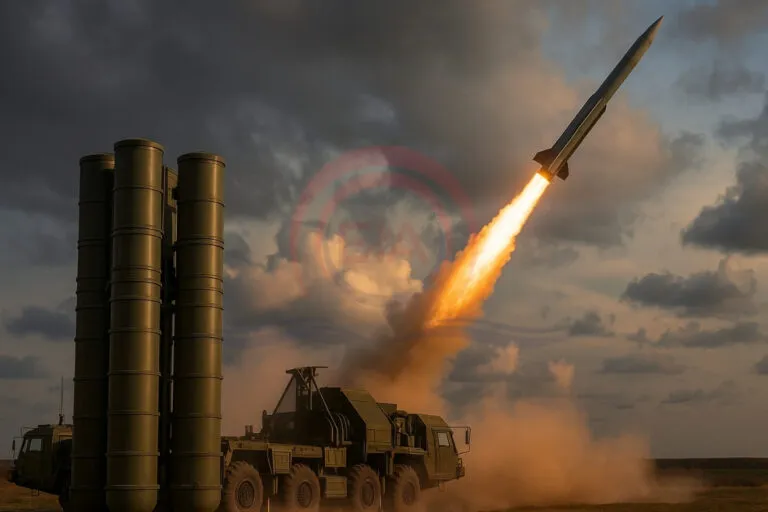
In June 2026, India conducted a series of important missile tests over two days. These tests helped verify the performance of interceptor missiles and other systems that are part of the missile shield.
The tests were carried out at the Integrated Test Range, a major defence testing facility. The successful trials showed that India is making steady progress in building a reliable defence network.
Such tests are important to ensure that the systems can respond quickly and accurately in real situations.
Key Systems Under Development
Several advanced systems are part of this mission. These include interceptor missiles that can stop incoming ballistic missiles in mid-air. These missiles are designed to handle threats that travel long distances at high speed.
Another important system tested recently is the Naval Anti-Ship Missile Medium Range, which is designed for use by the navy. It can target enemy ships with high precision and plays a key role in protecting maritime borders.
These systems together form a multi-layer defence setup, where each layer adds an extra level of protection.
Project Kusha and Long Range Defence
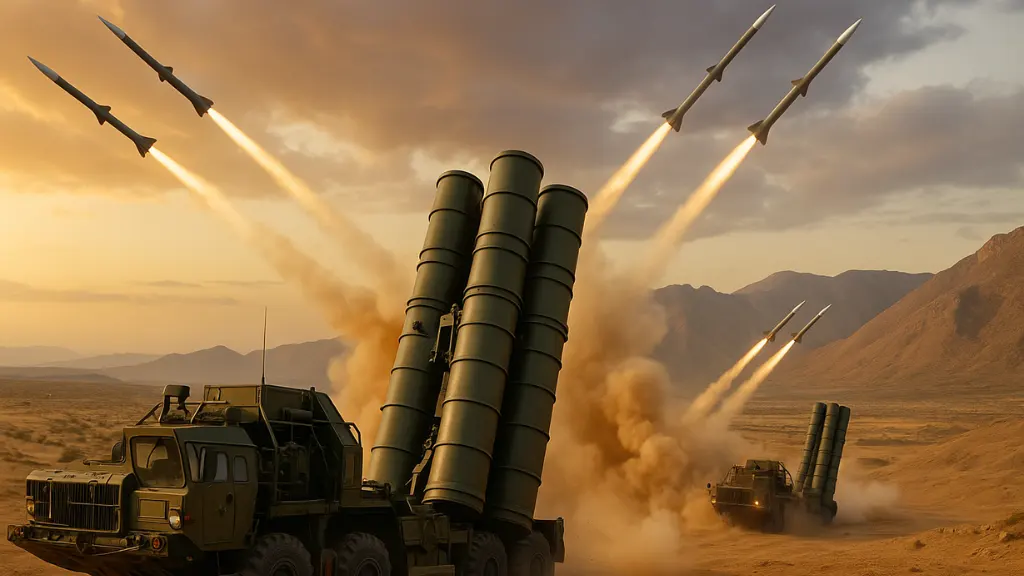
One of the major components of this mission is Project Kusha. This project focuses on developing long-range surface-to-air missile systems.
It includes multiple interceptor variants with different ranges, allowing coverage over short, medium, and long distances. This helps create a wider protective shield across different regions.
Project Kusha is often compared to advanced global defence systems like S-400 Triumf, showing India’s effort to match global standards.
Sudarshan Chakra Missile Shield Strengthens India’s Multi Layer Defence System – India is advancing its indigenous missile shield programme with new tests and systems, aiming to build a strong multi-layer defence network for national security and modern warfare challenges
New Defence Infrastructure Development
India is also investing in modern infrastructure to support these advanced systems. A new Advanced Weapon System Complex has been set up at the Dr APJ Abdul Kalam Missile Complex.
This facility will support research, testing, and development of next-generation missile systems. It is expected to speed up innovation and production in the defence sector.
Such developments are part of a broader push to strengthen domestic defence manufacturing and reduce dependence on imports.
Importance of Multi Layer Defence
Modern warfare requires strong defence systems that can handle multiple types of threats at the same time. A single layer of defence is not enough to stop advanced missiles or coordinated attacks.
That is why India is focusing on a multi-layer approach, where different systems work together. If one layer misses a threat, another layer can intercept it.
This approach increases the chances of successful defence and reduces risks to important assets.
Global Context and Current Trends
Around the world, many countries are investing heavily in missile defence systems. Rising geopolitical tensions and rapid technological advancements have made such systems more important than ever.
Countries like the United States, Russia, and Israel already have advanced missile defence technologies. For example, systems like Iron Dome are designed to intercept short-range threats.
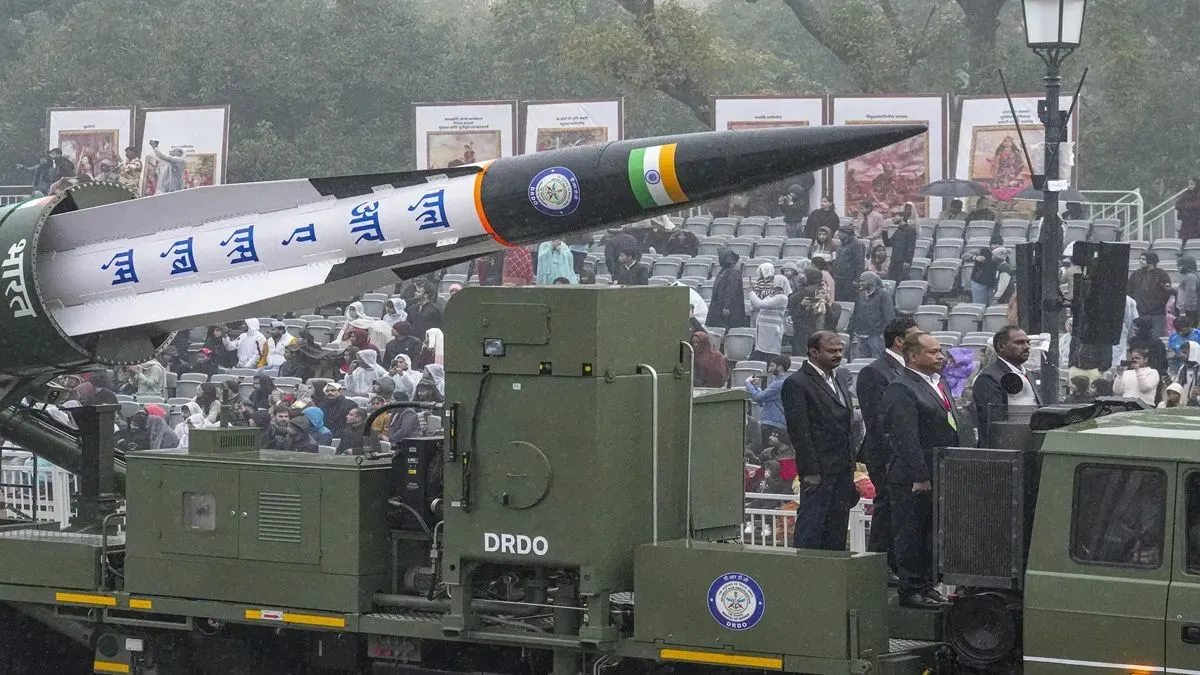
India’s Sudarshan Chakra mission is part of this global trend, aiming to build a strong and independent defence system.
Future Outlook of the Mission
The Sudarshan Chakra missile shield is planned to be fully developed over the next decade, with a target timeline extending to 2035. The mission will continue to evolve with new technologies and improved systems.
India is also working to involve private companies and research institutions in this project. This collaboration can speed up innovation and create new opportunities in the defence sector.
As technology continues to grow, the focus will remain on building a strong, reliable, and modern defence system for the country.