


Tamil Nadu Deceased Organ Donation Model Emerges as India’s Best

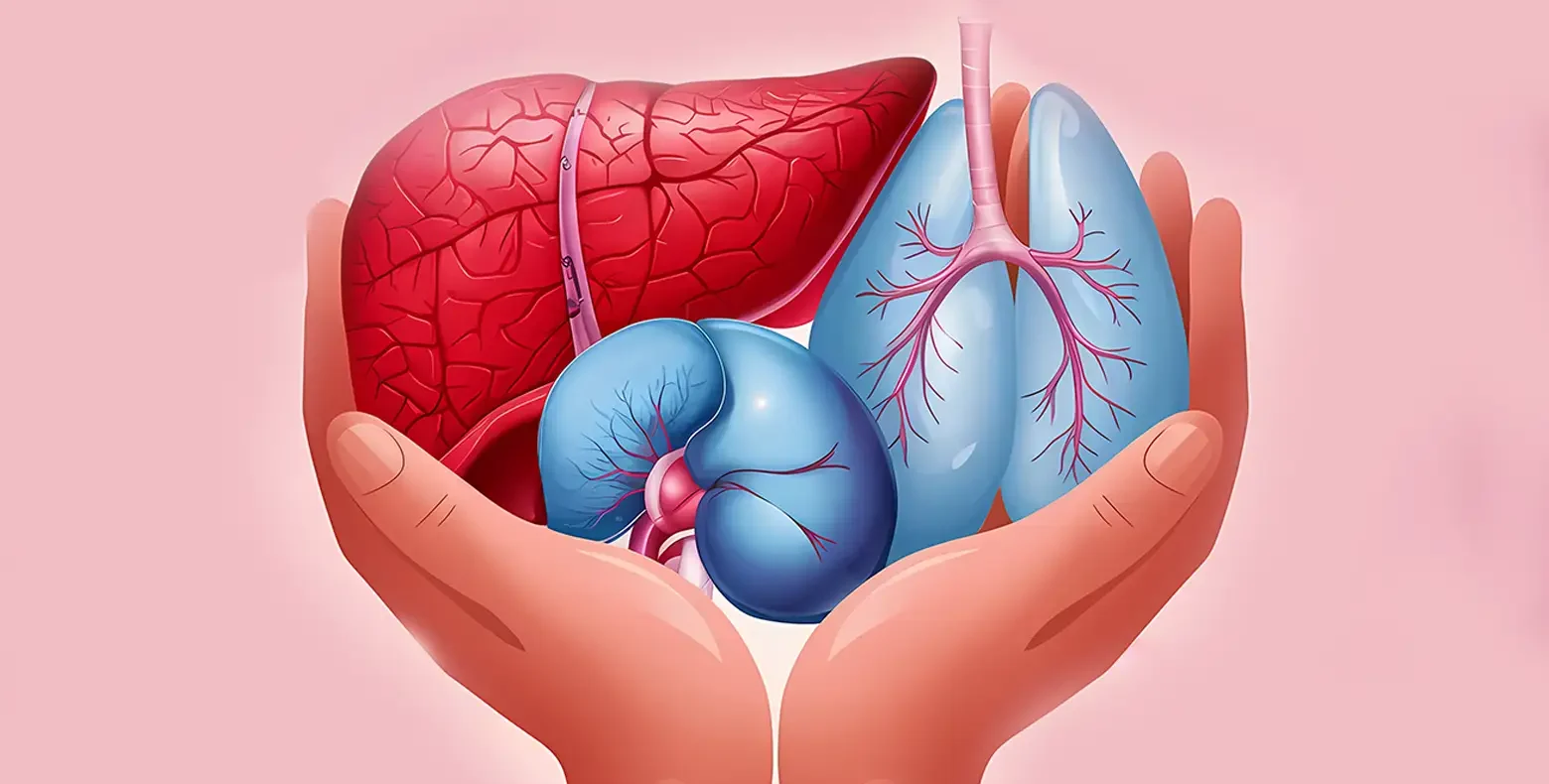
Tamil Nadu Deceased Organ Donation programme has once again highlighted the state’s leadership in organ transplantation across India. In the first two months of 2026, the state recorded 57 deceased organ donors, averaging nearly one donation per day. The initiative is supervised by the Transplant Authority of Tamil Nadu (Transtan), which has developed a well-organised and transparent system over the past two decades. Health officials credit the programme’s continued success to strong governance, public awareness, and the integration of digital technology.
Thank you for reading this post, don't forget to subscribe!Early Adoption and Institutional Framework
Tamil Nadu began building its deceased organ donation framework in 2008, at a time when awareness about organ donation in India was still developing. The state introduced a structured model involving policymakers, healthcare institutions, law enforcement agencies, media, and civil society groups.
Although the programme experienced a slowdown during the COVID-19 pandemic, it has recovered quickly and continues to grow. One notable development is the increased participation of government hospitals, which in recent years have equalled or even surpassed private hospitals in deceased organ retrieval.
The system ensures ethical counselling for families, scientific organ allocation, and effective coordination between transplant centres, ensuring that donated organs reach patients in need without delay.
Initiatives Strengthening the Programme
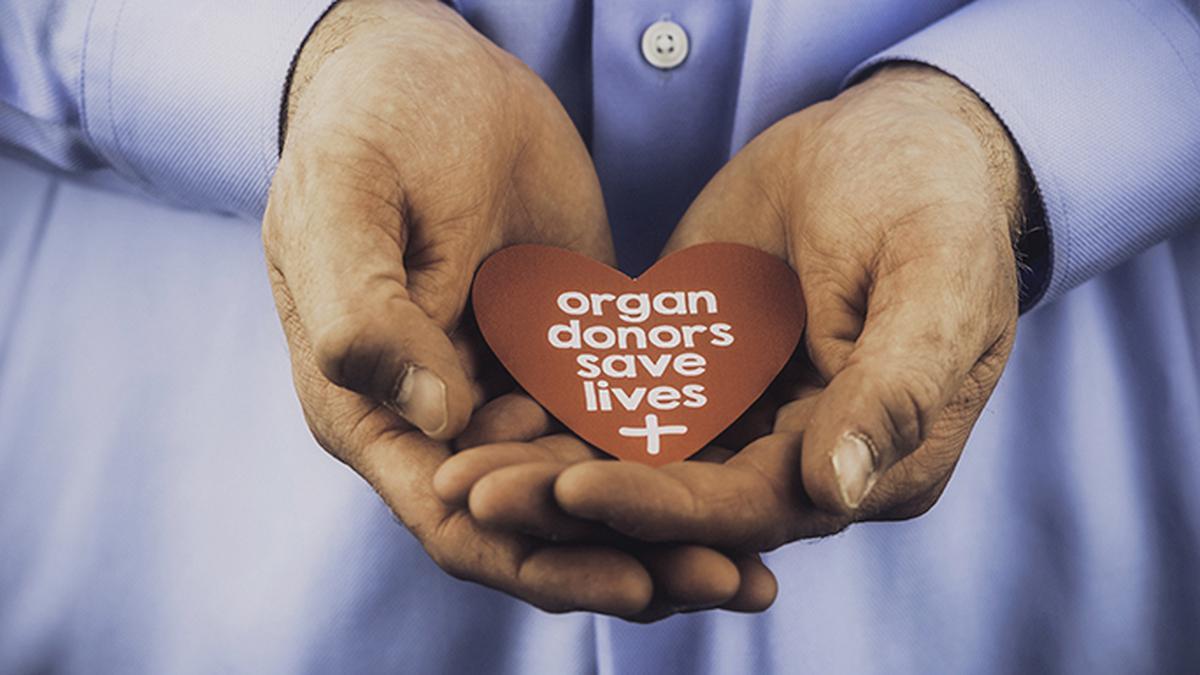
Several initiatives have helped strengthen the deceased organ donation ecosystem in Tamil Nadu. One important initiative is the “honour walk”, a ceremonial tribute organised in hospitals to pay respect to deceased donors. Since 2023, more than 650 honour walks have been conducted, helping raise public awareness and respect for organ donors.
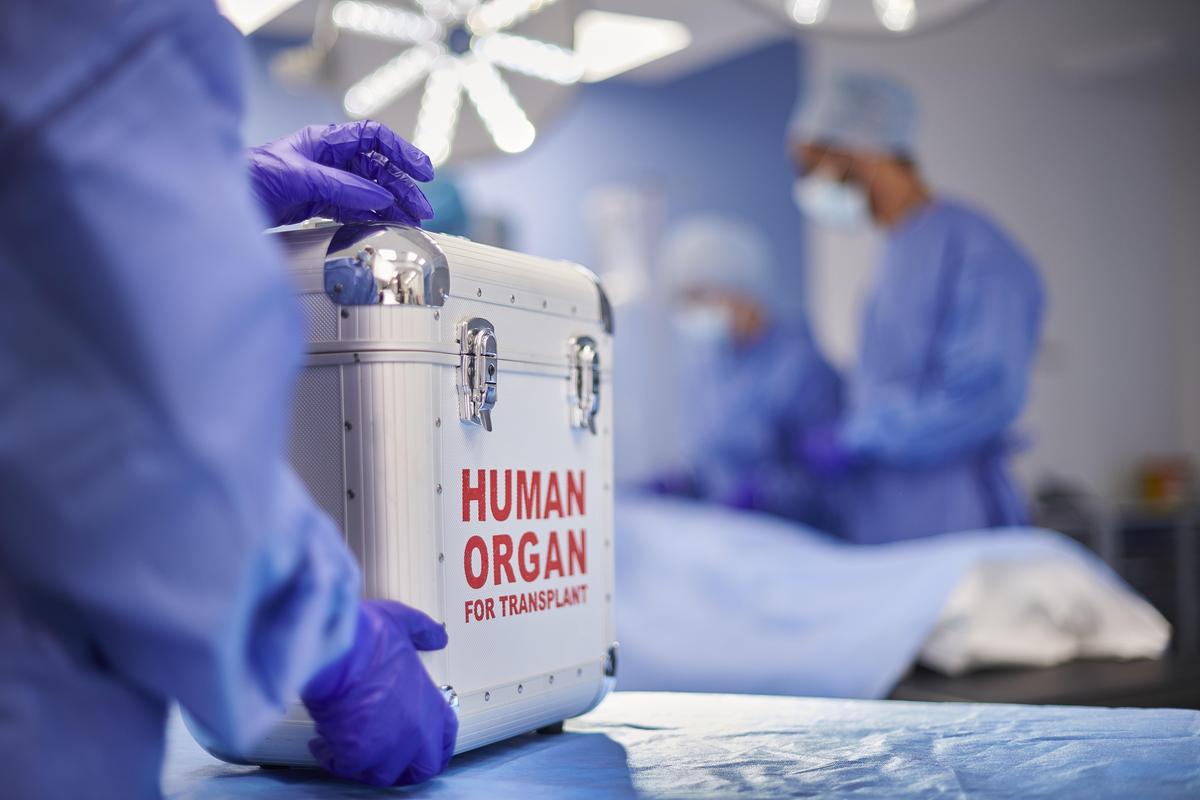
The state also introduced Government Order 331, which grants state honours to deceased organ donors, recognising their life-saving contribution. Another key step is the collaboration with traffic police to create “green corridors.” These special traffic arrangements allow organs to be transported quickly between hospitals, often saving critical time for transplant surgeries.
In addition, the Vidiyal mobile and web application, launched in 2021, has improved transparency in organ allocation by enabling real-time digital coordination. Medical students have also been encouraged to act as ambassadors, spreading awareness about organ donation across communities.
Public Trust and Ethical Approach
Public trust remains central to the success of the Tamil Nadu Deceased Organ Donation programme. Authorities emphasise that organ donation is entirely voluntary and based on family consent. Counselling is carried out sensitively without any form of coercion.
Currently, around 75 percent of families agree to organ donation after initial counselling, and this rate increases to nearly 80 percent after further discussions. Importantly, Tamil Nadu has avoided monetary incentives, reinforcing the idea that organ donation should remain a humanitarian and noble act.
A Model for the Nation
Experts believe Tamil Nadu’s success is built on transparency, coordination between departments, and sustained public awareness campaigns. While road accidents contribute to some cases of brain death, officials note that many organ donations also come from non-trauma cases.
With its strong institutional framework and community participation, the Tamil Nadu Deceased Organ Donation programme is widely regarded as a model for other Indian states aiming to strengthen their organ donation systems and save more lives through transplantation.