


Omicron RF.5:Detected in Andhra Pradesh

Omicron RF.5 has come into focus after health authorities confirmed the presence of this new COVID-19 sub-variant in Andhra Pradesh during mid-July 2026. The confirmation followed genome sequencing carried out at the National Institute of Virology (NIV), Pune, where samples collected from Kadapa district were identified as belonging to the RF.5 sub-lineage. Following the detection, the Andhra Pradesh Health Department increased disease surveillance and asked healthcare facilities across the state to remain prepared while continuing to reassure the public that there is currently no scientific evidence suggesting that this sub-variant causes more severe illness than previous Omicron strains.
RF.5 Confirmed Through Genome Sequencing
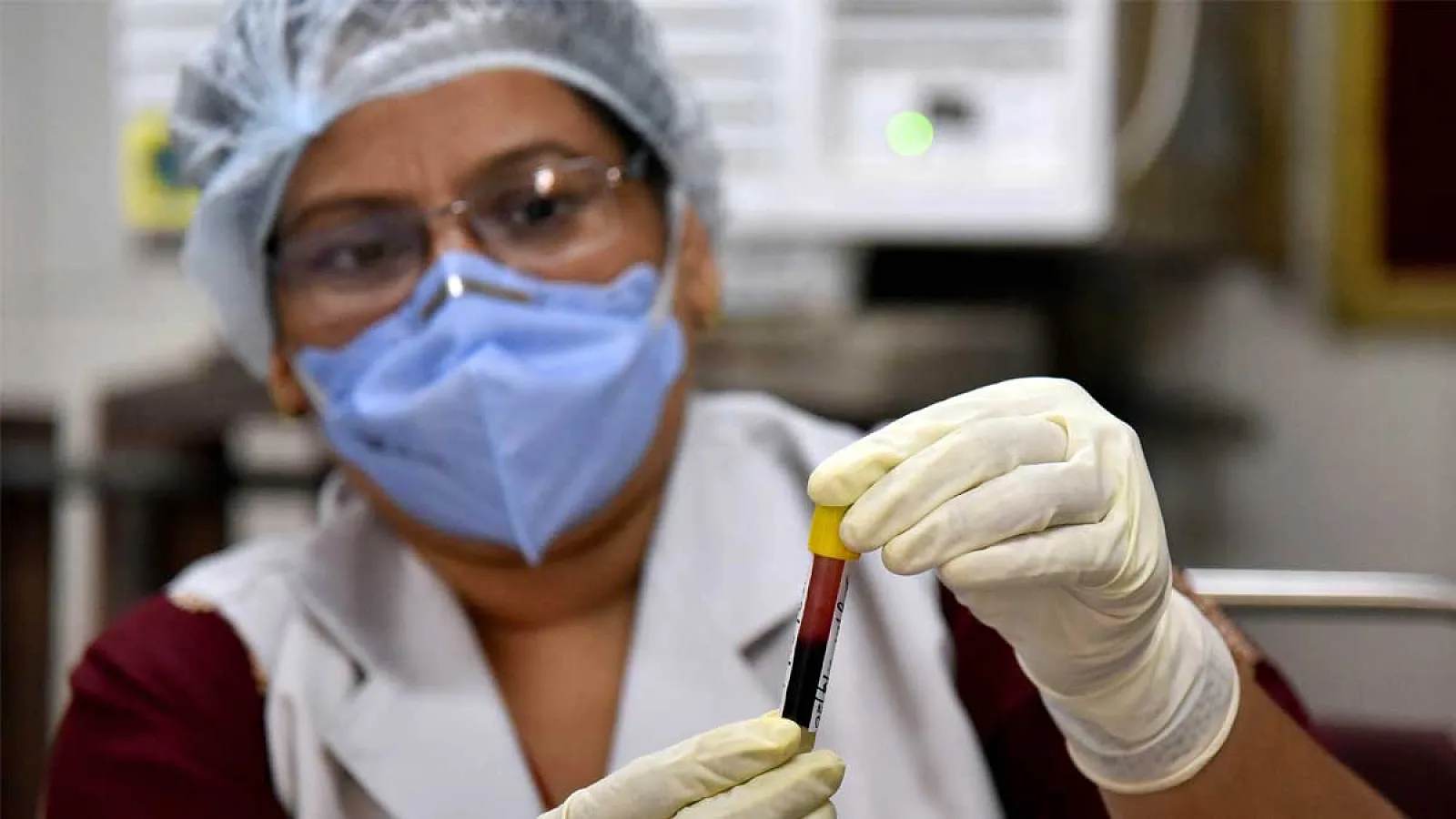
The newly detected cases were identified through genome sequencing, an advanced laboratory process used to study the genetic structure of viruses. This technique allows scientists to identify mutations and classify new variants or sub-lineages of SARS-CoV-2.

According to health authorities, four COVID-19 positive samples collected from Kadapa district were confirmed as the Omicron RF.5 sub-variant by the National Institute of Virology in Pune as of 19 July 2026.
Genome sequencing has become one of the most important tools for monitoring how the coronavirus continues to evolve. By identifying genetic changes early, scientists and public health officials can closely observe the spread of emerging variants and assess whether any changes affect transmission, diagnosis, or treatment.
Understanding the Omicron RF.5 Sub-Variant
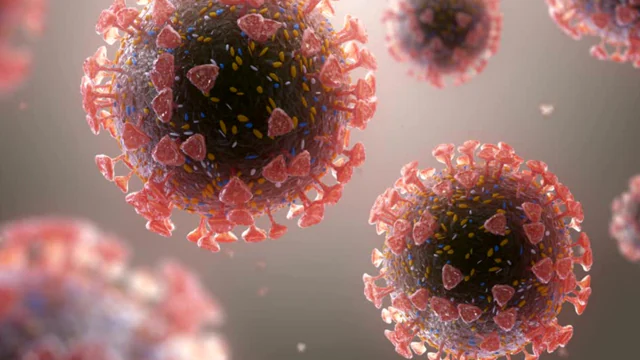
SARS-CoV-2 is the virus responsible for causing COVID-19, while Omicron is one of its major variants first identified in 2021. Since its emergence, Omicron has continued to evolve into several sub-lineages as the virus naturally changes over time.
The newly detected RF.5 belongs to the JN.1 evolutionary branch, developing through earlier sub-lineages known as LF.7 and PY.1.1.1.
Virus mutations are a normal part of viral evolution. Most changes have little or no impact on disease severity, but scientists continue monitoring new lineages carefully to understand how they behave and whether they require additional public health measures.
Common Symptoms Linked to RF.5
Health officials have stated that the symptoms reported with the RF.5 sub-variant are generally similar to those observed with previous Omicron variants.
Common symptoms include:
- Sore throat
- Cough
- Fever
- Headache
- Runny or blocked nose
- Fatigue
- Body aches
These symptoms are similar to those seen in many respiratory viral infections, making laboratory testing important for confirming COVID-19 infection when necessary.
Doctors continue to advise individuals experiencing persistent symptoms to seek medical advice, especially older adults and people with existing health conditions.
Health Officials Monitor the Situation
Following the confirmation of RF.5, the Andhra Pradesh Health Department issued an alert across all districts on 20 July 2026.
The department instructed hospitals and healthcare facilities to remain prepared by maintaining:
- Isolation wards
- COVID-19 testing kits
- Disease surveillance systems
- Medical infrastructure for patient care
Officials emphasized that these preparedness measures are precautionary and are intended to ensure that healthcare services can respond quickly if additional cases are detected.
Public health authorities also continue monitoring case numbers across the state while coordinating with national health agencies.
No Evidence of Increased Severity
One of the important updates shared by health officials is that there is currently no scientific evidence indicating that the RF.5 sub-variant causes more severe illness than earlier Omicron sub-variants.
While every new variant is monitored carefully, experts have advised against unnecessary panic. Ongoing scientific studies continue to evaluate the behaviour of newly detected lineages, including their transmission patterns and clinical characteristics.
Health authorities have encouraged the public to stay informed through official government health updates rather than relying on unverified information shared on social media.
The Role of Genome Surveillance
The detection of RF.5 highlights the importance of genomic surveillance, a system used worldwide to monitor changes in viruses.
The World Health Organization (WHO) works with national laboratories and public health agencies to track newly emerging SARS-CoV-2 variants across different countries and regions. Regular genomic surveillance helps scientists understand how the virus is evolving and whether new variants require additional attention.
India has strengthened its genomic surveillance network over the past several years, enabling laboratories to identify new variants quickly and provide timely information to health authorities.
Continuous monitoring supports evidence-based decision-making while helping governments prepare for changing public health situations.
National Institute of Virology Plays a Key Role
The National Institute of Virology (NIV), Pune, remains one of India’s leading centres for virology research and laboratory diagnostics.
The institute performs specialised testing and genome sequencing to identify viruses and confirm new variants. During the COVID-19 pandemic and beyond, NIV has played an important role in supporting disease surveillance, scientific research, and public health decision-making.
Its sequencing work allows health authorities to detect new viral lineages such as RF.5 at an early stage.
COVID-19 Situation in Andhra Pradesh
According to official health data, Andhra Pradesh reported 19 COVID-19 cases between 26 June and 19 July 2026.
Health authorities also reported that four recent deaths involved patients who had serious pre-existing medical conditions (comorbidities). Officials have continued to emphasise that underlying health conditions can increase the risk of complications from COVID-19 and other respiratory infections.
The state government is maintaining regular surveillance while monitoring case numbers, hospital preparedness, and laboratory testing across districts.
Staying Prepared During Changing COVID-19 Trends
Although COVID-19 is now managed differently than during the early years of the pandemic, health experts continue to recommend practical preventive measures whenever respiratory illnesses increase in the community. Maintaining good hand hygiene, covering coughs and sneezes, staying home when feeling unwell, and seeking medical advice if symptoms become severe remain sensible public health practices.
The detection of Omicron RF.5 in Andhra Pradesh demonstrates that SARS-CoV-2 continues to evolve, making ongoing surveillance an important part of public health. With genome sequencing, continuous monitoring, and hospital preparedness, health authorities aim to identify new variants quickly while ensuring that healthcare systems remain ready to respond based on the latest scientific evidence.