


1857 Mutiny Record

1857 Mutiny Records have gained fresh attention after the Madhya Pradesh Archaeology Department added a valuable collection of rare historical documents to its archives in July 2026. The newly acquired collection includes a rare record connected to the Revolt of 1857, a document bearing the signature of legendary freedom fighter Tatya Tope, and an original portrait of Rani Lakshmibai of Jhansi that was commissioned in 1853. These important discoveries are expected to strengthen efforts to preserve India’s historical heritage while making valuable records available for future generations through modern digital archiving.
Rare Documents Added to the State Archives
The latest collection contains several historical materials that offer a deeper understanding of India’s past during British colonial rule.

Among the most significant items is a document associated with the 1857 uprising, one of the most important events in Indian history. The collection also includes a document carrying the signature of Tatya Tope, one of the leading military commanders who fought against British forces during the revolt.
Another remarkable addition is an original portrait of Rani Lakshmibai, the Queen of Jhansi. Historical records indicate that the portrait was commissioned in 1853, several years before the outbreak of the 1857 revolt. Such original artworks are considered valuable cultural treasures because they provide authentic visual records from the period.
Remembering the Revolt of 1857
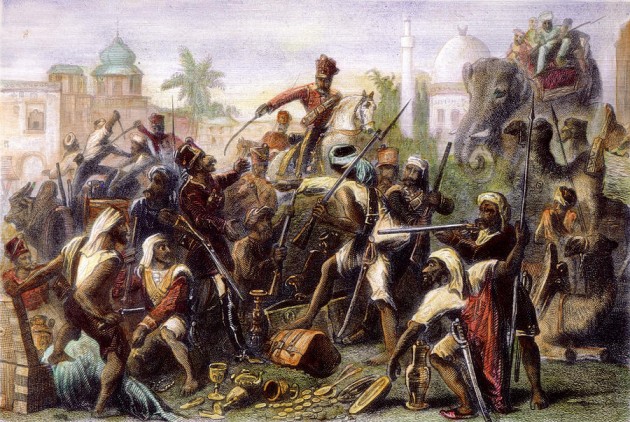
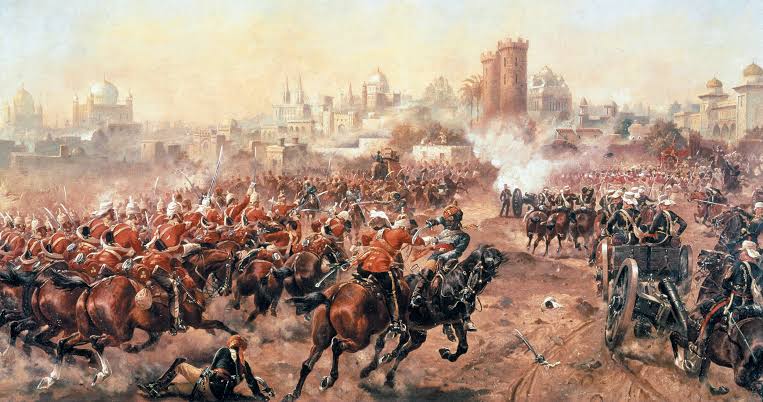
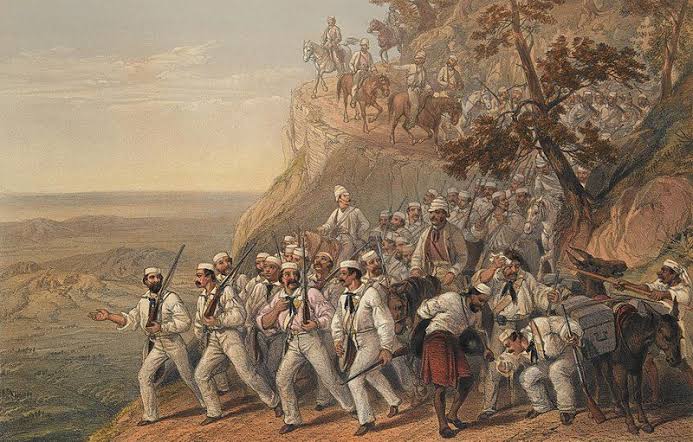
The Revolt of 1857 remains one of the defining moments in India’s struggle against British rule. It began in Meerut in May 1857 before spreading across many parts of northern and central India.
The uprising involved soldiers, rulers, local leaders, and ordinary citizens who opposed the policies of the British East India Company. Although the revolt was eventually suppressed, it became a turning point in India’s history and inspired future generations in the freedom movement.
Today, historians continue to study documents from this period to better understand the political, military, and social conditions that shaped the events of 1857.
Tatya Tope’s Historic Document
One of the most valuable items in the newly collected archive is the document bearing the signature of Tatya Tope.
Tatya Tope was one of the most respected military leaders during the Revolt of 1857. Known for his strategic planning and determination, he played a major role in organising resistance against British forces across central India.
According to official records, the signed document had earlier been handed over to the government by the princely state of Shivpuri after India gained Independence. Its preservation ensures that an important piece of the nation’s historical record remains protected for future generations.
Original documents signed by historical figures are extremely valuable because they provide direct evidence of important events and decisions from the past.
Original Portrait of Rani Lakshmibai
The collection also features an original portrait of Rani Lakshmibai of Jhansi, one of India’s most admired historical personalities.
The portrait, commissioned in 1853, was discovered in a museum located in Datia, Madhya Pradesh. Since very few authentic portraits from that period have survived, this artwork holds significant historical and cultural importance.
Rani Lakshmibai became one of the leading symbols of courage and resistance during the 1857 uprising. Her leadership, determination, and bravery continue to inspire people across India even today.
The preservation of such original artworks allows historians and the public to gain a more accurate understanding of important personalities from India’s past.
Gyan Bharatam Mission Supports Preservation
The newly collected documents have become part of the Gyan Bharatam Mission, a national initiative focused on preserving India’s documentary heritage.
The mission encourages citizens and institutions to submit rare manuscripts, historical records, and old documents for professional preservation and digitisation. By using modern technology, these valuable records can be protected from damage while becoming more accessible to researchers and future generations.
The submission phase of the mission concluded on 30 June 2025, after encouraging widespread public participation from across the country.
Digitisation has become increasingly important because many historical documents are fragile and vulnerable to natural ageing, environmental conditions, and accidental damage.
Madhya Pradesh’s Massive Archive Collection
Madhya Pradesh has emerged as one of India’s leading states in preserving historical records.
Under the Gyan Bharatam Mission, the state received nearly 3.4 million documents, of which around 1.2 million have already been verified.
The State Archives Department had preserved approximately 6.88 crore documents by February 2025. These collections include administrative records, documents from former princely states, government files, legal papers, historical correspondence, and regional manuscripts collected over several centuries.
Such extensive archival work plays an important role in protecting India’s documentary heritage.
Rich Collection in Multiple Languages
One of the unique strengths of the Madhya Pradesh archives is the diversity of languages and scripts represented in the collection.
The preserved records include documents written in:
- English
- Hindi
- Urdu
- Persian
- Marathi (Modi script)
- Bundeli
These multilingual collections reflect India’s rich cultural and administrative history. They also help researchers study how governance, literature, trade, diplomacy, and society evolved across different historical periods.
Many older documents are written in scripts that require specialised knowledge for translation and interpretation, making their preservation even more valuable.
Ancient Literary Treasures Also Preserved
Apart from official historical records, the archives also protect important literary works.
One remarkable example is a 70-page treatise on poetics dating back to the 16th century. The manuscript was discovered in Panna and contributed by a Jain temple.
The text discusses Shringara Rasa and Nayika-Bheda, two important concepts in classical Sanskrit literature and aesthetics. Such manuscripts provide valuable insights into India’s literary traditions, artistic philosophy, and cultural development over several centuries.
The preservation of both administrative records and literary manuscripts demonstrates the broad scope of India’s archival efforts.
Digital Preservation for Future Generations
Modern technology is transforming the way historical records are preserved. Through digitisation, fragile manuscripts, rare letters, portraits, maps, and official documents can be safely stored in digital form while reducing the need to handle the original materials.
The latest collection of 1857 Mutiny Records, including the signed document of Tatya Tope and the rare portrait of Rani Lakshmibai, represents another important step in protecting India’s rich historical heritage. As digital preservation projects continue to expand, these priceless records will remain available for historians, students, museums, and future generations, ensuring that significant chapters of India’s past continue to be remembered and appreciated.