


Cassava Brown Streak Disease Africa: Viral Threat to a Key Staple Crop

Cassava Brown Streak Disease Africa is becoming a major concern across sub-Saharan Africa, threatening a staple crop that millions depend on for food and income. Cassava is widely valued because it can grow in drought conditions and poor soils, making it a vital safety net for vulnerable households. However, the spread of this viral disease could weaken the resilience of cassava farming systems across the continent.
Thank you for reading this post, don't forget to subscribe!Impact of Cassava Brown Streak Disease
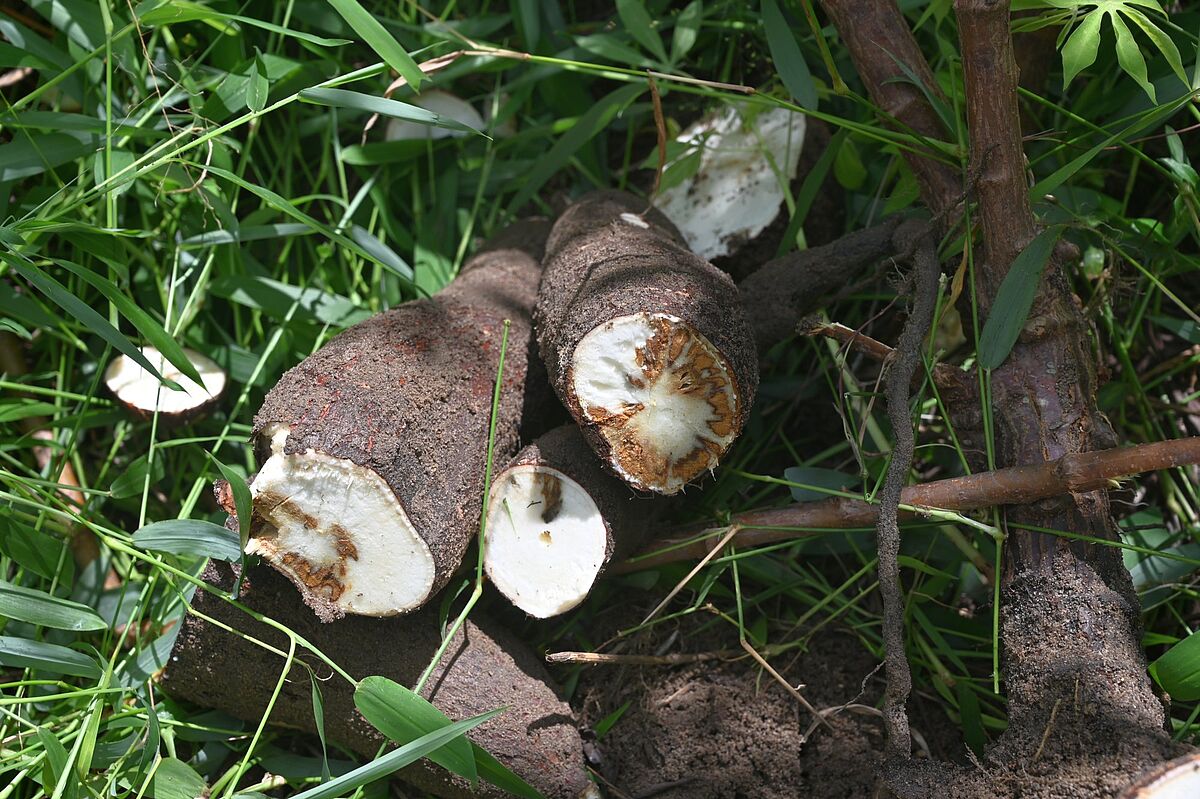
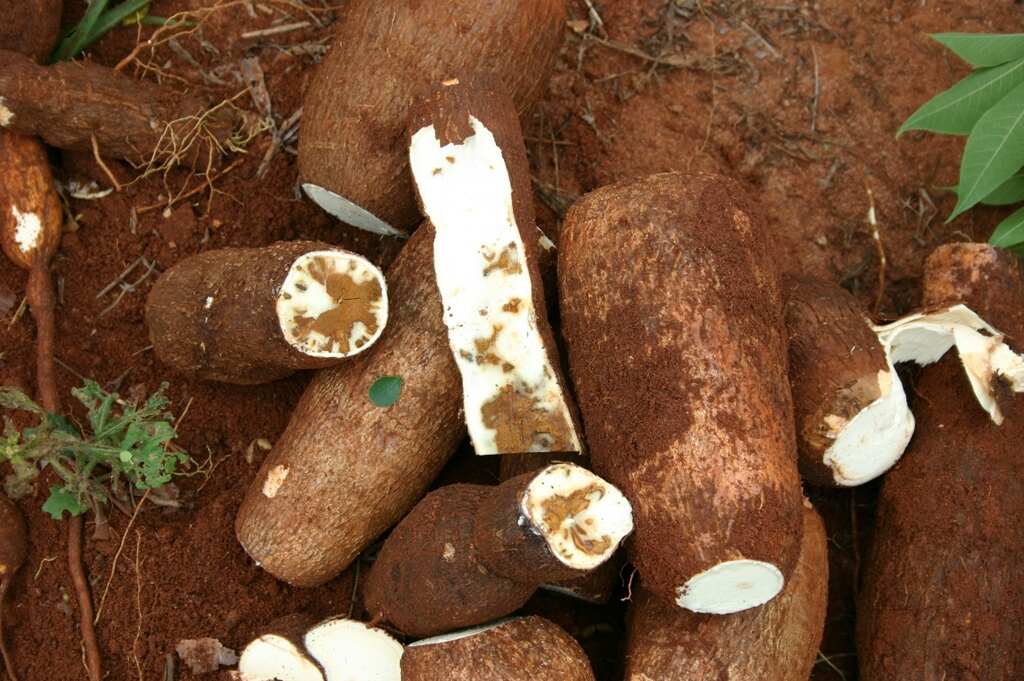
Cassava Brown Streak Disease (CBSD) causes severe necrosis or rotting in cassava roots. The disease is particularly damaging because it often remains invisible until harvest time. Farmers may only discover the infection when they dig up the crop and find discoloured, inedible roots. This delayed detection can lead to significant economic losses and food shortages for farming communities.
Spread and Risk Across Africa
For more than 70 years, CBSD remained largely confined to coastal areas of Tanzania and Mozambique. Over time, the disease has spread to Uganda and other regions of East and Central Africa. Scientists are now warning that West Africa could face serious risks if the disease continues expanding.
A study published in the East African Journal of Science, Technology and Innovation indicates that 54.6% of Africa’s landmass, around 16.2 million sq km, is suitable for cassava cultivation. At the same time, approximately 33.7% of the continent, or 10.2 million sq km, is vulnerable to the spread of CBSD. Environmental conditions, the availability of host plants, and trade in infected planting materials are major factors driving the spread.
Role of Whiteflies in Disease Transmission
CBSD is mainly transmitted by the whitefly Bemisia tabaci. Two genetic groups of this insect, commonly found in East and Central Africa, are known to carry the virus. Their populations have increased due to agricultural intensification and climate change.
Smallholder farming practices also play a role in the spread. Many farmers reuse cassava cuttings from previous harvests, unknowingly planting infected material. In contrast, countries such as Thailand use structured systems that distribute certified disease-free planting material to farmers.
Climate Change and Agricultural Risk
Climate change is another factor increasing the risk of disease spread. Rising temperatures and changes in rainfall patterns may create conditions that allow both cassava plants and whitefly populations to thrive in new areas. This could increase the vulnerability of cassava-growing regions across Africa.
Efforts to Develop Disease Resistance
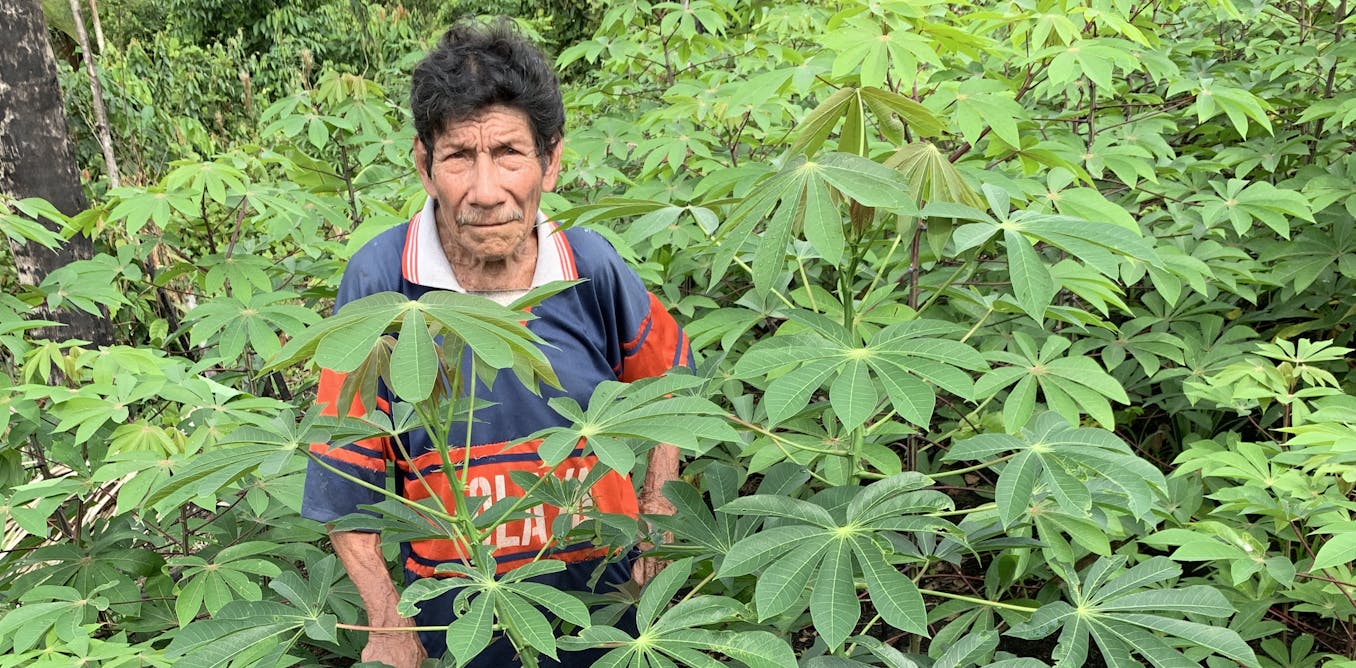
Researchers have identified natural resistance to CBSD in cassava varieties from South America. These resistant genes are now being incorporated into breeding programmes in African countries including the Democratic Republic of Congo, Tanzania, Uganda and Mozambique. Scientists are working to develop cassava varieties that can resist multiple viral diseases while maintaining high yields.
Strengthening clean seed systems and improving disease surveillance will be essential to control Cassava Brown Streak Disease Africa and protect one of the continent’s most important food crops.