Diplozentrum Orchid Discovery in Idukki: New Species Found in Kerala’s Western Ghats

The Diplozentrum Orchid Discovery in Idukki has added a remarkable new chapter to Kerala’s long and rich history of botanical exploration. Researchers have identified a new orchid species from the high ranges of the state, further strengthening the Western Ghats’ reputation as one of the most biologically diverse regions in the world. The species, discovered in Kanthalloor near Marayoor in Idukki district, belongs to the Diplozentrum genus, a group of orchids known for its limited distribution and unique characteristics.
Thank you for reading this post, don't forget to subscribe!This discovery not only highlights the richness of India’s plant life but also underlines the importance of continued scientific research and conservation in fragile mountain ecosystems.
A New Orchid Species from the High Ranges
The newly identified orchid has been scientifically named Diplozentrum papillosum. It was found growing naturally in the rugged terrain of the southern Western Ghats, an area known for its cool climate, misty forests, and diverse habitats.
Kanthalloor and Marayoor, where the species was discovered, are already famous for their natural beauty and agricultural landscapes. The finding of a previously unknown orchid species in this region shows that many parts of the Western Ghats still hold hidden biological treasures waiting to be documented.
The orchid has been formally described and published in the latest issue of the scientific journal Species, ensuring that the discovery is recognized by the global scientific community.
Understanding the Diplozentrum Genus
The genus Diplozentrum is considered endemic to the southern Western Ghats, meaning its species are found nowhere else in the world. Orchids under this genus are relatively rare, and only a few species have been recorded so far.
Because of this narrow geographical range, every new addition to the genus is highly valuable. It helps scientists better understand how plant species evolved in this ancient mountain system and how they adapted to specific ecological conditions.
The Diplozentrum Orchid Discovery in Idukki expands the known diversity of this genus and provides new opportunities for further taxonomic and ecological studies.
Unique Features of Diplozentrum papillosum
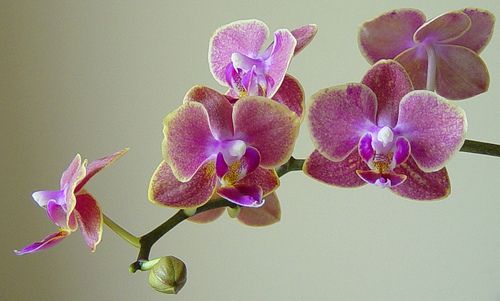
One of the most striking aspects of Diplozentrum papillosum is its flower structure. The species is characterized by unbranched flower clusters, which set it apart from closely related orchids.
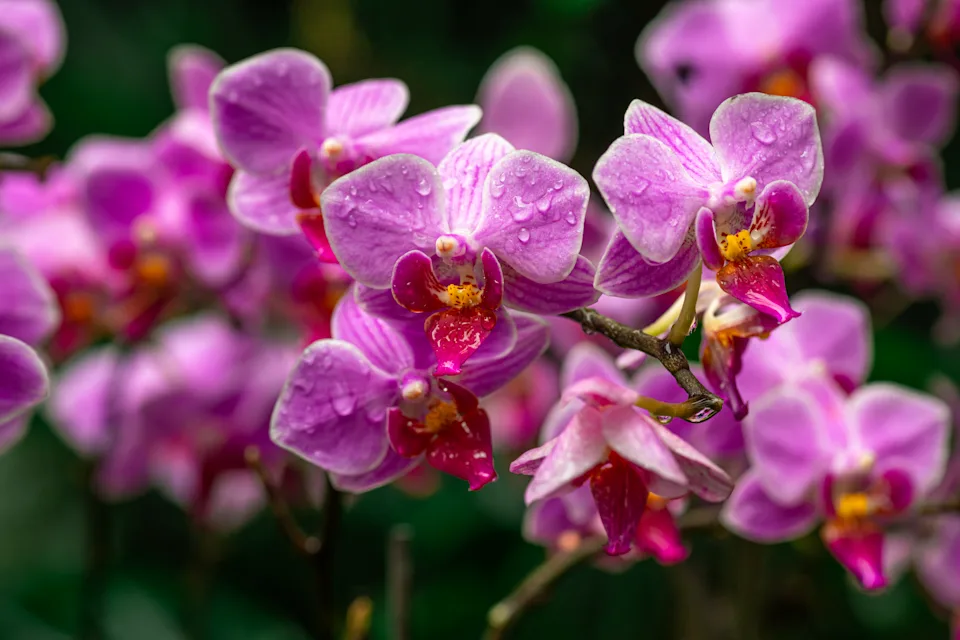
The flowers display a beautiful combination of pink and white, giving them strong ornamental appeal. Along with their attractive colors, the blooms are also known to be fragrant, which may play a role in attracting pollinators.
Researchers observed distinctive petal structures that clearly differentiate this species from other known members of the Diplozentrum genus. These subtle but important differences are essential in confirming that the plant represents a new species rather than a variation of an existing one.
Habitat and Growth Pattern
Diplozentrum papillosum shows both lithophytic and epiphytic growth habits. This means it can grow on rocks as well as on tree branches. Such flexibility allows the orchid to survive in a wide range of microhabitats within the forest.
The plant has strong and well-developed roots, which help it anchor firmly to surfaces exposed to strong winds. This adaptation is particularly important in high-altitude regions where weather conditions can change rapidly.
Its ability to grow without soil also reduces competition with ground-level plants and allows it to access light more effectively in dense forest environments.
The Western Ghats: A Biodiversity Treasure
The Western Ghats is recognised globally as a biodiversity hotspot. It is home to thousands of plant and animal species, many of which are endemic. Over the years, scientists have discovered numerous new species from this mountain range, including frogs, insects, plants, and orchids.
The Diplozentrum Orchid Discovery in Idukki adds to this impressive list and reinforces the idea that the Western Ghats still holds many species that are yet to be scientifically described.
Such discoveries highlight why the protection of these ecosystems is so important. Habitat loss, climate change, and human activities pose serious threats to many rare and specialized species.
The Research Team Behind the Discovery
The new orchid species was identified by a multidisciplinary team of researchers and orchid specialists. The team included Dr Jose Mathew from SD College, Alappuzha; orchid expert Mathew Jose Mathew from Jonas Orchidarium, Vandiperiyar; A K Pradeep from Ramapuram; and Salim Pichan from the M S Swaminathan Research Foundation, Kalpetta.
Their combined expertise in taxonomy, field botany, and orchid studies played a crucial role in confirming the plant as a new species. The collaboration between academic institutions and research organizations shows how teamwork is essential in advancing biodiversity science.
Importance for Conservation
Discovering a new species is only the first step. Protecting it is equally important. Since Diplozentrum papillosum is known from a limited area, it may be vulnerable to habitat disturbance.
Forest conservation, careful land-use planning, and regular monitoring are necessary to ensure the survival of this orchid and many other rare species in the region.
The discovery also helps strengthen the case for preserving natural habitats in Idukki and other parts of the Western Ghats. Every new species found adds scientific value to these landscapes and supports efforts to keep them intact.

A Sign of Ongoing Scientific Potential
The Diplozentrum Orchid Discovery in Idukki demonstrates that even in well-studied regions like Kerala, nature continues to surprise scientists. With modern research methods and sustained fieldwork, more such discoveries are likely in the future.
This finding serves as a reminder of the vast and largely unexplored biological wealth of India. It also inspires young researchers and nature enthusiasts to take an interest in plant science, conservation, and ecological studies.
As exploration continues across the Western Ghats, each new discovery brings us closer to fully understanding and appreciating one of the world’s most remarkable natural heritage sites.