Labour Day: Honoring the Hands That Build the World

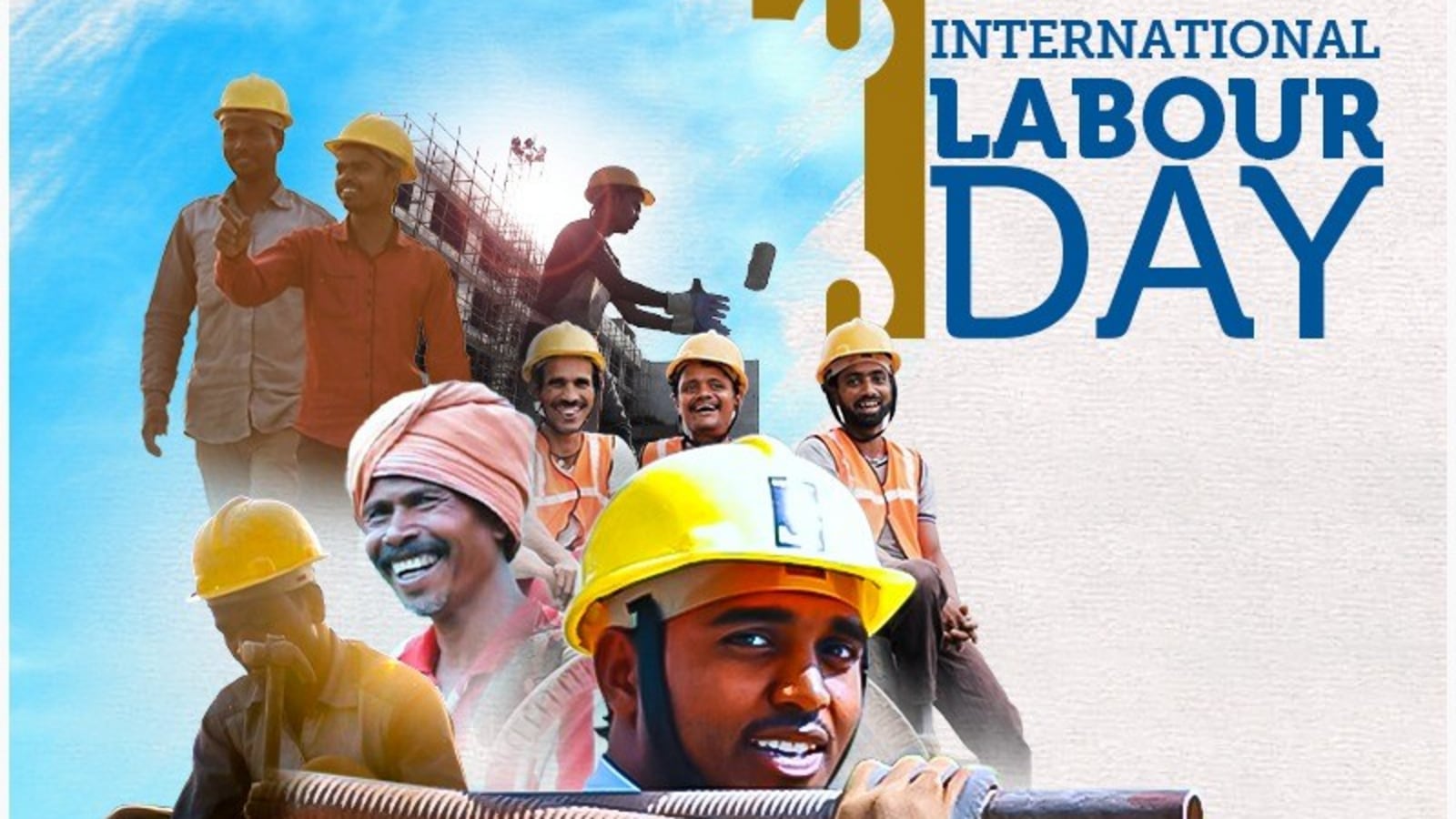
Labour Day is a very important day celebrated across the world to respect and honor workers. Workers are the backbone of every country. From farmers and factory workers to teachers, drivers, cleaners, nurses, and construction laborers, every worker plays a key role in building society. Labour Day reminds us of their hard work, struggles, and achievements. It also helps people understand the importance of workers’ rights and fair working conditions.
Thank you for reading this post, don't forget to subscribe!Labour Day is also known as International Labour Day or May Day. It is observed every year on May 1 in many countries, including India. This day is not just a holiday. It is a day of respect, remembrance, and awareness. On this day, people remember the sacrifices made by workers in the past to secure basic rights like fair wages, fixed working hours, and safe workplaces.
About International Labour Day
International Labour Day is celebrated annually on May 1 to honor the dedication and contributions of workers across the globe. It is a memorial to the labor movement’s struggles and victories. The day highlights the importance of unity among workers and reminds society that workers deserve dignity, respect, and justice.
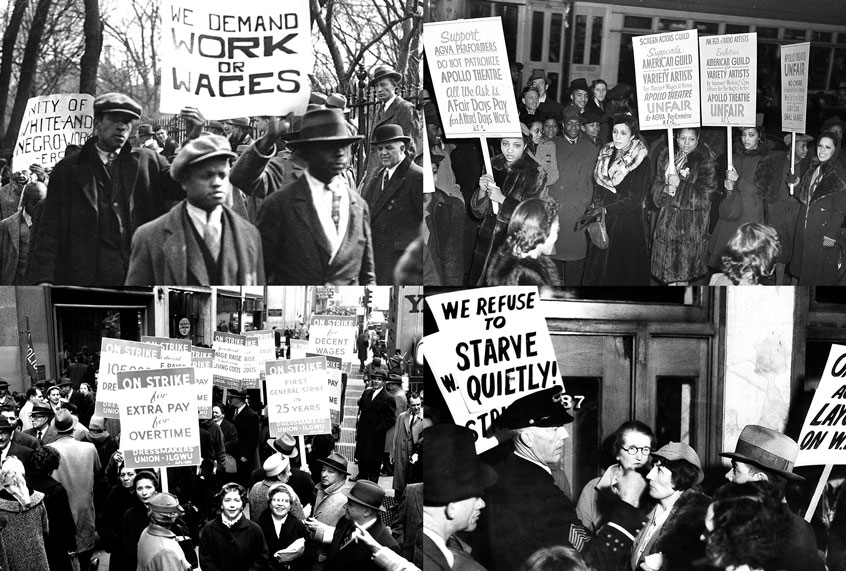
Workers often face difficult conditions. Long working hours, low wages, unsafe environments, and lack of job security were common in the past. Because of strong labor movements, many of these issues were addressed. Labour Day celebrates these achievements and encourages people to continue supporting workers’ rights.
Why Labour Day Is Important
Labour Day is important for many reasons:
- It recognizes the hard work of workers
- It spreads awareness about workers’ rights
- It remembers historical labor struggles
- It promotes equality and fairness at workplaces
- It encourages respect for all professions
Without workers, society cannot function. Roads would not be built, food would not be grown, machines would not work, and services would stop. Labour Day teaches us to value every job, big or small.
History of Labour Day
The history of Labour Day is closely connected to the struggle of workers for better working conditions. In the 19th century, workers were often forced to work 12 to 16 hours a day with very low pay. There were no laws to protect them. Children and women were also made to work in dangerous conditions.
The Eight-Hour Work Movement
Workers began to demand an eight-hour workday, believing that:
- 8 hours should be for work
- 8 hours for rest
- 8 hours for personal life
This demand became the foundation of the modern labor movement.
The Chicago Strike of 1886
The origins of International Labour Day are found in Chicago, United States. On May 1, 1886, thousands of workers went on strike demanding an eight-hour workday. The strike involved workers from different industries and was one of the largest labor protests in history.
The protest was peaceful at first, but tensions grew as police tried to control the crowd.
The Haymarket Affair
On May 4, 1886, violence broke out at Haymarket Square in Chicago. During a public meeting, someone threw a bomb at police officers. This led to chaos. Police fired back, and many people were killed or injured.
The resulting gunfire caused several deaths, including six police officers and a number of civilians. Many labor leaders were arrested, and some were even executed, although their guilt was never clearly proven.
This tragic event became known as the Haymarket Affair, and it became a turning point in labor history.
International Recognition of Labour Day
The Haymarket Affair shocked the world and drew attention to the struggles of workers. Trade unions and socialist federations across Europe were deeply moved by these events.
In 1889, during a meeting in Paris by the Second International, May 1 was officially declared as International Workers’ Day. From then on, May 1 became a symbol of workers’ unity and struggle.
Why the US and Canada Celebrate Labour Day in September
Although the events that inspired Labour Day happened in the United States, the US and Canada celebrate Labour Day on the first Monday of September, not on May 1.
This was done to avoid political movements and to give workers a long weekend. However, most other countries continue to observe Labour Day on May 1.
Labour Day Around the World
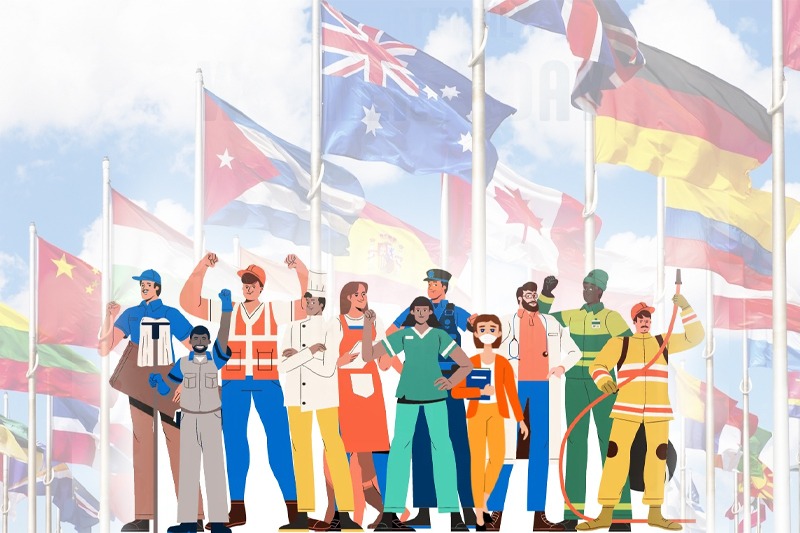
Today, more than 80 countries, including India, China, Cuba, Russia, and many European nations, observe International Labour Day on May 1.
Different countries celebrate the day in different ways:
- Public holidays
- Parades and marches
- Speeches by labor leaders
- Cultural programs
- Awareness campaigns
Despite the differences, the message remains the same: respect workers and protect their rights.
Labour Day in India
In India, the first Labour Day celebration was held in 1923 in Chennai (then Madras). It was organized by the Labour Kisan Party of Hindustan. The event was led by Comrade Singaravelu Chettiar, a pioneer of the labor movement in India.
Since then, Labour Day has been celebrated every year across the country.
Importance of Labour Day in India
India has a large working population, including farmers, factory workers, daily wage laborers, and service workers. Labour Day is important in India because:
- Many workers still face low wages
- Job security is a major issue
- Safety at workplaces needs improvement
- Awareness about labor laws is limited
Labour Day helps bring these issues into public discussion.
Labour Laws in India
Over the years, India has introduced many labor laws to protect workers, such as:
- Minimum Wages Act
- Factories Act
- Payment of Wages Act
- Employees’ Provident Fund (EPF)
- Employees’ State Insurance (ESI)
These laws aim to ensure fair pay, safe working conditions, and social security.
Types of Workers Celebrated on Labour Day
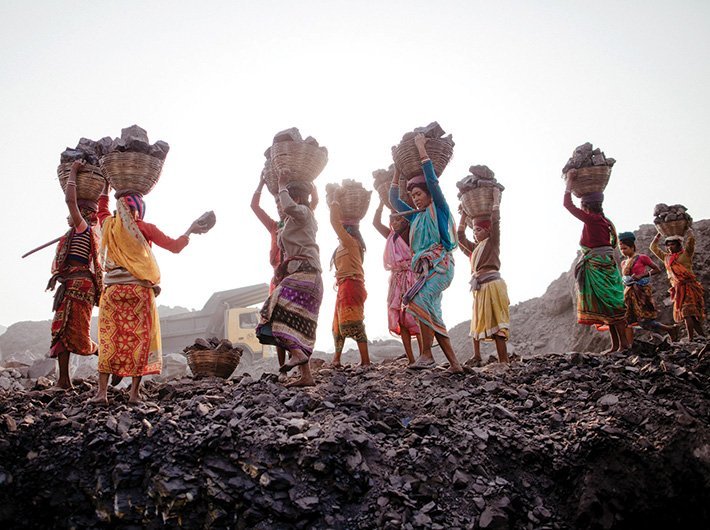
Labour Day honors all kinds of workers, including:
- Farmers
- Construction workers
- Factory workers
- Teachers
- Doctors and nurses
- Drivers and transport workers
- Domestic workers
- Sanitation workers
- Office employees
Every job is important, and Labour Day teaches us to respect all professions equally.
Challenges Faced by Workers Today
Even today, workers face many problems, such as:
- Unemployment
- Low wages
- Long working hours
- Unsafe work environments
- Lack of health benefits
- Contract and temporary jobs
Labour Day reminds governments and employers to address these issues seriously.
Role of Trade Unions
Trade unions play a major role in protecting workers’ rights. They:
- Represent workers
- Negotiate with employers
- Fight for fair wages
- Demand safe working conditions
- Provide legal support
Labour Day is also a celebration of the strength and unity of trade unions.
How Labour Day Is Celebrated
The day usually involves:
- Parades and rallies
- Union gatherings
- Speeches by leaders
- Cultural programs
- Awareness events on workers’ rights
In some places, awards are given to outstanding workers.
Labour Day and Students
Labour Day is important for students too. It teaches valuable lessons:
- Respect hard work
- Understand social justice
- Value equality
- Appreciate all jobs
- Learn about history
Schools often organize special assemblies and discussions on this day.
Message of Labour Day
The main message of Labour Day is clear:
- Every worker deserves dignity
- Work should be safe and fair
- Hard work should be respected
- Society should be equal
It reminds us that progress is only possible when workers are treated fairly.
Labour Day in the Modern World
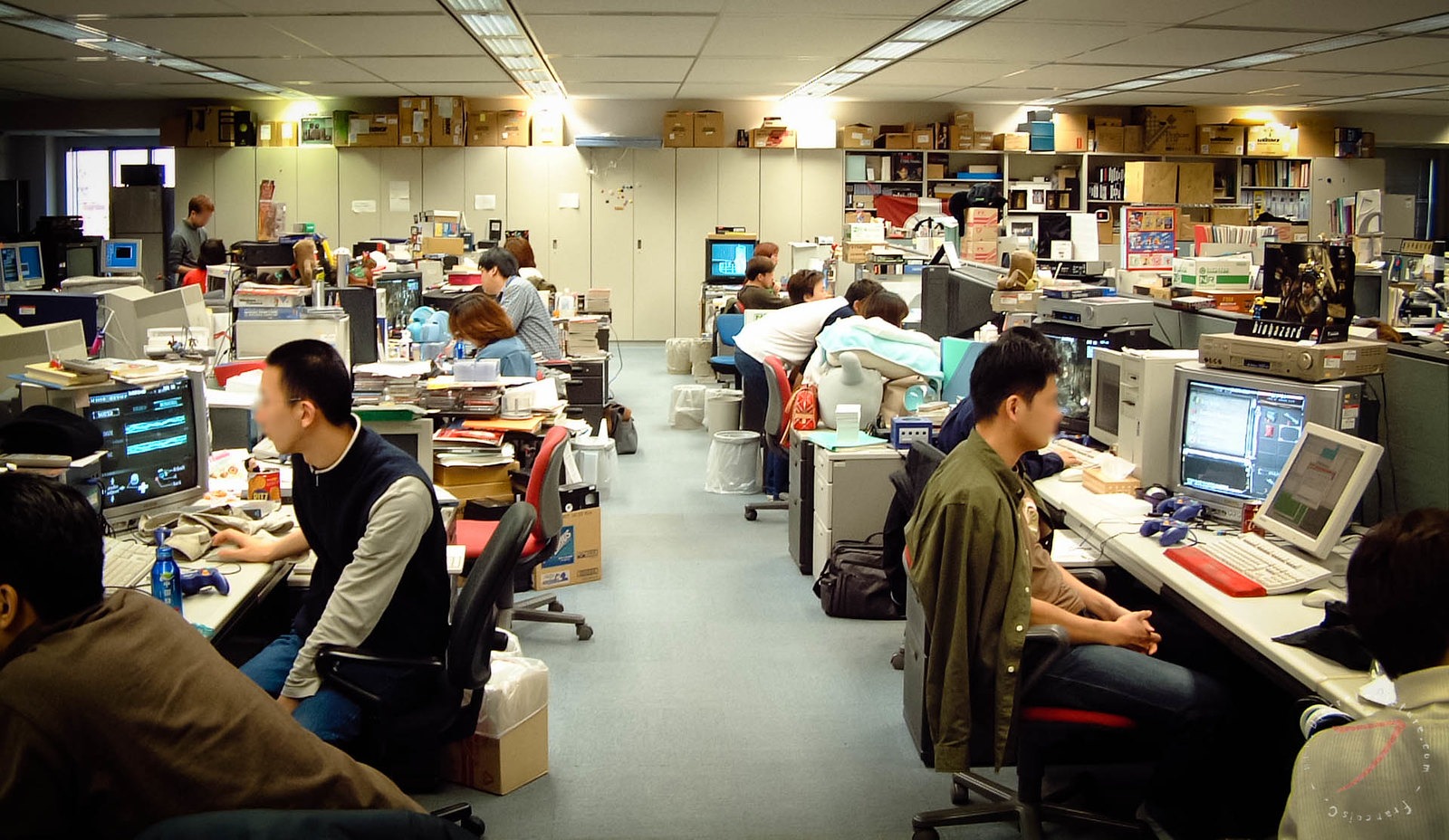
With technology and automation growing, the nature of work is changing. New challenges such as job loss due to machines, gig work, and remote jobs have emerged.
Labour Day now also focuses on:
- Job security in the digital age
- Fair treatment of gig workers
- Work-life balance
- Mental health at workplaces
Respecting Workers in Daily Life
We can respect workers not just on Labour Day, but every day by:
- Treating them politely
- Paying fair wages
- Following labor laws
- Avoiding exploitation
- Saying “thank you”
Small actions can make a big difference.
Conclusion
Labour Day is more than just a date on the calendar. It is a powerful reminder of the struggles, sacrifices, and achievements of workers across the world. From the historic events of the Haymarket Affair to modern labor movements, Labour Day stands as a symbol of unity, courage, and hope.
By understanding the importance of Labour Day, we learn to respect work, value workers, and support fairness in society. As future citizens, students must remember that every right enjoyed today is the result of someone’s struggle yesterday.
Let us honor the hands that build the world not just on Labour Day, but every day.
FAQs on Labour Day
1. What is Labour Day?
Labour Day is a day to honor workers and recognize their hard work and contributions to society.
2. When is International Labour Day celebrated?
International Labour Day is celebrated every year on May 1.
3. Why is Labour Day also called May Day?
It is called May Day because it is observed on the first day of May.
4. What is the history behind Labour Day?
Labour Day began after the workers’ movement in Chicago in 1886, where workers demanded an eight-hour workday.
5. What was the Haymarket Affair?
The Haymarket Affair was a violent incident during a labor protest in Chicago on May 4, 1886, which became a turning point in labor history.
6. Why is Labour Day important?
It highlights workers’ rights, fair wages, safe working conditions, and respect for all professions.
7. When was Labour Day first celebrated in India?
The first Labour Day in India was celebrated in 1923 in Chennai.
8. How is Labour Day celebrated?
It is celebrated through rallies, speeches, union meetings, and awareness programs about workers’ rights.