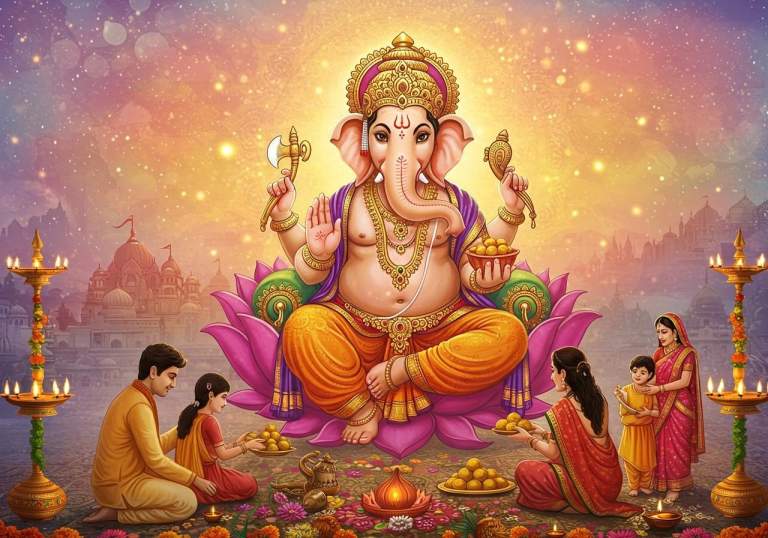
Karwa Chauth: Celebrating Love, Tradition, and Devotion

Karwa Chauth is one of the most celebrated festivals in India, especially among married women. It is a day marked by love, devotion, and cultural rituals that have been passed down through generations. Observed mainly in northern India, this festival highlights the bond between husband and wife and reflects the significance of marital fidelity in Indian tradition. Every year, women fast from sunrise to moonrise for the long life, health, and prosperity of their husbands, making Karwa Chauth a festival deeply rooted in love, faith, and spiritual commitment.
Thank you for reading this post, don't forget to subscribe!Origin and History
The history of Karwa Chauth traces back to ancient India, where various legends and folklore have contributed to its prominence. One of the popular legends involves Queen Veeravati, who was persuaded by her sisters to break her fast, but she followed the rituals sincerely. As a result, her husband, who was under a curse, was saved from death. Another legend refers to Karwa Chauth as a festival dedicated to Lord Shiva and Goddess Parvati, representing marital devotion and eternal love. These stories underline the festival’s emphasis on faith, loyalty, and the spiritual bond between husband and wife.
Over centuries, Karwa Chauth has evolved from being a ritual practiced primarily by royal families to becoming a widely celebrated festival among families of all social and economic backgrounds. Today, it is a festival that brings together families, neighbors, and communities, allowing them to participate in a day of joy, tradition, and reverence.
When and How Karwa Chauth is Celebrated
Karwa Chauth is observed on the fourth day after the full moon in the Hindu month of Kartik, which usually falls in October or November according to the Gregorian calendar. The festival involves a strict fast, where married women abstain from food and water from sunrise to moonrise. The day is marked by several rituals, each with its own spiritual and symbolic significance.
The celebration begins in the morning, often with a pre-fast meal called Sargi, which is given by the mother-in-law. Sargi typically includes fruits, sweets, nuts, and traditional dishes that provide energy for the long day of fasting. Women dress in festive attire, usually in red, maroon, or bright colors symbolizing love, fertility, and auspiciousness. Jewelry, henna on hands, and intricate embroidery on sarees or lehengas complete the celebratory look.
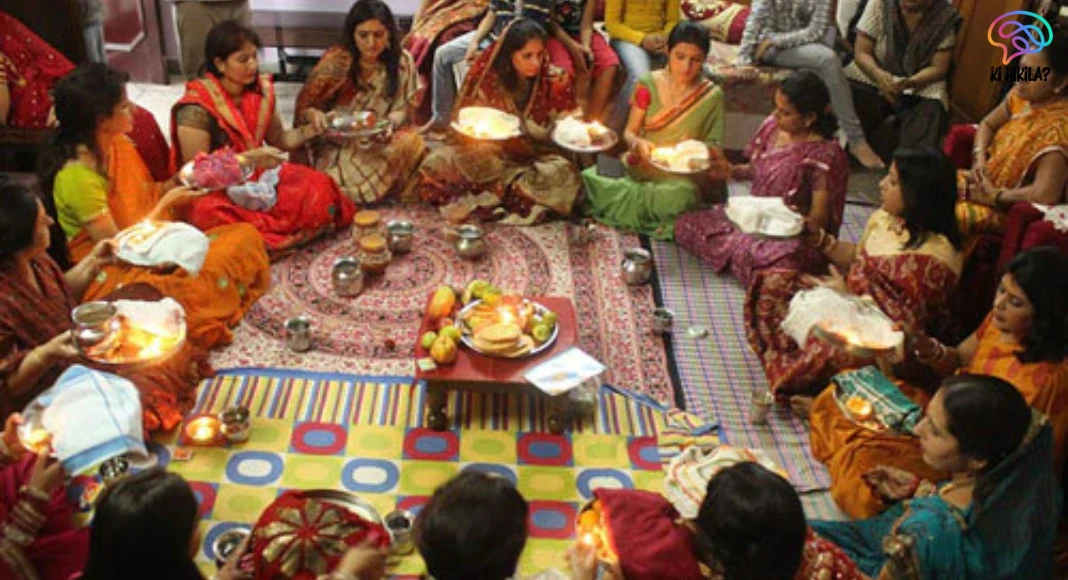
In the evening, women gather for the Karwa Chauth puja. During the puja, elders narrate stories related to the festival, emphasizing virtues such as devotion, patience, and the sanctity of marriage. Women sit in a circle, offering prayers to Goddess Parvati and seeking blessings for their husbands’ health and longevity. Traditional songs, folk music, and sometimes even performances make the evening a lively and culturally rich affair.
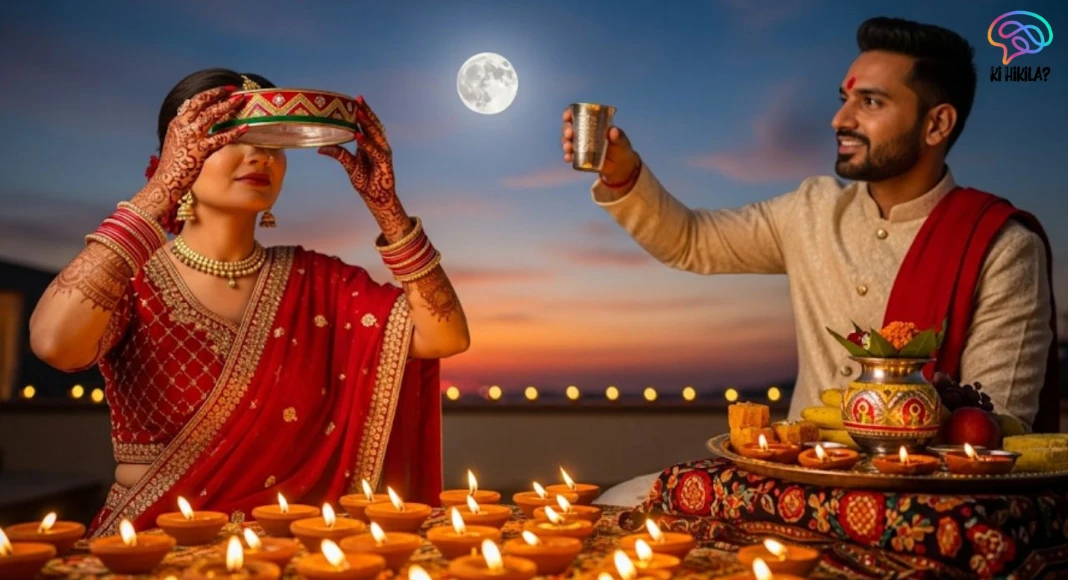
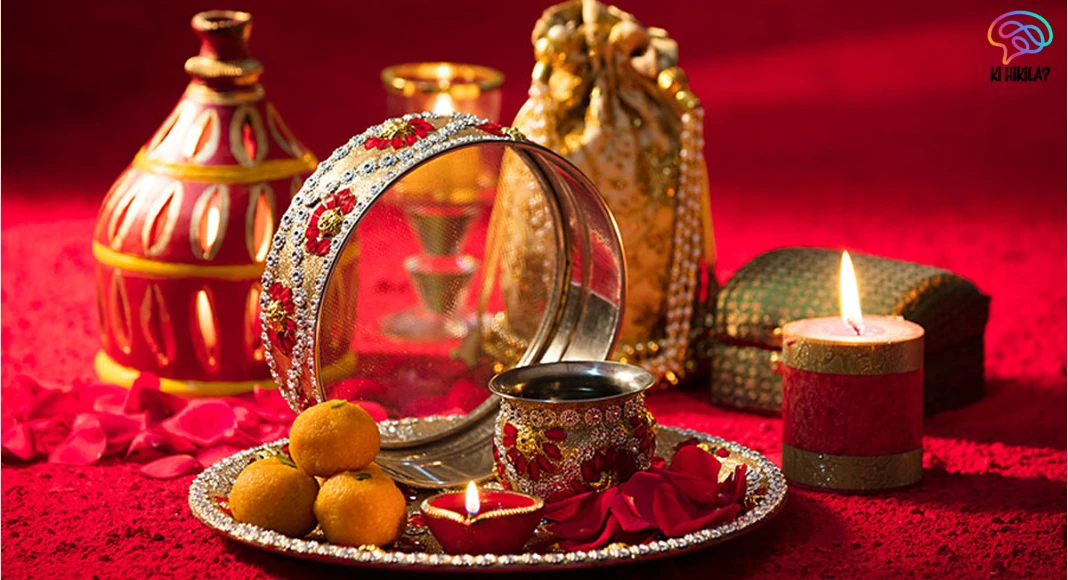
The fast is broken only after sighting the moon. Women use a sieve to view the moon and then their husband through it before taking the first sip of water and the first bite of food. This symbolic act reinforces the spiritual connection between husband and wife, making Karwa Chauth more than just a ritual of fasting.
Rituals and Significance
Karwa Chauth rituals are not only elaborate but also rich in symbolism. Every step of the festival has a deeper meaning related to marital harmony, devotion, and spiritual discipline.
- Sargi and Pre-Fast Preparation: Sargi is a pre-dawn meal prepared by the mother-in-law. It signifies love and care, setting a positive tone for the day of fasting. This meal often includes seasonal fruits, dry fruits, sweets, and traditional delicacies that provide sustenance throughout the day.
- Fasting and Self-Discipline: The day-long fast is the most critical aspect of Karwa Chauth. It represents patience, self-control, and the dedication of a wife towards her husband’s well-being. Fasting also reflects spiritual purification, as abstaining from food and water is believed to enhance devotion and mental focus.
- Puja and Storytelling: The evening puja is a key ritual where women offer prayers to Goddess Parvati and Lord Shiva. The ceremonial storytelling reminds participants of the values of loyalty, commitment, and marital fidelity.
- Moon Sighting and Breaking the Fast: The final act of sighting the moon and breaking the fast with one’s husband symbolizes the culmination of devotion and the reward of blessings. The sieve used during moon viewing represents filtering negativity and seeking clarity and purity in life.
Cultural Significance of the Festival
Karwa Chauth is more than a religious ritual; it is a celebration of culture, family, and social bonds. In many communities, the festival serves as an occasion for family gatherings, strengthening relationships between in-laws, and fostering unity among women. It also reflects the societal importance placed on marital harmony and respect for women’s dedication.
Beyond northern India, the festival has gained recognition across the country and even among Indian diaspora communities worldwide. In modern times, urban celebrations of Karwa Chauth often include elaborate social gatherings, themed parties, and media coverage, combining traditional rituals with contemporary expressions of culture.
Modern Trends in Karwa Chauth Celebrations
While Karwa Chauth remains rooted in tradition, the ways in which it is celebrated have evolved over time. Social media, television, and movies have popularized the festival among younger generations, leading to new trends in celebration. Many couples now use the festival to exchange gifts, celebrate with parties, and capture memorable moments through photography.
Additionally, health-conscious approaches to fasting have emerged. Some women opt for partial fasting, consuming liquids or light meals, balancing traditional devotion with modern lifestyle needs. Urban celebrations also emphasize fashion, with designers creating special Karwa Chauth collections of sarees, lehengas, jewelry, and accessories specifically for the festival.
Regional Variations of Karwa Chauth
Though Karwa Chauth is predominantly celebrated in northern India, regional variations add diversity to the festival. In Punjab, Haryana, Rajasthan, and Uttar Pradesh, rituals might differ slightly in terms of songs, attire, and puja methods, but the core essence of devotion and fasting remains intact.
In Rajasthan, for example, women often carry Karwa, an earthen pot, decorated with flowers and colors, to symbolize marital fidelity and prosperity. Folk songs and dances accompany the puja, enhancing the festive atmosphere. In Punjab, Karwa Chauth is integrated with other local festivals, bringing together larger communities in celebration.
Food and Sargi Delicacies for Karwa Chauth
Food plays a symbolic and functional role in Karwa Chauth. Sargi, as the pre-dawn meal, includes energy-rich and nutritious items to sustain women throughout the day. Common dishes include fruits such as bananas, apples, and pomegranates, dry fruits like almonds and cashews, milk, traditional sweets like laddoo or halwa, and light parathas or poha.
Evening rituals often involve sharing special sweets with family and neighbors after breaking the fast. Traditional dishes vary by region, reflecting local cuisine and cultural flavors. These foods are not only nourishing but also serve as a means of preserving culinary heritage tied to the festival.
Karwa Chauth in Popular Culture
Over time, Karwa Chauth has become a significant theme in Indian popular culture. Bollywood movies, television serials, and advertisements often portray the festival as a romantic and emotional event. Iconic films have depicted couples celebrating Karwa Chauth, highlighting its importance in love, marriage, and family values.
Social media has further amplified Karwa Chauth celebrations, with women sharing pictures, videos, and stories of their fasting rituals. The festival has also inspired fashion brands, jewelry designers, and food businesses to create exclusive Karwa Chauth products, integrating tradition with commerce.
Karwa Chauth as a Symbol of Love and Devotion
At its heart, Karwa Chauth is a celebration of love, patience, and devotion. The festival strengthens the emotional and spiritual bond between husband and wife, reminding couples of the importance of mutual respect, care, and commitment. In modern society, while gender roles are evolving, the essence of Karwa Chauth continues to promote expressions of love and marital harmony.
For many, the festival is also an opportunity to reflect on relationships, family values, and cultural heritage. It encourages women to engage with traditions while adapting rituals to fit their contemporary lifestyles, creating a balance between faith and modernity.
Conclusion
Karwa Chauth is a festival that beautifully intertwines tradition, culture, and emotional bonds. It celebrates love, devotion, and commitment, reminding society of the spiritual and social significance of marital relationships. From pre-dawn meals to evening pujas, fasting, and moon-viewing rituals, every aspect of Karwa Chauth reflects centuries of heritage and devotion.
In modern times, while celebrations have evolved with urban lifestyles, fashion trends, and social media influence, the core message of love, respect, and marital harmony remains untouched. Karwa Chauth continues to inspire couples, strengthen family ties, and preserve Indian cultural values, making it one of the most cherished festivals in the country.
FAQs about Karwa Chauth
1. What is Karwa Chauth?
Karwa Chauth is a traditional Hindu festival where married women fast from sunrise to moonrise for the well-being and longevity of their husbands.
2. Why is Karwa Chauth celebrated?
It is celebrated as a symbol of marital devotion, love, and commitment, honoring the bond between husband and wife.
3. Who observes Karwa Chauth?
Primarily married women observe the festival, but unmarried women may also fast in the hope of finding a good life partner.
4. What is Sargi?
Sargi is the pre-dawn meal prepared by the mother-in-law, including fruits, nuts, sweets, and light dishes, to sustain women during the day-long fast.
5. How is Karwa Chauth celebrated today?
Today, Karwa Chauth involves fasting, puja, storytelling, social gatherings, and modern adaptations like themed parties, gifts, and photography.
6. Are there health-friendly alternatives to fasting?
Yes, some women consume light meals or liquids to maintain energy while observing the spiritual essence of the fast.
7. What is the significance of the sieve in Karwa Chauth?
The sieve is used to view the moon and then the husband before breaking the fast, symbolizing clarity, filtering negativity, and spiritual focus.
8. Can unmarried women participate in Karwa Chauth?
Yes, unmarried women often fast for the well-being of their future spouses or to seek blessings for finding a good life partner.
9. Which states in India celebrate Karwa Chauth?
It is mainly celebrated in northern states like Punjab, Haryana, Uttar Pradesh, Rajasthan, and Bihar, but has spread to other parts of India and Indian communities worldwide.
10. What are common foods consumed during Sargi?
Common foods include fruits, dry fruits, milk, sweets like laddoo or halwa, poha, and light parathas.