International Men’s Day: Celebrating the Strength, Responsibility, and Well-being of Men

Every year, International Men’s Day is observed on November 19 across the globe. It is a day dedicated to recognizing and celebrating the positive contributions of men to society, families, and communities. While days like International Women’s Day receive widespread attention, International Men’s Day plays an equally important role in promoting gender balance, raising awareness about men’s health, and addressing the challenges men face in the modern world.
Thank you for reading this post, don't forget to subscribe!The day offers a platform to honor men who inspire through their integrity, sacrifice, and care, and to encourage conversations around gender equality, positive masculinity, and emotional well-being.
The Origin and History of International Men’s Day
The idea of dedicating a day to men’s contributions isn’t new. The first known observance dates back to 1992, organized by Thomas Oaster, a professor at the University of Missouri-Kansas City. However, it was in 1999 that Dr. Jerome Teelucksingh, a history lecturer from Trinidad and Tobago, formally established November 19 as International Men’s Day.
Dr. Teelucksingh chose this date to honor his father’s birthday and also to commemorate the efforts of men who had worked to improve their communities. His vision was to create a day that celebrates not only the achievements of men but also raises awareness about their health, relationships, and social responsibilities.
Since then, International Men’s Day has grown into a global movement, celebrated in over 80 countries, supported by various organizations, schools, and individuals advocating for men’s empowerment and equality.
The Theme of International Men’s Day
Each year, the celebration carries a specific theme to highlight pressing issues concerning men and boys. The themes often focus on topics such as men’s health, positive role models, or gender relations.

For instance, previous themes have included:
- “Making a Difference for Men and Boys”
- “Working Together for Men and Boys”
- “Positive Male Role Models”
- “Helping Men and Boys Live Longer, Happier, Healthier Lives”
These themes remind society that men’s well-being is essential for building a balanced, harmonious, and progressive world.
The Purpose and Objectives of International Men’s Day
International Men’s Day is not just about celebrating men; it’s about understanding and addressing the challenges they face in society. The objectives of this observance include:
- Promoting Positive Male Role Models: Highlighting the men who lead by example in their families, communities, and workplaces.
- Celebrating Men’s Contributions: Acknowledging men’s achievements in various fields such as science, education, health, social work, and caregiving.
- Improving Men’s Health: Drawing attention to health issues like prostate cancer, heart disease, mental health, and suicide prevention.
- Strengthening Gender Relations: Promoting equality and respect between men and women, fostering better communication and understanding.
- Creating a Safer World: Addressing issues like male victims of violence, domestic abuse, and homelessness.
- Promoting Emotional Well-being: Encouraging men to express emotions, seek help when needed, and prioritize mental wellness.
By fulfilling these objectives, International Men’s Day aims to reshape how society perceives masculinity and ensure that men receive the same emotional and social support that women are encouraged to seek.
Men’s Health: A Central Focus
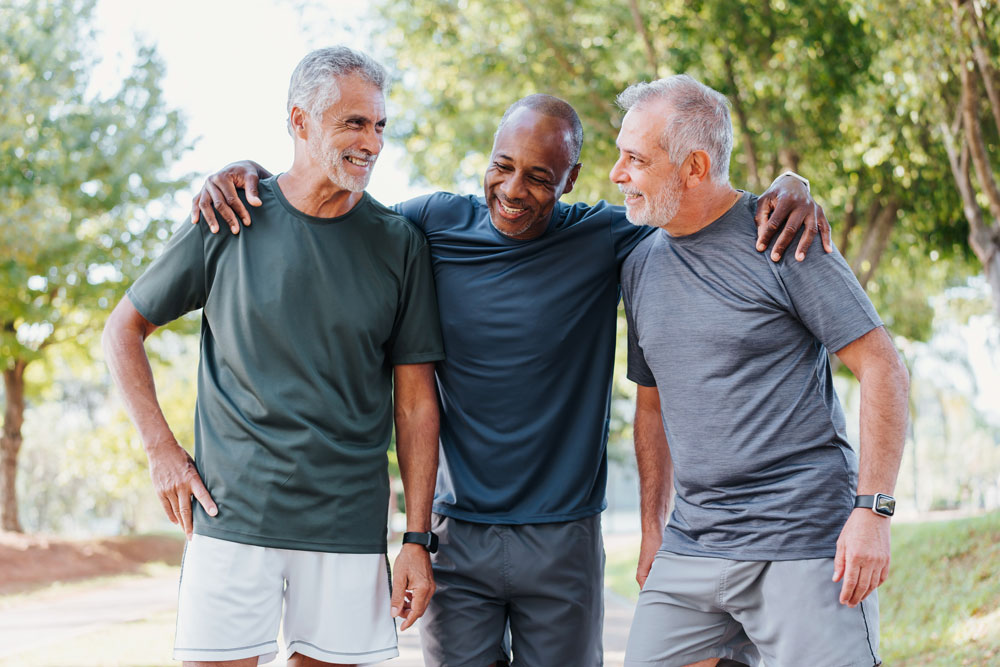
One of the most crucial discussions on International Men’s Day revolves around men’s health. Globally, men are often less likely than women to visit doctors regularly or discuss health problems openly. This leads to late detection of diseases, mental health issues, and preventable deaths.
According to global health studies:
- Men die on average 5 to 6 years earlier than women.
- Suicide rates are significantly higher among men.
- Men are more likely to die from heart diseases, liver conditions, and accidents.
International Men’s Day helps promote awareness about physical and mental health, encouraging men to take regular checkups, maintain a healthy lifestyle, and openly seek mental health support without fear of judgment.
Breaking Stereotypes Around Masculinity
In many societies, men are expected to be strong, emotionless, and resilient at all times. These stereotypes can be harmful, preventing men from expressing vulnerability or seeking help. International Men’s Day promotes positive masculinity an idea that being strong doesn’t mean suppressing emotions, and being responsible doesn’t mean facing challenges alone.
By promoting conversations about mental health, work-life balance, and emotional openness, this day helps dismantle traditional notions that men must always “tough it out.” Instead, it encourages compassion, empathy, and emotional intelligence traits that are vital for building healthy families and societies.
Men as Caregivers and Role Models
While men have traditionally been associated with breadwinning roles, the modern world recognizes the importance of men as caregivers, teachers, and mentors. From fathers and brothers to teachers and coaches, men play vital roles in nurturing and guiding the next generation.
International Men’s Day celebrates these roles, emphasizing that caregiving and emotional involvement are strengths, not weaknesses. It encourages men to participate equally in parenting, domestic responsibilities, and community-building efforts.
The Importance of Gender Equality and Partnership
International Men’s Day complements International Women’s Day together, they represent the idea that both genders must work side by side to create a more equitable world. It’s not about competition but collaboration.
When society supports men in addressing their unique challenges such as workplace pressure, mental health stigma, or unfair expectations it strengthens the entire social fabric. True gender equality can only exist when both men and women feel valued, heard, and supported.
How the World Celebrates International Men’s Day
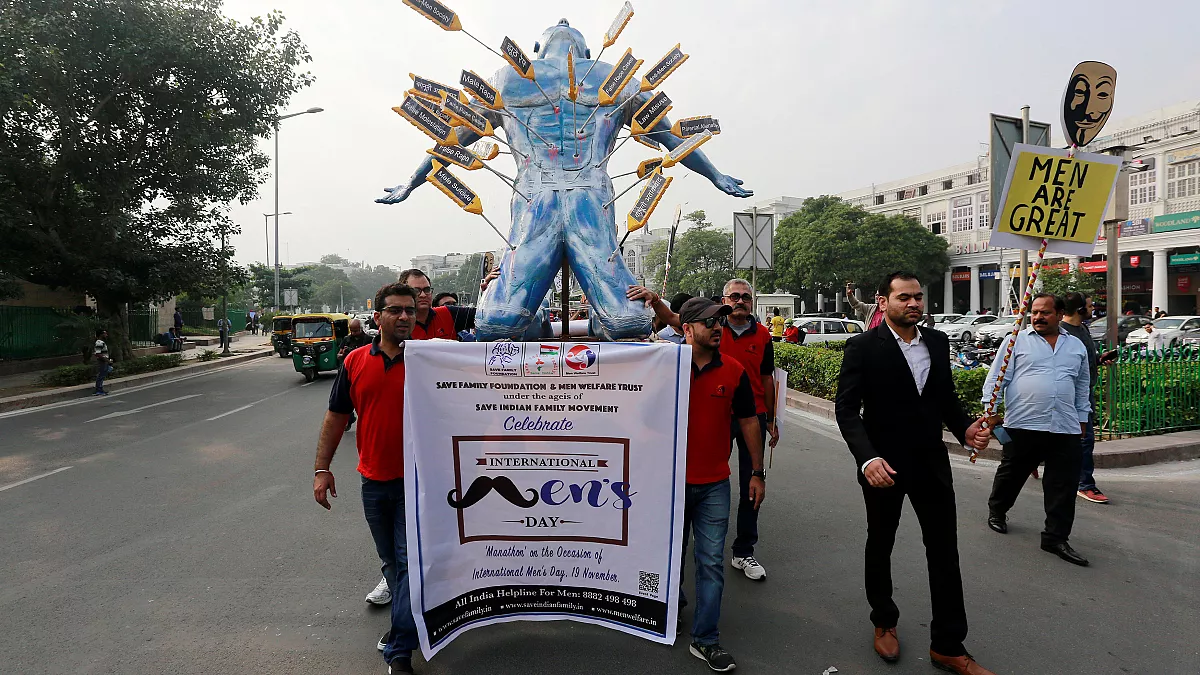
The observance of International Men’s Day varies across countries but often includes events and initiatives such as:
- Seminars and Conferences: Discussing men’s issues, gender equality, and mental health awareness.
- Health Camps: Organizing medical checkups and health talks focusing on men’s physical and mental well-being.
- Educational Programs: Schools and colleges hosting discussions on positive male role models.
- Community Events: Charity drives, blood donation camps, and public awareness campaigns.
- Social Media Campaigns: Online initiatives using hashtags like #InternationalMensDay and #PositiveMasculinity to share inspiring stories and messages.
These activities collectively help to highlight men’s diverse roles and foster a culture of appreciation and awareness.
Challenges Men Face in the Modern World
While progress toward gender equality continues, men also encounter specific challenges that often go unnoticed:
- Work Pressure: Men are frequently expected to be primary earners, leading to stress and burnout.
- Mental Health Stigma: Societal expectations discourage men from expressing emotions or seeking help.
- Domestic Violence: Male victims of abuse often hesitate to come forward due to shame or lack of support systems.
- Educational Gaps: In some regions, boys are more likely to drop out of school due to economic pressures.
- Parenting Bias: Fathers may face barriers in gaining custody or equal parental recognition.
Addressing these issues is crucial to ensuring that men enjoy emotional, physical, and social well-being equal to that of women.
Men Who Inspire: Global Role Models
International Men’s Day is also a time to recognize inspirational figures who have contributed to society through leadership, compassion, and resilience.
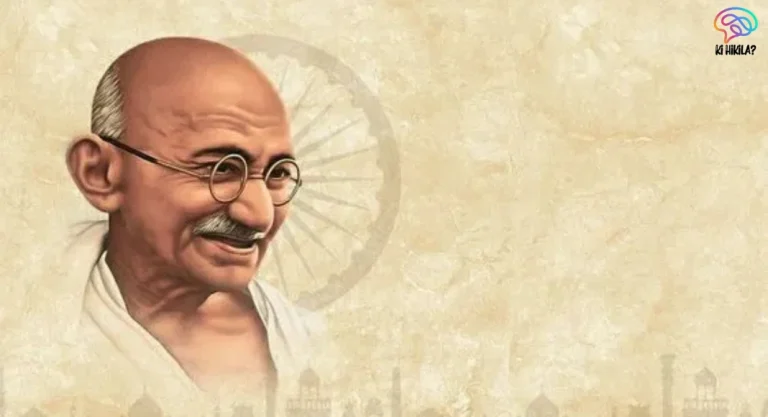
Leaders like Mahatma Gandhi, Nelson Mandela, Martin Luther King Jr., Abdul Kalam, and countless others remind us that masculinity rooted in empathy and service can change the world. These men symbolize the true spirit of International Men’s Day using strength for the betterment of humanity.
Encouraging Conversations About Men’s Mental Health
Mental health awareness has become one of the most powerful aspects of International Men’s Day. In recent years, campaigns around the world have encouraged men to speak openly about depression, anxiety, and emotional struggles.
Support groups, counseling programs, and online communities now help men overcome the stigma of vulnerability. This shift is essential because mental well-being affects families, relationships, and overall social stability.
The Role of Women in Supporting International Men’s Day
Women play an equally important role in celebrating International Men’s Day. Encouragement, understanding, and mutual respect between genders can create stronger family bonds and healthier societies. Recognizing men’s efforts and promoting equality benefits everyone because empowerment is not a zero-sum game.
Building a Better Future for Men and Boys
The future of International Men’s Day lies in continuous advocacy teaching younger generations that being a man is not about dominance or toughness but about integrity, respect, and care. Schools, workplaces, and media must promote healthy masculinity, respect for all genders, and mental well-being.
By creating inclusive spaces for both men and women, society can move toward real harmony one where both can thrive and contribute equally to progress.
Conclusion
International Men’s Day stands as a reminder that men, too, need appreciation, understanding, and support. It’s a celebration of the fathers, sons, brothers, teachers, and friends who make a difference through their strength, kindness, and perseverance.
This day encourages society to redefine masculinity, foster emotional health, and build environments where men and women can grow together with respect and equality. Ultimately, International Men’s Day is not just about men it’s about humanity, compassion, and the shared goal of a better, more balanced world.
FAQs about International Men’s Day
Q1. When is International Men’s Day celebrated?
International Men’s Day is celebrated every year on November 19 to recognize men’s positive contributions and raise awareness about their well-being.
Q2. Who started International Men’s Day?
The observance was established in 1999 by Dr. Jerome Teelucksingh from Trinidad and Tobago to celebrate men’s achievements and address issues affecting them.
Q3. What is the purpose of International Men’s Day?
The day aims to promote men’s health, celebrate positive male role models, strengthen gender relations, and encourage emotional well-being among men.
Q4. What is the theme of International Men’s Day 2025?
Each year has a unique theme. The 2025 theme is expected to focus on men’s mental health and positive masculinity, continuing efforts to promote balance and awareness.
Q5. How is International Men’s Day celebrated?
It is observed through seminars, community events, health camps, awareness programs, and social media campaigns that promote equality and men’s welfare.
Q6. Why is International Men’s Day important?
It helps break gender stereotypes, raises awareness about men’s physical and mental health, and promotes a balanced dialogue about gender equality.
Q7. How is International Men’s Day different from International Women’s Day?
While International Women’s Day focuses on women’s empowerment, International Men’s Day emphasizes men’s well-being and the importance of gender partnership and mutual respect.
Q8. What are some key issues addressed on International Men’s Day?
Key topics include mental health awareness, suicide prevention, fatherhood, work-life balance, and reducing gender bias against men in social and legal systems.
Q9. How can individuals participate in International Men’s Day?
People can participate by appreciating the men in their lives, sharing awareness posts online, attending local events, or supporting men’s mental health organizations.
Q10. Is International Men’s Day recognized globally?
Yes, it is celebrated in over 80 countries, with support from educational institutions, NGOs, and government bodies that promote men’s rights and equality.