


Sivasagar: History, Famous Places, Ahom Heritage and Culture of Assam

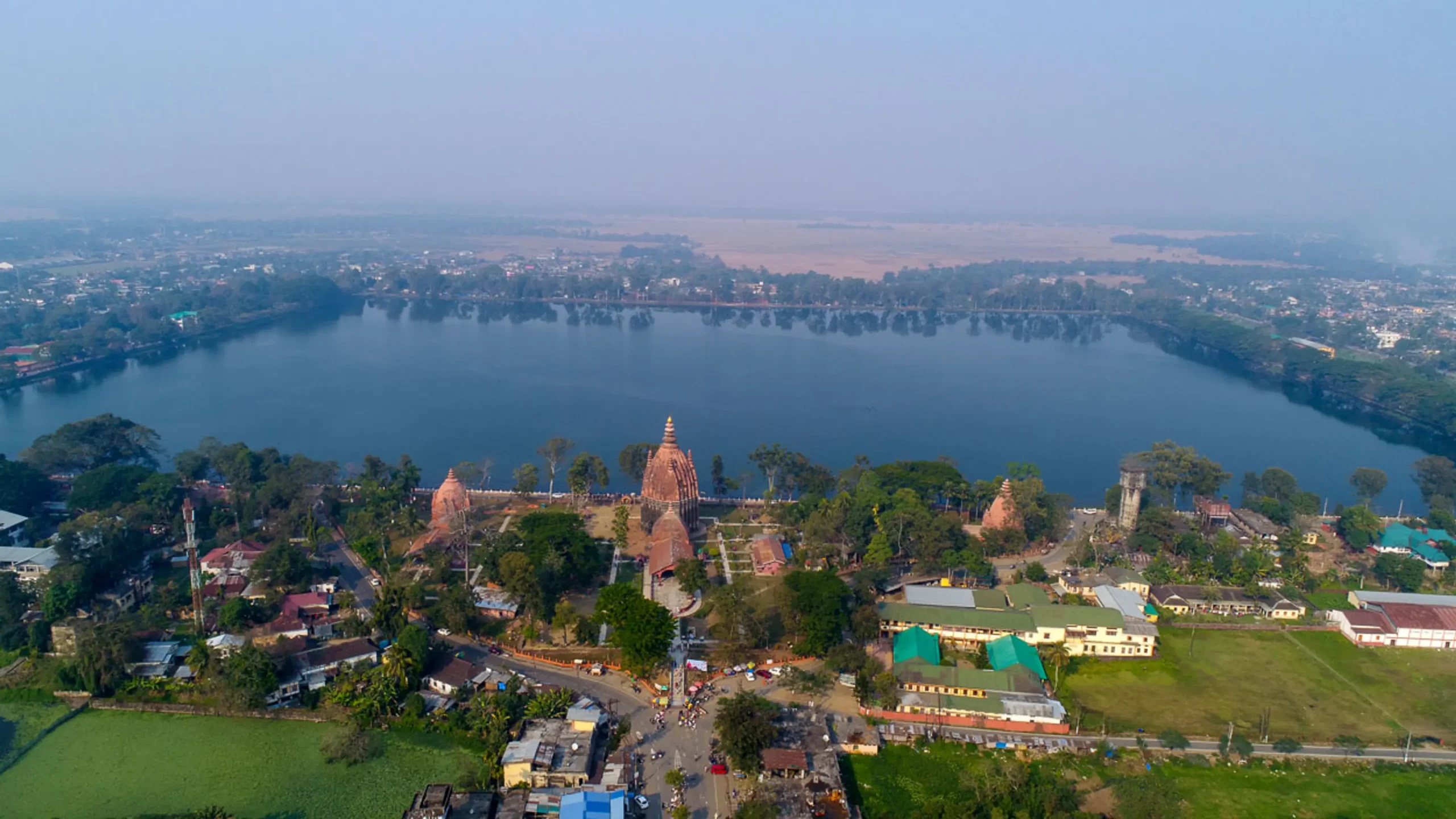
Sivasagar is one of the most historically important towns in Assam, India. Located in Upper Assam, it is famous for its magnificent monuments, ancient temples, large water tanks and rich cultural heritage. The town was closely connected with the Ahom kingdom, which ruled the Brahmaputra Valley for nearly six centuries.
Sivasagar represents the political, architectural, religious and cultural achievements of the Ahom rulers. Its famous monuments, including Rang Ghar, Talatal Ghar and Sivadol, provide a glimpse into the royal lifestyle and engineering knowledge of the Ahom dynasty.

The historical importance of Sivasagar has received international attention. On 19 June 2026, the Rangpur-Sivasagar Historic Ensemble was submitted to UNESCO’s World Heritage Tentative List by India under cultural criteria (iii) and (iv). The proposed heritage landscape includes royal buildings, temples, historic tanks, bridges and roads that together represent the Ahom capital’s development.
Sivasagar is not only a destination for history lovers. Its festivals, traditional food, religious practices, music and local traditions also make it an important centre of Assamese culture.
Historical Background of Sivasagar
The history of Sivasagar is closely connected with the rise and development of the Ahom kingdom.
The Ahom dynasty was established by Chaolung Sukaphaa, a Tai prince who entered the Brahmaputra Valley in 1228 CE. He crossed the Patkai Hills and gradually established a new kingdom in Assam.
Sukaphaa founded the first Ahom capital at Charaideo. Over the following centuries, the Ahom rulers expanded their territory across the Brahmaputra Valley and developed a powerful political system.
The Ahoms maintained their political identity while integrating with several indigenous communities of Assam. Their administration, military organisation, agriculture, architecture and cultural traditions contributed significantly to the development of Assamese society.
The Rise of Rangpur
During the seventeenth and eighteenth centuries, the Ahom kingdom experienced significant political and cultural growth.
Swargadeo Rudra Singha, who ruled from 1696 to 1714, established Rangpur as a planned royal city. Rangpur became a major centre of administration, royal ceremonies, military activities and cultural celebrations.
The city was designed with royal palaces, temples, roads, large water tanks and ceremonial spaces. Its location near rivers, wetlands and elevated land influenced its development.
The Rangpur landscape reflects how the Ahom rulers combined political authority, religious traditions, water management and urban planning.
The Ahom Resistance Against the Mughals
The Ahom kingdom is also remembered for its successful resistance against Mughal expansion into Assam.
The Battle of Saraighat in 1671 was one of the most important events in Assam’s history. The Ahom forces, led by Lachit Borphukan, defeated the Mughal army in a major naval battle on the Brahmaputra River.
The victory helped protect the Ahom kingdom from Mughal control and became an important symbol of courage and regional identity.
The End of Ahom Rule
The Ahom kingdom gradually weakened due to internal conflicts and political instability.
Burmese invasions in the early nineteenth century caused further destruction. In 1826, the Treaty of Yandabo was signed after the First Anglo-Burmese War. This marked the beginning of British dominance in Assam.
Although the Ahom kingdom ended, its monuments, cultural traditions and historical legacy continued to influence Assamese society.
Rangpur-Sivasagar Historic Ensemble and UNESCO
The Rangpur-Sivasagar Historic Ensemble is an important cultural landscape associated with the Ahom kingdom.
It is different from a collection of separate monuments because its buildings, water bodies, roads and ceremonial spaces were designed to work together.
The landscape represents several important aspects of Ahom statecraft:
- Political administration and royal authority
- Religious beliefs and temple construction
- Military defence and fortification
- Water management and hydraulic engineering
- Urban planning and transportation
- Cultural traditions and royal ceremonies
The ensemble was submitted to UNESCO’s World Heritage Tentative List on 19 June 2026. It is listed under cultural criteria (iii) and (iv).
A Tentative List entry is an important step in the World Heritage nomination process. However, it does not mean that a property has already been inscribed on the UNESCO World Heritage List.
The ensemble includes Rang Ghar, Talatal Ghar, Joysagar, Gaurisagar, Sivasagar tank, Namdang Stone Bridge, Fakuwa Doul, Pohugarh and other historic structures.
Famous Places to Visit in Sivasagar
Sivasagar has several historical monuments that showcase the architectural and engineering achievements of the Ahom rulers.
| Famous Place | Historical Importance |
|---|---|
| Rang Ghar | Royal pavilion used for watching sports and cultural events |
| Talatal Ghar | Royal palace and military-administrative complex |
| Sivadol | Important Shiva temple beside Sivasagar tank |
| Joysagar | Historic tank built in memory of Queen Joymati |
| Gaurisagar | Tank and temple complex associated with Queen Phuleswari |
| Namdang Stone Bridge | Historic stone bridge showing Ahom engineering |
| Fakuwa Doul | Monument associated with Queen Joymati |
| Pohugarh | Historic animal enclosure and important bird habitat |
Rang Ghar: The Royal Pavilion
Rang Ghar is one of the most famous historical monuments in Sivasagar. It is located at Rupahi Pathar in the Rangpur area.
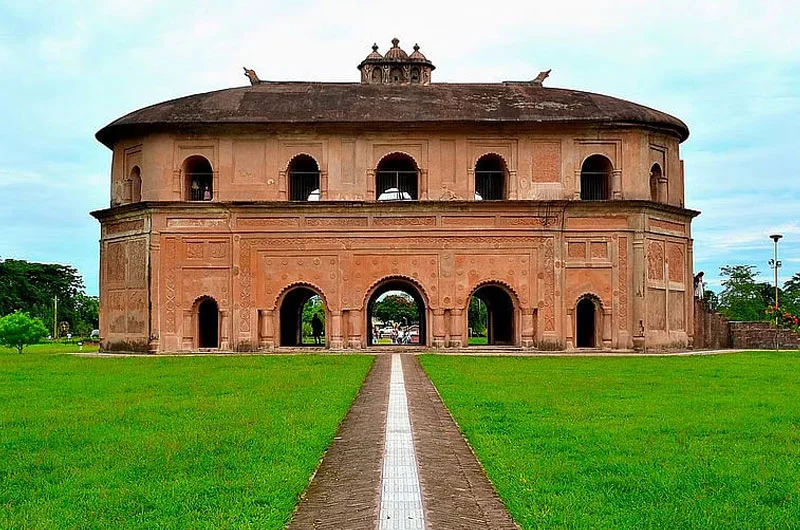
The monument served as a royal sports pavilion where Ahom kings and nobles watched activities such as wrestling, buffalo fights and other sporting events.
Rang Ghar was also connected with royal celebrations of Rongali Bihu. The nearby Rupahi Pathar served as an important space for cultural festivities.
The most distinctive feature of Rang Ghar is its inverted boat-shaped roof. This design reflects the connection between the Ahom kingdom and the rivers of Assam.
The building was originally constructed using traditional materials and was later rebuilt in brick during the reign of Pramatta Singha in the eighteenth century.
Rang Ghar is widely recognised as one of Asia’s oldest surviving amphitheatre-like structures.
Talatal Ghar: The Royal Palace
Talatal Ghar is one of the largest and most impressive Ahom monuments.
It forms part of the Kareng Ghar complex and represents the royal, military and administrative power of the Ahom rulers.
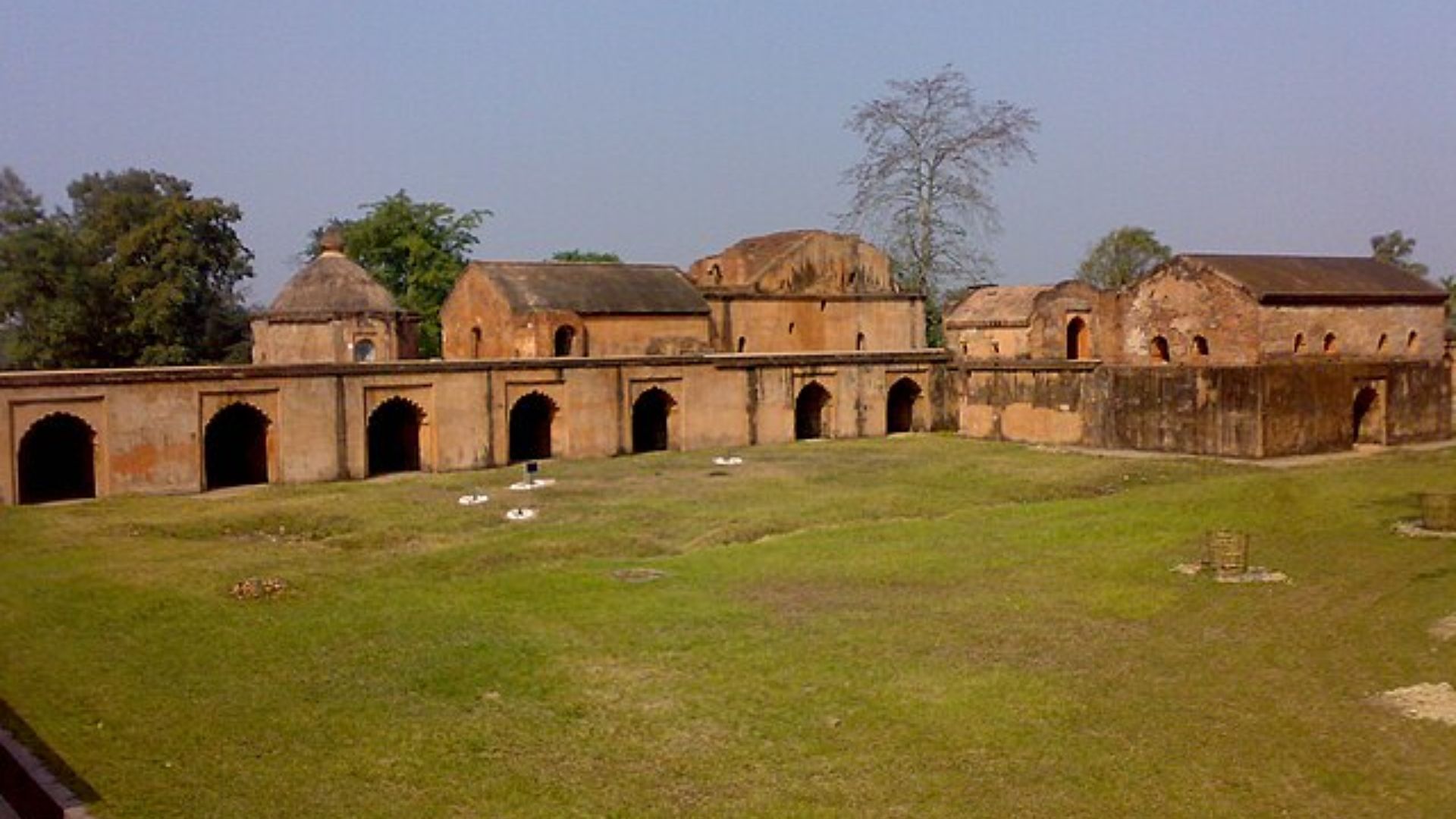
The palace is traditionally associated with multiple storeys, including underground levels. Its different sections were used for royal residence, administration, storage and military purposes.
The complex was protected by fortifications, earthen embankments and water-filled dikes. These defensive features show how the Ahoms used architecture to support military strategy.
Talatal Ghar is an important example of the connection between palace architecture and the political organisation of the Ahom kingdom.
Sivadol: The Famous Shiva Temple
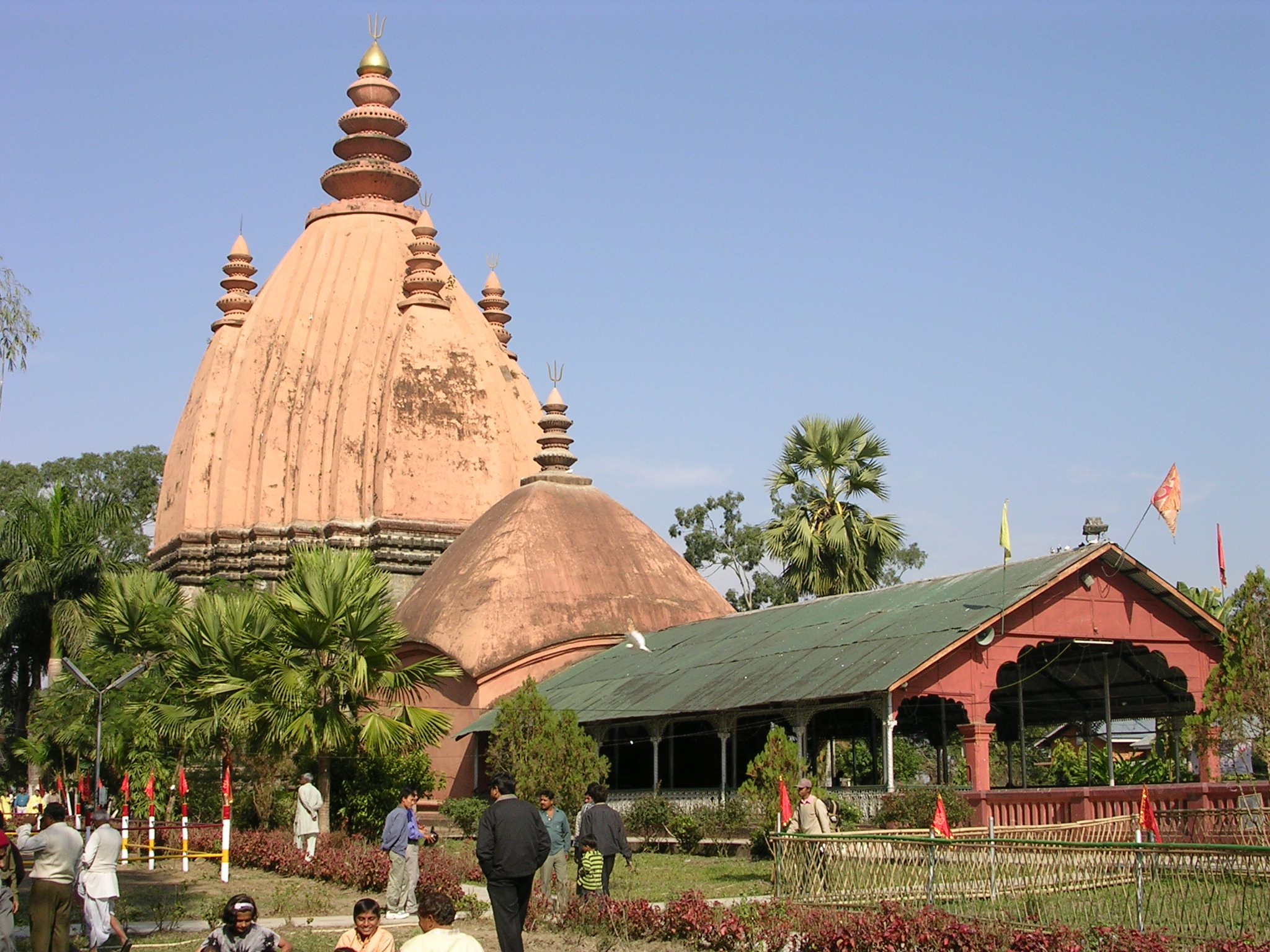
Sivadol is one of the most recognisable religious monuments in Sivasagar.
The temple stands beside the Sivasagar tank and is dedicated to Lord Shiva. It forms part of a historic temple complex that also includes Devidol and Joydol.
The temple is known for its impressive height, brick construction and distinctive tower.
Sivadol demonstrates how the Ahom rulers and royal families supported religious architecture. The placement of temples beside large water bodies also reflects the close relationship between religion, water management and urban planning.
Joysagar: A Historic Water Tank
Joysagar is one of the largest historic tanks associated with the Ahom kingdom.
King Rudra Singha constructed Joysagar in memory of his mother, Queen Joymati, in 1707.
The tank is surrounded by historic temples and forms an important part of the Rangpur cultural landscape.
Joysagar was not simply a decorative water body. It served practical, religious and cultural purposes. Its presence also shows the Ahom rulers’ understanding of water conservation and landscape management.
Gaurisagar: The Temple and Water Landscape
Gaurisagar is another important historical tank in the Sivasagar region.
It is associated with Queen Phuleswari, the chief queen of King Siva Singha.
The Gaurisagar temple complex reflects the importance of the Shakta tradition, which focuses on the worship of the Goddess.
The main temple is dedicated to Durga. The complex also demonstrates how royal women contributed to the construction of temples, tanks and other cultural structures during the Ahom period.
Namdang Stone Bridge
The Namdang Stone Bridge is an important example of Ahom engineering.
It was built in the early eighteenth century and crosses the Namdang River, which belongs to the Brahmaputra river system.
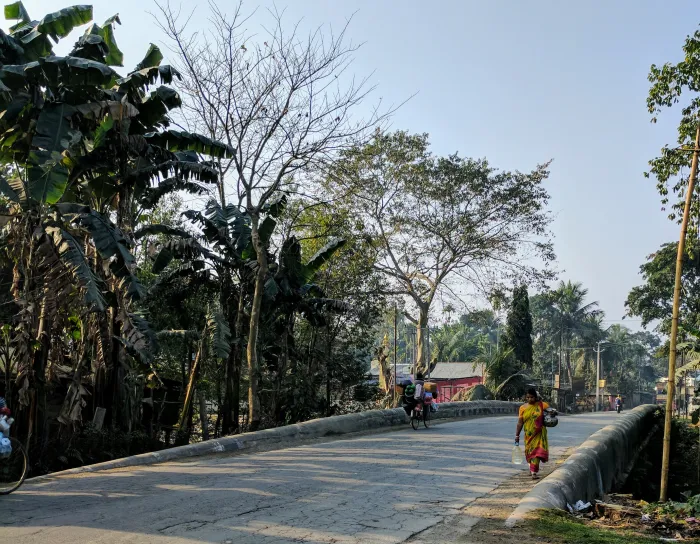
The bridge supported transportation, trade, communication and the movement of people and military forces.
Its construction demonstrates the technical skills of the artisans who developed durable infrastructure in the region.
Fakuwa Doul and Pohugarh
Fakuwa Doul is another historic structure associated with Rudra Singha and Queen Joymati.
Its distinctive architectural design includes an octagonal base and stairways on different sides.
Pohugarh is a historic enclosure associated with the Ahom royal family. It includes artificial water-filled trenches and earthen mounds.
The area was historically associated with the keeping of animals. Today, it also has ecological importance because it supports local and migratory birds.
These sites show that the historic landscape of Sivasagar includes both cultural and natural heritage.
Ahom Architecture and Engineering
Ahom architecture developed through the combination of Tai-Ahom traditions, indigenous Assamese practices and influences from other parts of India.
Early structures were often built using bamboo and timber. From the seventeenth century onwards, brick and stone became increasingly important construction materials.
Ahom architecture can broadly be divided into two categories.
Religious architecture: Temples, shrines and other religious buildings.
Secular architecture: Palaces, forts, pavilions, roads, bridges, tanks and administrative structures.
The temples of Sivasagar display a combination of local architectural traditions and broader Indian influences.
The palace and pavilion structures show how the Ahoms developed buildings for administration, defence, royal entertainment and public ceremonies.
The Rangpur-Sivasagar landscape is especially important because it preserves these architectural traditions within a connected historic environment.
The Great Tanks and Ahom Water Management
One of the most remarkable achievements of the Ahom rulers was their water management system.
The Ahoms constructed numerous ponds and large tanks, locally known as pukhuris and sagars.
These water bodies served several purposes:
- Drinking water supply
- Irrigation and agriculture
- Drainage and water conservation
- Religious ceremonies
- Landscape planning
- Defence and protection of buildings
The tanks were connected with embankments, drainage channels, roads and surrounding structures.
Their construction required knowledge of soil conditions, water levels, embankments and the surrounding landscape.
The historic tanks of Sivasagar provide important lessons for modern water management, wetland conservation and climate-resilient urban planning.
This knowledge is especially relevant to Assam, where floods and water-related disasters remain major challenges.
Culture and Traditions of Sivasagar
The culture of Sivasagar reflects the long history of the Ahom kingdom and the cultural traditions of Assam.
The Ahoms gradually adopted and contributed to Assamese language, religion, food, festivals and social customs. Their cultural development was influenced by Tai-Ahom traditions and their interactions with local communities.
Today, Sivasagar remains an important centre of Assamese cultural identity.
Rongali Bihu and Traditional Festivals
Bihu is one of the most important festivals of Assam. The three major Bihu festivals are Rongali Bihu, Bhogali Bihu and Kongali Bihu.
Rongali Bihu, celebrated in April, marks the beginning of the Assamese New Year and the agricultural season. It is associated with new beginnings, farming, music and dance.
Rongali Bihu was also celebrated by the Ahom royalty. Rang Ghar and the surrounding open grounds were associated with royal Bihu festivities.
Bhogali Bihu, celebrated in January, is connected with the harvest season. Traditional community feasts, bonfires and gatherings are important parts of the festival.
Kongali Bihu, celebrated in October, is associated with the agricultural season when crops are growing in the fields.
These festivals demonstrate the close connection between Assamese culture, agriculture and nature.
Tai-Ahom Cultural Heritage
The Tai-Ahom community has played an important role in shaping the cultural history of Sivasagar.
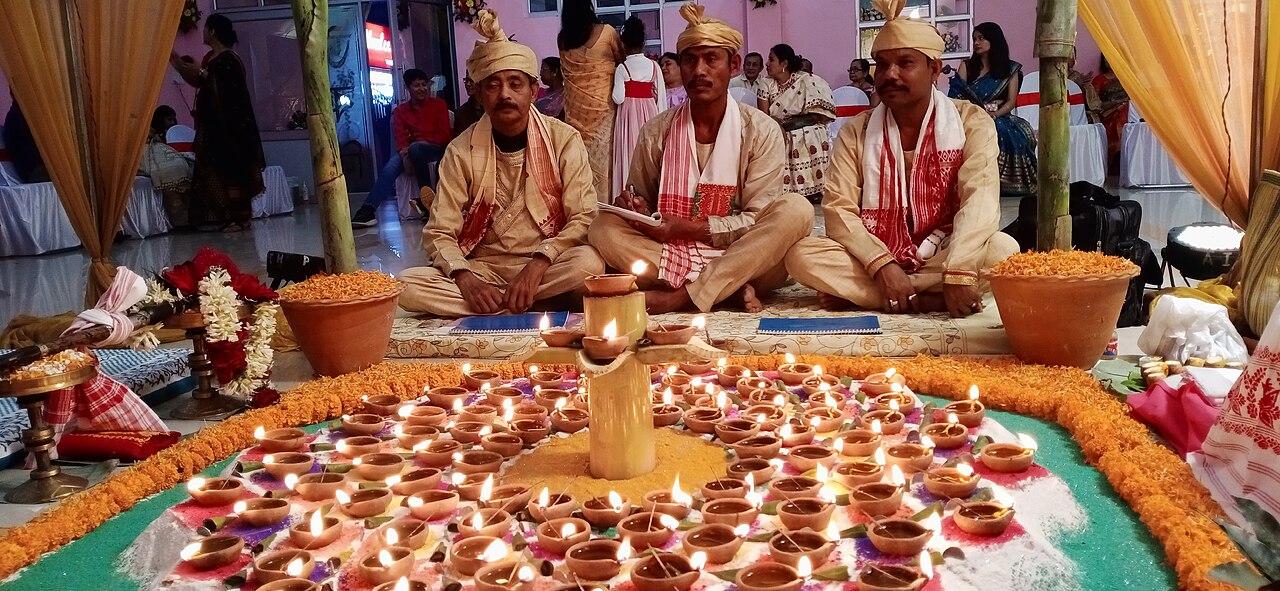
The community preserves traditional customs, rituals, historical accounts and cultural practices connected with the Ahom kingdom.
The Buranjis, historical chronicles maintained during the Ahom period, are important sources for understanding the kingdom’s political and social history.
Tai-Ahom cultural traditions also include traditional religious practices and ceremonies connected with water, ancestors and community life.
These traditions help preserve the historical identity of the region.
Traditional Music and Dance
Music and dance are important parts of Assamese cultural life.
Bihu dance is one of the most popular traditional dance forms in Assam. It is performed during Bihu celebrations and is known for its energetic movements and rhythmic music.
Traditional instruments include the dhol, pepa, gogona, taal and flute.
The dhol provides the main rhythm, while the pepa, traditionally made from buffalo horn, produces a distinctive sound associated with Bihu music.
Sivasagar’s cultural traditions are also connected with the broader Assamese tradition of devotional music, including Borgeet and other forms of religious singing.
Food and Traditional Cuisine
The food culture of Sivasagar reflects the traditional cuisine of Upper Assam.
Rice is the main food of the region and is commonly served with vegetables, fish, meat and traditional preparations.
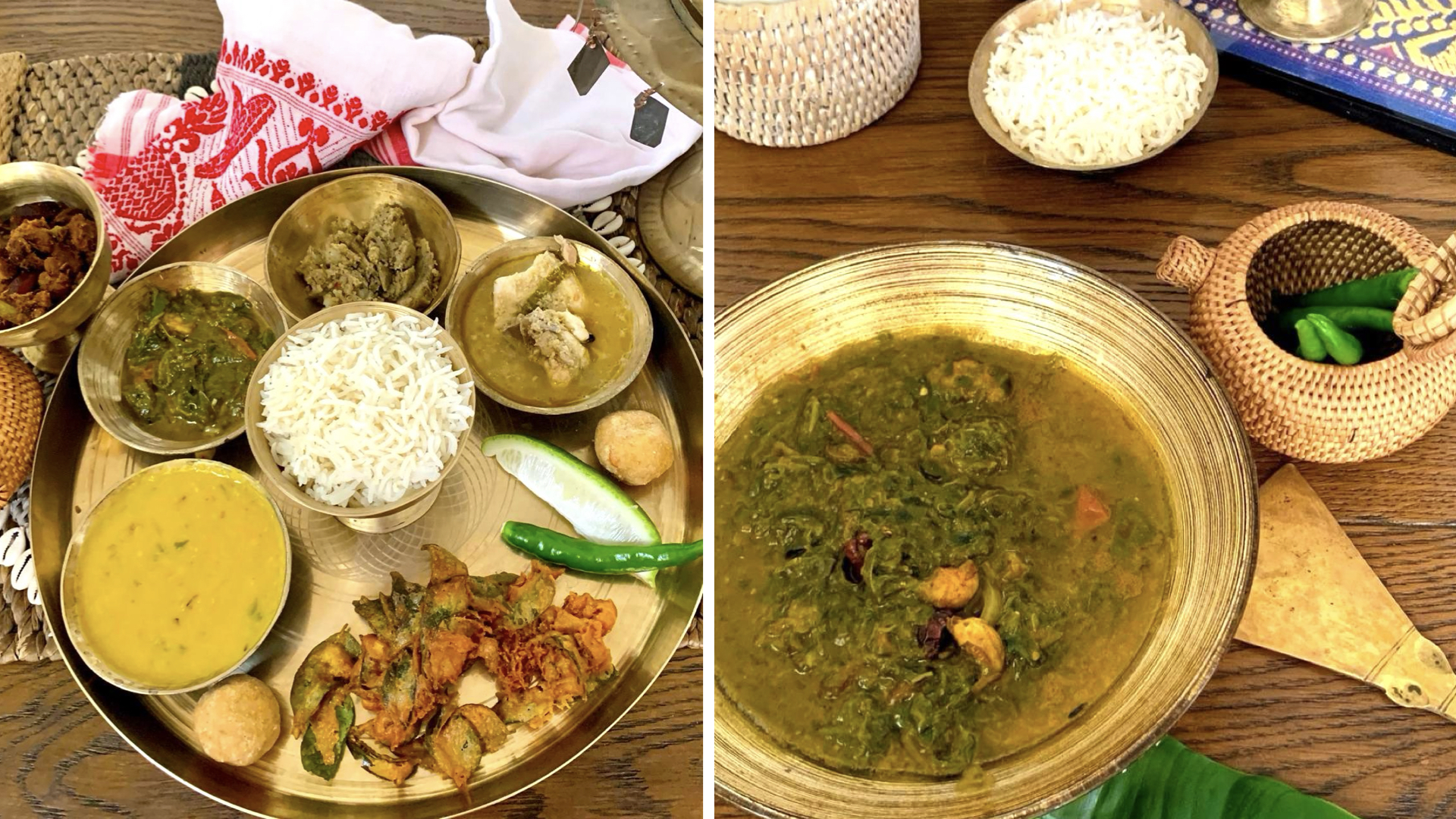
Some popular Assamese dishes include:
- Khar, a traditional preparation made using an alkaline ingredient
- Masor Tenga, a sour fish curry
- Aloo Pitika, mashed potatoes prepared with mustard oil and other ingredients
- Duck curry, commonly prepared for special occasions
- Pitha, a traditional rice-based food prepared during festivals
Local food traditions are closely connected with agriculture, seasonal ingredients and community celebrations.
Sivasagar and the Difference Between Rangpur-Sivasagar and Charaideo Moidams
Assam has two important UNESCO-related references connected with Ahom heritage.
| Feature | Rangpur-Sivasagar Historic Ensemble | Charaideo Moidams |
|---|---|---|
| Historical importance | Political and ceremonial centre | Royal funerary landscape |
| Main structures | Palaces, temples, tanks, bridges and roads | Burial mounds of Ahom royalty |
| UNESCO status | Tentative List submission in 2026 | World Heritage List inscription in 2024 |
| Main significance | Ahom statecraft and urban planning | Ahom funerary traditions |
The Charaideo Moidams were inscribed on the UNESCO World Heritage List in 2024. They represent the burial traditions of the Ahom rulers.
The Rangpur-Sivasagar Historic Ensemble represents the political, ceremonial and architectural landscape of Ahom rule.
A simple way to remember the difference is:
Charaideo represents where the Ahom rulers were buried, while Rangpur-Sivasagar represents where they ruled.
Tourism and the Importance of Sivasagar
Sivasagar is an important destination for historical and cultural tourism in Assam.
Visitors can explore royal palaces, ancient temples, historic bridges and large water tanks. These attractions provide an opportunity to understand the development of the Ahom kingdom.
The town is also an important destination for students, researchers, historians and people interested in traditional architecture.
Heritage tourism can support local communities by creating opportunities for tour guides, artisans, cultural performers, transport providers and hospitality businesses.
The UNESCO Tentative List submission may help increase international awareness of Sivasagar’s heritage. However, long-term benefits depend on proper conservation and responsible tourism.
The protection of monuments, tanks, wetlands, roads and local cultural traditions is essential to maintaining the historic character of the region.
Heritage Conservation and Future Challenges
The historic monuments of Sivasagar face several conservation challenges.
Urban growth, encroachment, pollution, sedimentation of water bodies and changes in land use can affect the historic landscape.
The protection of Sivasagar should not focus only on individual monuments.
A broader conservation approach should include:
- Historic buildings and temples
- Water bodies and wetlands
- Roads and bridges
- Traditional landscapes
- Local cultural practices
- Community participation
The Ahom water management system also provides lessons for modern environmental planning.
Its traditional knowledge can help researchers understand water conservation, flood management and the relationship between urban development and natural landscapes.
The Rangpur-Sivasagar Historic Ensemble is an example of how historical knowledge can contribute to future development.
Conclusion
Sivasagar is a remarkable historical destination that represents the political, architectural, religious and cultural achievements of the Ahom kingdom.
Its famous monuments, including Rang Ghar, Talatal Ghar, Sivadol and the great historic tanks, provide evidence of the Ahoms’ advanced engineering knowledge and rich cultural traditions.
The Rangpur-Sivasagar Historic Ensemble brings these structures together as an integrated cultural landscape. Its submission to UNESCO’s World Heritage Tentative List in 2026 has brought further attention to the heritage of Assam.
Beyond its monuments, Sivasagar preserves the traditions of Bihu, Assamese music, traditional food and the cultural identity of the Tai-Ahom community.
The importance of Sivasagar lies not only in its history but also in the lessons it offers for heritage conservation, environmental planning and sustainable tourism.
Protecting Sivasagar means preserving an important part of Assam’s identity and passing its rich cultural heritage to future generations.
Frequently Asked Questions About Sivasagar
Where is Sivasagar located?
Sivasagar is located in Upper Assam, India. It is approximately 360 km from Guwahati and around 55 km east of Jorhat.
Why is Sivasagar famous?
Sivasagar is famous for its Ahom historical monuments, including Rang Ghar, Talatal Ghar, Sivadol, Joysagar and the Namdang Stone Bridge.
Who founded the Ahom kingdom?
Chaolung Sukaphaa founded the Ahom kingdom after entering the Brahmaputra Valley in 1228 CE.
What is Rang Ghar?
Rang Ghar is a historic royal pavilion where Ahom kings and nobles watched sporting events and cultural celebrations.
What is the importance of Joysagar?
Joysagar was constructed by King Rudra Singha in memory of his mother, Queen Joymati. It is an important example of Ahom water management and religious landscape planning.
Is Sivasagar a UNESCO World Heritage Site?
The Rangpur-Sivasagar Historic Ensemble was submitted to UNESCO’s World Heritage Tentative List on 19 June 2026. It has not thereby become an inscribed World Heritage Site.
What is the difference between Sivasagar and Charaideo?
Sivasagar represents the political and ceremonial landscape of Ahom rule, while Charaideo is famous for the royal burial mounds known as Moidams.
Which festivals are celebrated in Sivasagar?
Rongali Bihu, Bhogali Bihu and Kongali Bihu are among the important festivals celebrated in Sivasagar. The region also preserves Tai-Ahom cultural and religious traditions.