


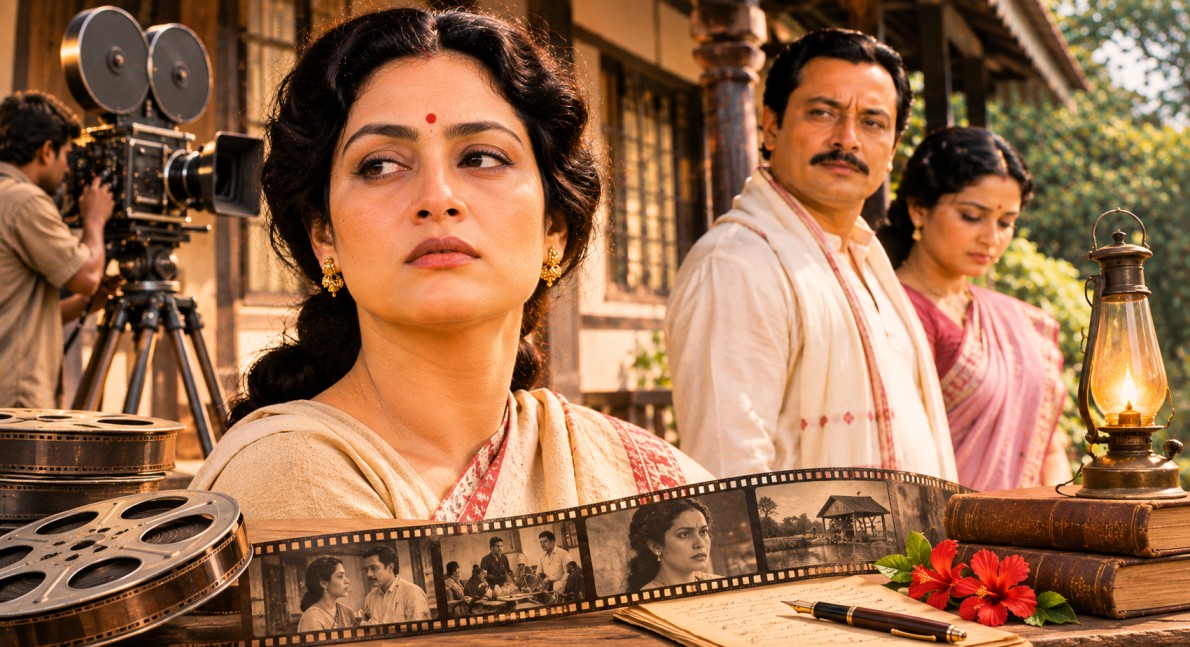
Agnisnaan (1985): A Landmark Assamese Movie

Agnisnaan Film (1985) is an important Assamese drama that explores human emotions, family relationships, betrayal and the struggle for dignity. Directed by the renowned filmmaker and writer Dr Bhabendra Nath Saikia, the film is based on his novel Antareep.
The story follows Menoka, a devoted wife whose life changes when her wealthy husband, Mohikanta, decides to marry another woman. Her patience, love and sacrifice are tested as she faces humiliation and emotional pain within her own family.

Starring Indra Bania, Kashmiri Saikia Baruah, Chetana Das, Moloya Goswami and Biju Phukan, the film presents a powerful story about women’s suffering and their fight for respect.
Agnisnaan received national recognition and was selected for several international film festivals. Its emotional storytelling and strong characters make it a memorable work in Assamese cinema.
Important Details About Agnisnaan
The following table provides the important information about the film.
| Particulars | Details |
|---|---|
| Film Name | Agnisnaan |
| Release Year | 1985 |
| Director | Dr Bhabendra Nath Saikia |
| Original Story | Antareep |
| Writer | Bhabendra Nath Saikia |
| Lead Cast | Indra Bania, Kashmiri Saikia Baruah |
| Other Cast | Chetana Das, Moloya Goswami, Biju Phukan |
| Language | Assamese |
| Country | India |
| Genre | Drama |
| National Awards | Best Screenplay and Best Regional Film |
| Film Festival Selection | Indian Panorama and international festivals |
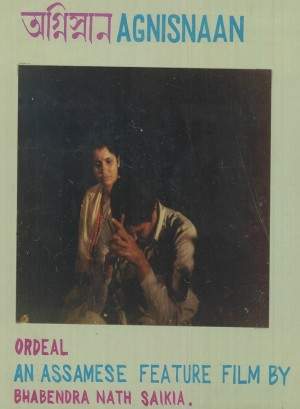
Story of Agnisnaan
The story of Agnisnaan is set in a small town during the late 1930s. It presents the lives of different people, including poor workers, villagers and wealthy families.
The central character, Mohikanta, is a rich businessman who owns a successful rice mill. He is married to Menoka, a beautiful and devoted woman from a cultured family. Menoka gives her husband love, care and respect. She also takes responsibility for raising their four children.
However, Mohikanta is driven by wealth, pride and personal desires. His behaviour creates tension within the family, but Menoka continues to maintain peace and happiness in the household.
One day, Mohikanta meets Kiran, a young woman from a poor family. He becomes attracted to her and decides to marry her as his second wife.
The unexpected marriage shocks Menoka and the entire family. Despite the pain, Menoka accepts Kiran into the household and continues to care for her children.
Mohikanta later tries to return to Menoka’s bedroom, but she refuses to accept him physically. She tells him that although she has accepted his second marriage, he must respect her decision to remain separate from him.
This rejection makes Mohikanta angry. His behaviour becomes increasingly cruel, while Menoka struggles with emotional pain and her desire for revenge.
The story explores the complicated relationships between Menoka, Mohikanta, Kiran and the other members of the family. It shows how betrayal and injustice can change the lives of people who once lived together peacefully.
Menoka: A Story of Women’s Struggle
Menoka is the most important character in Agnisnaan. Her life reflects the struggles of women who face emotional abuse and unequal treatment within marriage.
She has spent years supporting her husband and raising her children. However, Mohikanta’s second marriage destroys the trust and respect that once existed between them.
Menoka initially accepts the situation with patience. She even welcomes Kiran into the household and takes care of her baby.
But beneath her calm appearance, Menoka experiences deep emotional suffering. Her decision to resist Mohikanta becomes a turning point in the story.
The film presents her not simply as a victim but as a woman who gradually discovers her strength. Her final confrontation with Mohikanta represents a powerful challenge to the traditional expectations placed on women.
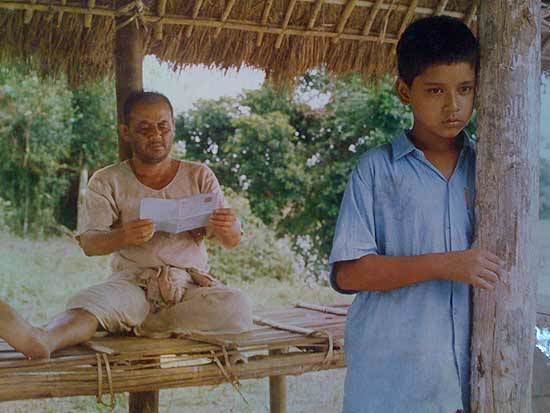
Cast and Characters
The actors bring emotional depth to the film through their performances.
| Actor | Character |
|---|---|
| Indra Bania | Mohikanta |
| Kashmiri Saikia Baruah | Menoka |
| Chetana Das | Supporting Role |
| Ashok Deka | Supporting Role |
| Moloya Goswami | Supporting Role |
| Arjun Guha Thakuria | Supporting Role |
| Arun Nath | Supporting Role |
| Biju Phukan | Supporting Role |
The performances of the cast help present the emotional struggles of the characters. Menoka’s character is especially memorable because of her transformation from a devoted wife into a woman who refuses to accept injustice.
Music of Agnisnaan
The music and sound of Agnisnaan contribute to the emotional atmosphere of the film. The story is built around family conflict, betrayal and the inner struggles of its characters, making the overall sound design an important part of its storytelling.
The film’s dramatic scenes rely heavily on dialogue, expressions and the atmosphere of the surroundings. The sound of the rice mill, the quiet moments inside the family home and the tension between the characters help create a powerful emotional experience.
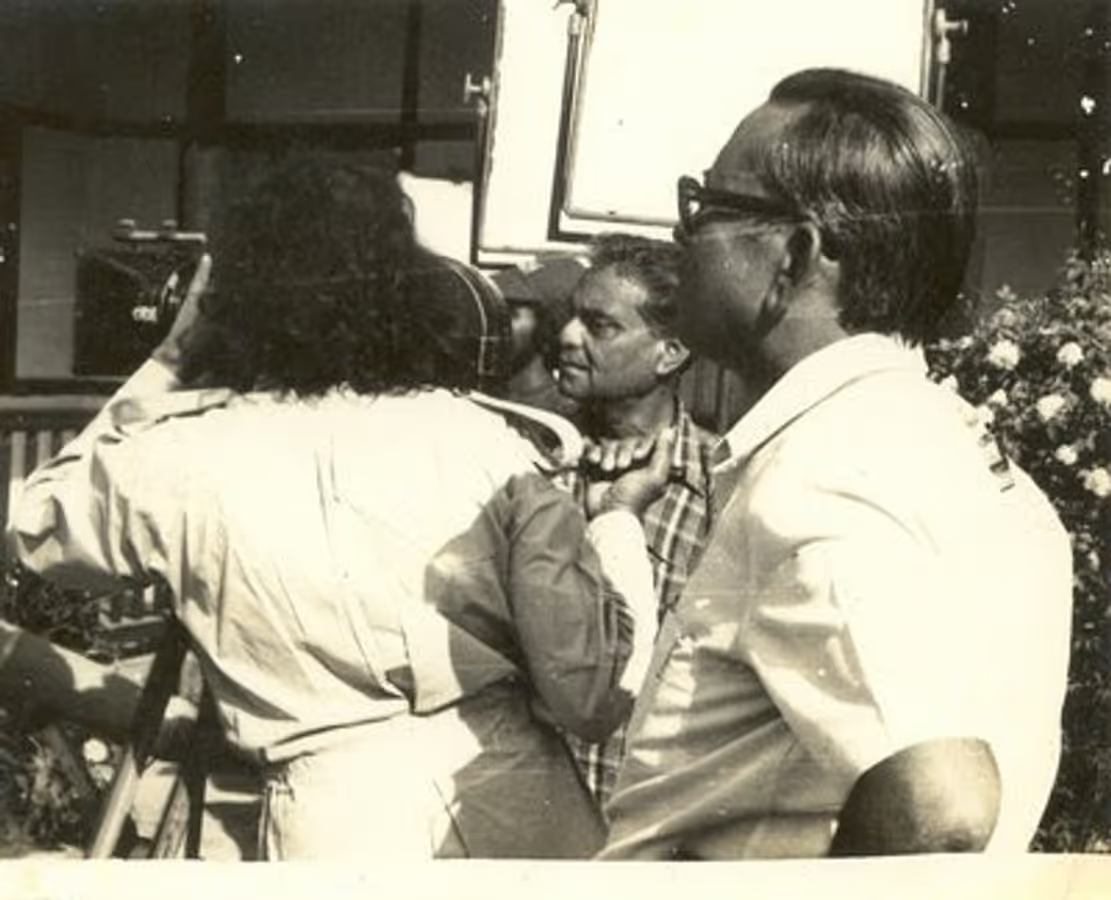
Awards and Recognition
Agnisnaan received significant recognition for its artistic and storytelling achievements.
The film won the National Film Award for Best Regional Film in 1985. Dr Bhabendra Nath Saikia also received the National Film Award for Best Screenplay for his work on the film.
These awards recognised the film’s strong narrative, meaningful characters and contribution to Assamese cinema.
The film was also selected for several important international film festivals.
| Award or Festival | Recognition |
|---|---|
| National Film Awards, 1985 | Best Regional Film |
| National Film Awards, 1985 | Best Screenplay for Dr Bhabendra Nath Saikia |
| Indian Panorama | Official Selection |
| Nantes Film Festival, France | Selected |
| Pyongyang Film Festival, North Korea | Selected |
| Dhaka Film Festival, Bangladesh | Selected |
| Silver Jubilee Festival of Independence, Algeria | Selected |
These achievements helped introduce Assamese cinema to audiences outside India.
Importance of Agnisnaan in Assamese Cinema
Agnisnaan is an important film because it explores social issues through a deeply personal story.
The film highlights the unequal treatment of women, the misuse of wealth and power, and the emotional consequences of betrayal within marriage.
Dr Bhabendra Nath Saikia’s storytelling focuses on human psychology. Instead of presenting simple characters, he shows how people experience conflicting emotions such as love, anger, jealousy, fear and revenge.
The film also reflects the strength of Assamese literature and its connection with cinema. By adapting his own novel, Saikia brought a complex literary story to the screen.
Its national awards and international selections demonstrate the importance of Assamese films in Indian regional cinema.
Conclusion
Agnisnaan Film (1985) remains a significant work in Assamese cinema. Directed by Dr Bhabendra Nath Saikia, it tells a powerful story of love, betrayal, emotional suffering and women’s resistance.
The character of Menoka represents the struggles of women who face injustice within their families. Her journey from silent suffering to open resistance gives the film its lasting emotional strength.
The film’s National Film Awards and international recognition highlight its artistic importance. Agnisnaan continues to be remembered for its meaningful story, powerful performances and thoughtful portrayal of human relationships.
FAQs
What is Agnisnaan?
Agnisnaan is a 1985 Assamese drama film directed by Dr Bhabendra Nath Saikia.
Who directed Agnisnaan?
Dr Bhabendra Nath Saikia directed the film.
Which novel is Agnisnaan based on?
The film is based on Bhabendra Nath Saikia’s novel Antareep.
Who played the lead roles in Agnisnaan?
Indra Bania and Kashmiri Saikia Baruah played the central characters of Mohikanta and Menoka.
What is the main story of Agnisnaan?
The film tells the story of Menoka, a devoted wife who faces emotional suffering after her wealthy husband marries another woman.