


Michael Kremer Named World Bank Chief Economist

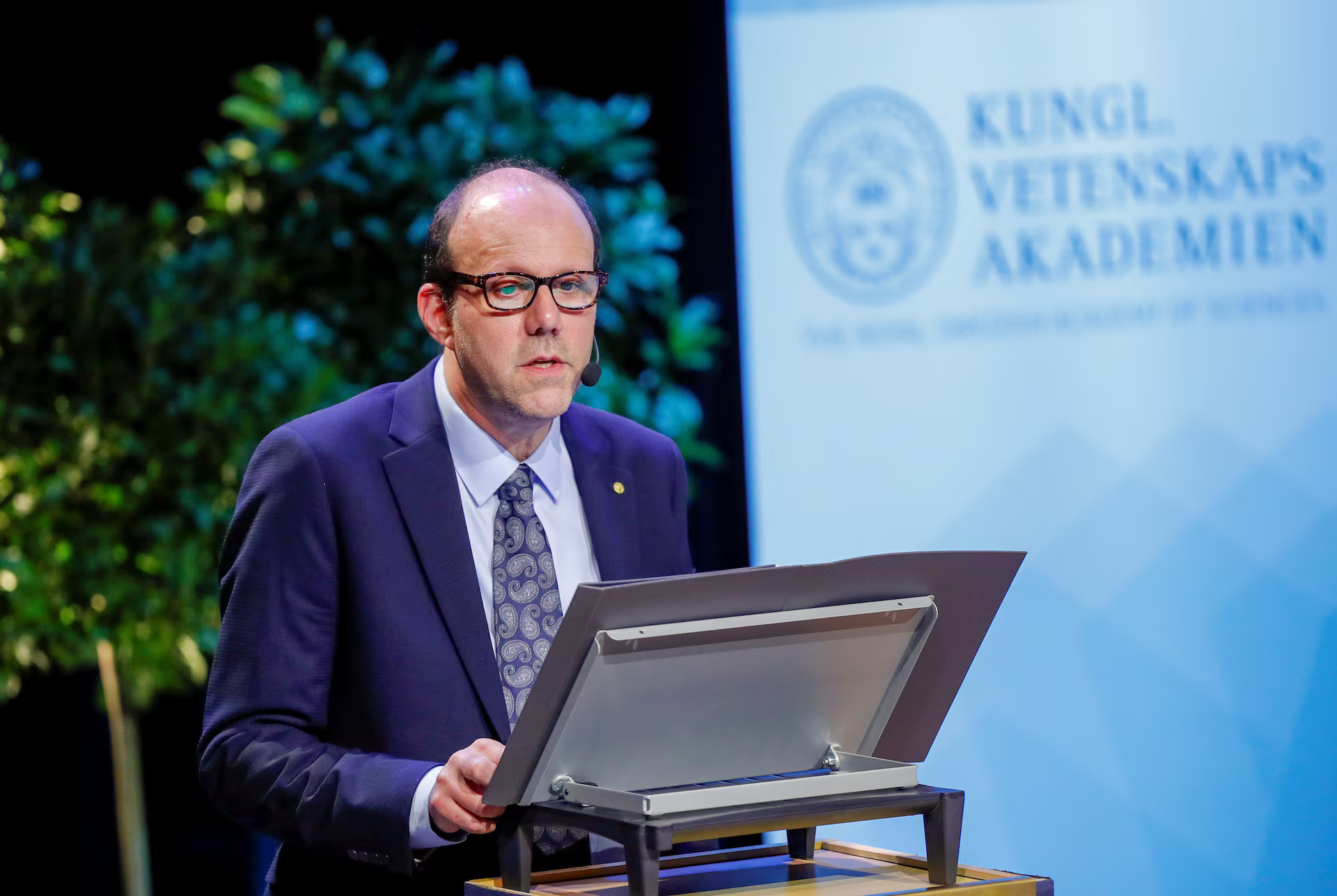
Michael Kremer has been appointed as the next Chief Economist and Senior Vice President for Development Economics at the World Bank Group. The World Bank announced the appointment on September 16, 2026, with Kremer set to begin his new role on October 1, 2026. He will succeed Indermit Gill, who retired from the position in August.
Thank you for reading this post, don't forget to subscribe!Michael Kremer to Lead World Bank Research
In his new position, Michael Kremer will lead the World Bank’s research and economic analysis work. The Chief Economist also heads the Development Economics Vice Presidency, which provides research and data to support policies on development, poverty reduction and economic growth.
The role covers a wide range of areas that affect developing countries, including education, healthcare, agriculture, public finance, trade and access to essential services. Kremer’s research background closely connects with many of these areas.
World Bank President Ajay Banga said Kremer’s experience in using evidence and innovation to address development challenges would be valuable to the institution as it works with countries facing complex economic and social issues.
2019 Nobel Prize Winner
Kremer is a Nobel Prize-winning economist who shared the 2019 Nobel Prize in Economic Sciences with Abhijit Banerjee and Esther Duflo. The three economists were recognised for their experimental approach to reducing global poverty.
Their work helped expand the use of field experiments in development economics. Instead of relying only on broad economic theories, researchers can use carefully designed studies to test whether specific policies and programmes work in real-world settings.
This approach has been used to study issues such as education, healthcare and access to financial services in developing countries.

Research Focus on Developing Countries
Before joining the World Bank leadership team, Michael Kremer was associated with the University of Chicago, where he served as a University Professor. He also led the Development Innovation Lab, which focuses on finding and testing practical solutions to development problems.
His research has covered areas including education, agriculture, health, water and financial services. Much of this work has examined how evidence can be used to improve public programmes and increase their impact.
His experience is particularly relevant to the World Bank because the institution finances development projects while also providing governments with economic research and policy advice.
Kremer’s Work on Innovation
A major part of Kremer’s academic work has involved finding ways to improve access to important services in low- and middle-income countries. His research has examined questions such as how agricultural technologies can reach farmers, how education programmes can improve learning and how healthcare interventions can deliver better results.
The Development Innovation Lab has also worked with researchers, governments and other organisations to test development programmes before they are expanded.
As World Bank Chief Economist, Kremer will be responsible for a much wider research agenda, covering economies and development challenges across different regions.
Change in World Bank Economic Leadership
Kremer takes over from Indermit Gill, who served as World Bank Group Chief Economist and Senior Vice President for Development Economics before retiring in August 2026.
The change comes as the World Bank continues to focus on challenges facing developing economies, including weak growth, high debt, climate-related risks, food security and the need for greater investment.
The institution has also placed greater attention on creating jobs, supporting private-sector investment and improving basic services in developing countries.
World Bank Focus on Development
The World Bank Group works with governments around the world on areas such as poverty reduction, infrastructure, education, healthcare, economic development and climate resilience.
The Chief Economist plays an important role in shaping the research and evidence that supports this work. The position also involves communicating economic trends and development challenges to governments, researchers and international institutions.
With Michael Kremer taking office on October 1, the World Bank’s economic research team will enter a new phase under an economist whose career has focused strongly on evidence-based approaches to development and poverty reduction.