Shigellosis Outbreak Kerala Raises Health Concerns

The Shigellosis Outbreak Kerala has raised serious public health concerns due to the highly contagious nature of the disease. Reported in Kerala, the outbreak is caused by Shigella bacteria and is a major contributor to diarrhoeal illnesses, especially in areas with poor sanitation and hygiene. Health authorities are taking steps to control the spread and protect vulnerable groups.
Thank you for reading this post, don't forget to subscribe!What is Shigellosis
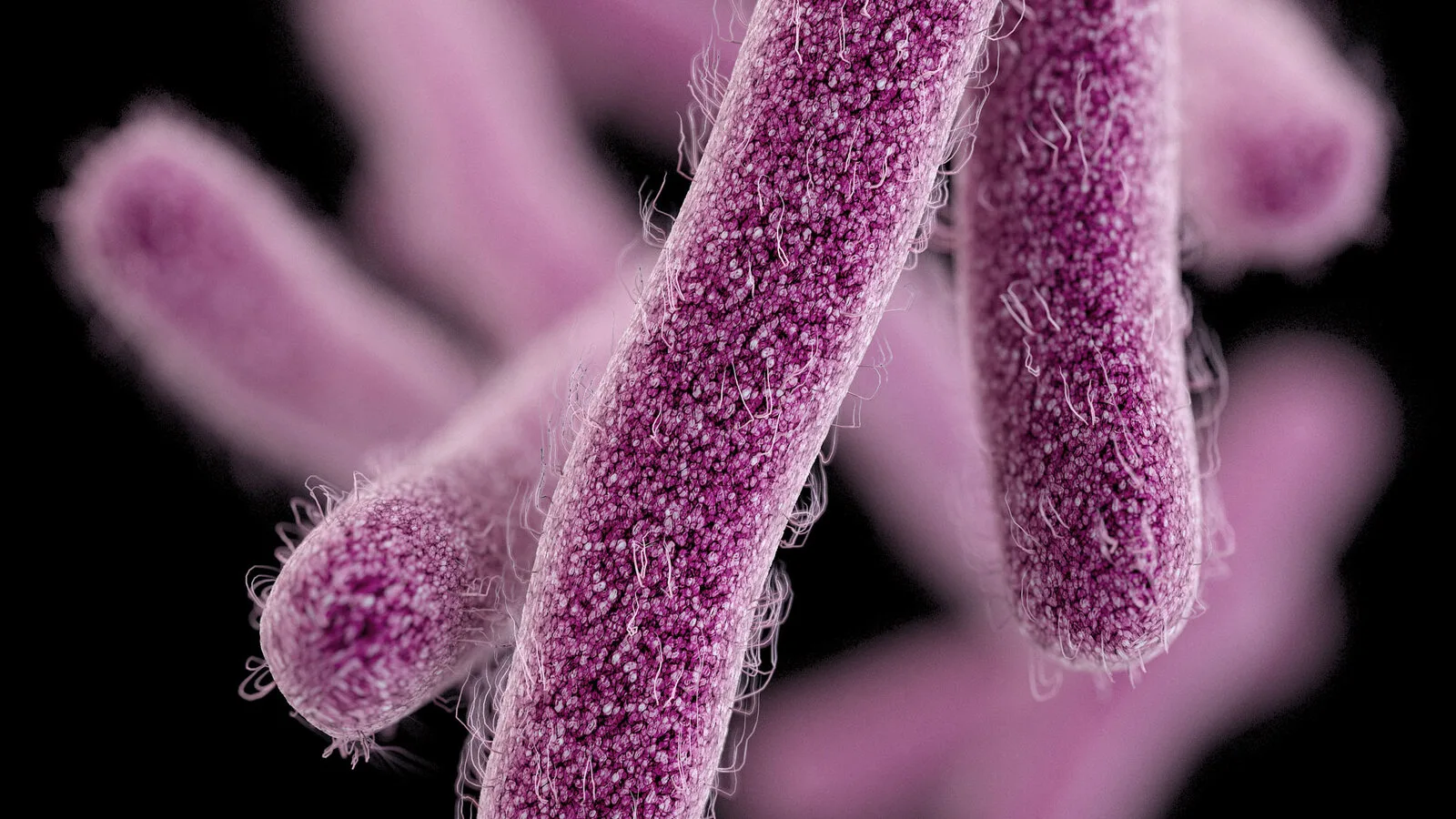
Shigellosis is an infectious disease caused by a group of bacteria known as Shigella. It mainly affects the intestines and leads to acute diarrhoea. The disease is one of the leading bacterial causes of diarrhoea worldwide. Humans are the only natural carriers of this bacteria, which makes human-to-human transmission very common.
Transmission and Risk Groups
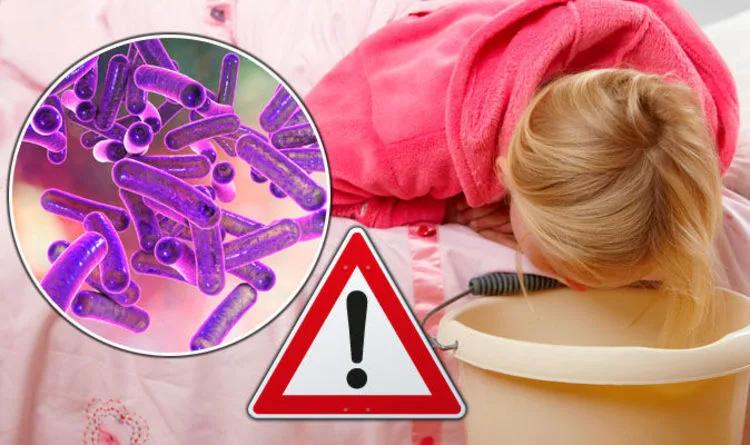
The infection spreads mainly through the faecal-oral route. This can happen through contaminated food, unsafe drinking water, or direct contact with infected individuals. Poor hygiene practices increase the risk of infection. It may also spread through close personal or sexual contact.
Young children under five years are most affected. Elderly people, malnourished individuals, and those with weak immune systems are also at higher risk of severe infection.
Symptoms and Clinical Features
The most common symptom of shigellosis is diarrhoea, which can sometimes be bloody or contain mucus. The illness may last for several days. Other symptoms include stomach cramps, fever, vomiting, and a frequent feeling of needing to pass stool even when the bowels are empty. The severity of symptoms can differ depending on a person’s health condition.
Shigellosis Outbreak Kerala Treatment and Prevention
Shigellosis is usually a self-limiting disease, meaning mild cases often recover without special treatment. However, serious cases may need antibiotics and proper medical care.
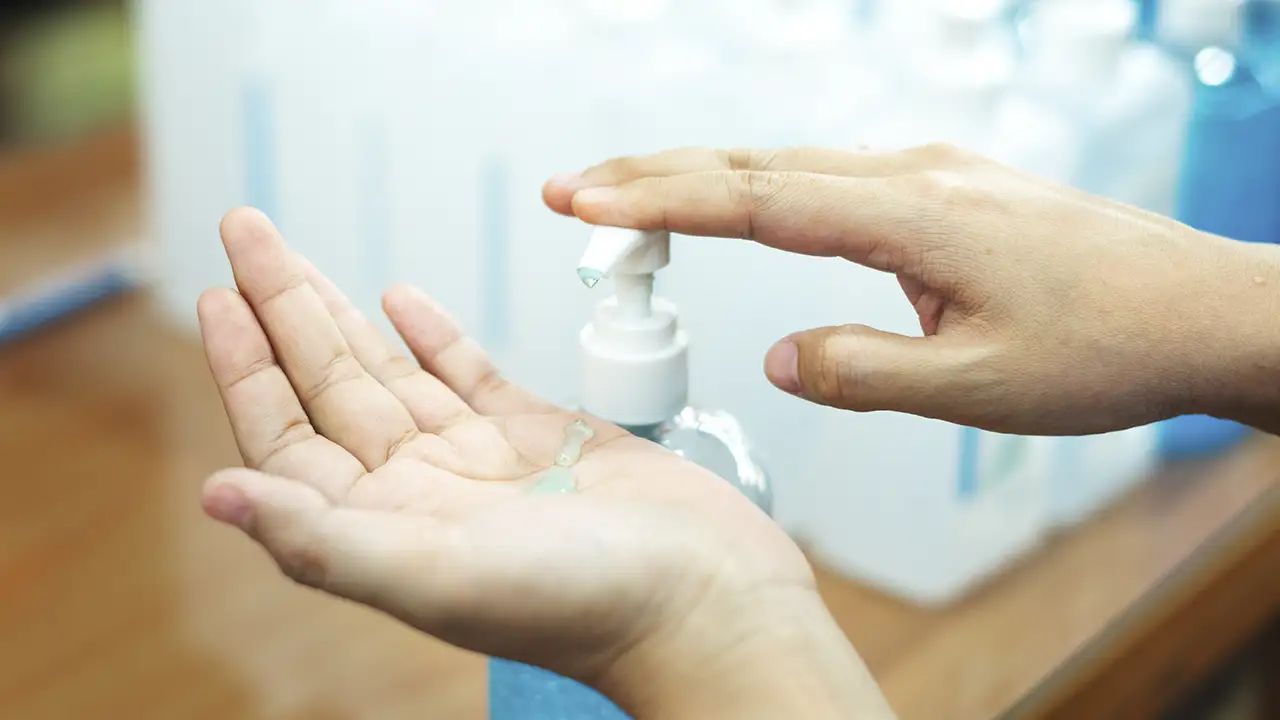
Preventing the spread is very important. People should maintain good hygiene, wash hands regularly, consume clean drinking water, and follow safe food practices. Improving sanitation systems can also help control such outbreaks and reduce the overall disease burden.