
Keralam Officially Renamed

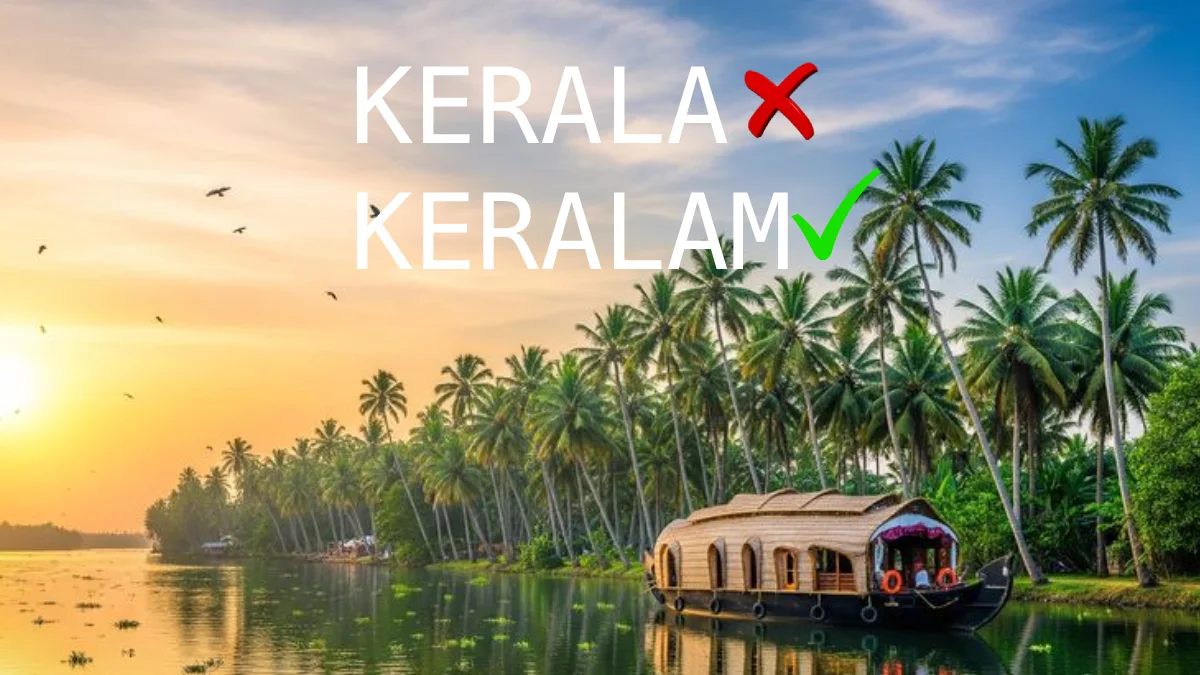
Keralam Renamed marks an important moment in the history of the state, as Kerala has officially become Keralam under the Kerala (Alteration of Name) Act, 2026. The change came into effect on August 25, 2026, following approval by Parliament and the President of India. The new name reflects the Malayalam name commonly used by the people of the state and highlights the region’s linguistic and cultural identity.
The official change means that the name of the state will now be recorded as Keralam in the First Schedule of the Constitution of India. The decision followed a detailed constitutional and legislative process involving the Kerala Legislative Assembly, the Union Government, Parliament, and the President of India.

The Journey from Kerala to Keralam
The process of changing the state’s name began with discussions about giving the state a name that more closely reflects its identity in the Malayalam language. The name Keralam has long been used by Malayalam speakers in daily life, literature, culture, and official communication within the state.
The Union Cabinet approved the proposal for the name change on February 24, 2026. After this approval, the proposal moved through the required constitutional and legislative stages. The Kerala Legislative Assembly accepted the draft proposal in July 2026, showing support for the new name.
Union Minister of State for Home Nityanand Rai later introduced the Kerala (Alteration of Name) Bill, 2026 in the Lok Sabha on August 10, 2026. The Lok Sabha passed the Bill on August 11, followed by approval from the Rajya Sabha on August 12.
President Droupadi Murmu gave her assent to the Bill on August 14, 2026. After receiving presidential approval, it became The Kerala (Alteration of Name) Act, 2026.
How the Constitutional Process Works
The change of a state’s name in India follows the procedure provided under Article 3 of the Constitution. Parliament has the power to create new states and change the names, areas, or boundaries of existing states.
Before Parliament considers a proposal to change the name of a state, the President refers the Bill to the concerned State Legislature for its views. The State Legislature can discuss the proposal and express its opinion. However, Parliament has the final authority to pass the law.
The name change is then reflected in the First Schedule of the Constitution, which contains the names of India’s states and Union Territories.
Official Change Takes Effect
The Union Home Ministry issued a gazette notification on August 25, 2026, declaring the same date as the official commencement date of the new law. From that date, Kerala officially became Keralam.
The change is expected to gradually appear in government documents, official communication, websites, public records, maps, signboards, and other administrative materials. Such changes may take time because different government departments and institutions need to update their records and systems.
The renaming also comes at a time when discussions about regional languages, local identity, and cultural heritage continue to receive attention across India. Several Indian cities and states have changed their official names over the years to better reflect local languages, history, and cultural traditions.
Cultural Identity Behind the Name Keralam
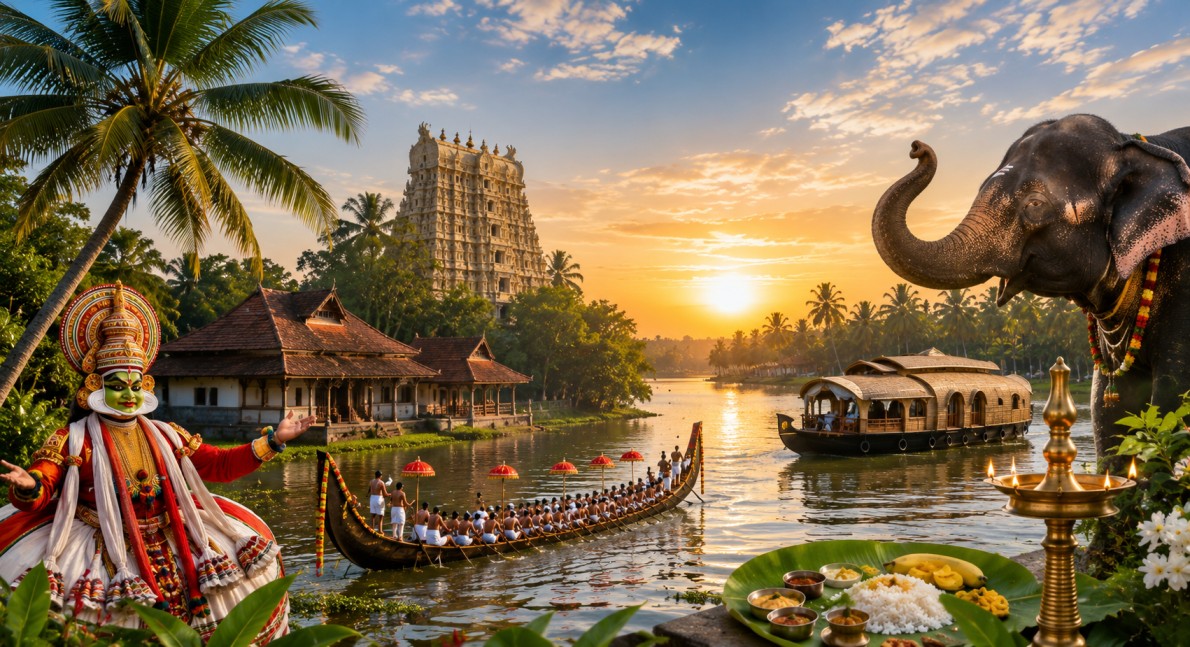
The name Keralam has a strong connection with the Malayalam language and the cultural identity of the region. Kerala is widely known for its rich literary tradition, classical and folk arts, Ayurveda, backwaters, wildlife, and festivals such as Onam.
Using Keralam as the official name brings the constitutional identity of the state closer to the name commonly used in Malayalam. The change is also seen as a recognition of the importance of regional languages in India’s diverse cultural landscape.
As Keralam begins its official journey under its new name, government departments and public institutions will gradually adapt to the change. For residents, the new official name represents a connection between the state’s modern administrative identity and its long-standing cultural and linguistic heritage.