Chemicals and Fertilizers Ministry: Schemes, Policies and Achievements

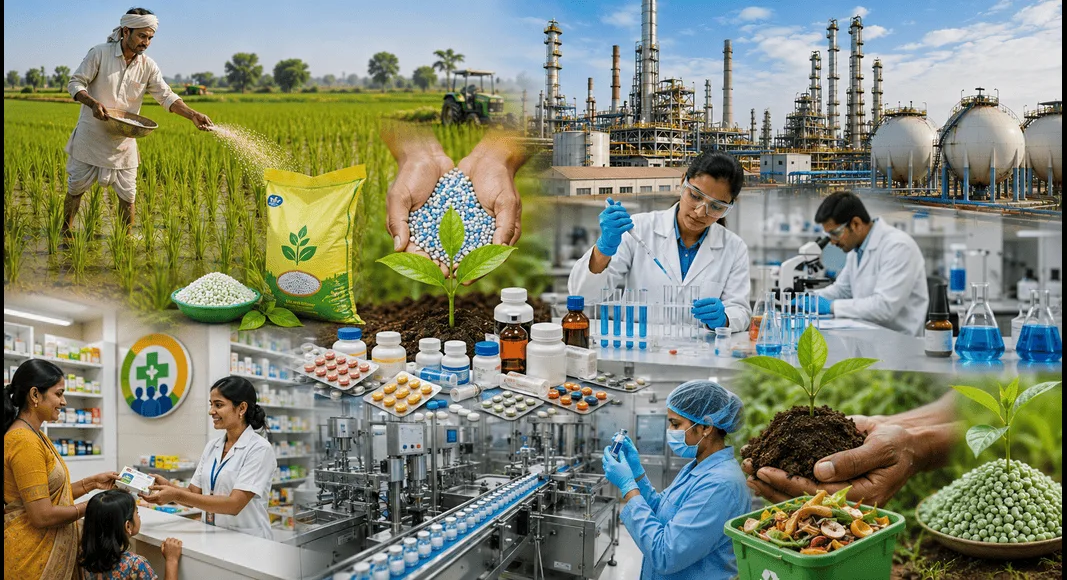
The Chemicals and Fertilizers Ministry plays an important role in India’s agriculture, healthcare, chemical industries, and pharmaceutical sector. It works to ensure that farmers get affordable fertilizers, patients receive low-cost medicines, industries produce high-quality chemicals, and the country becomes more self-reliant in manufacturing.
Thank you for reading this post, don't forget to subscribe!The Ministry consists of three major departments:
- Department of Fertilizers
- Department of Chemicals and Petrochemicals
- Department of Pharmaceuticals
Each department focuses on different areas that directly affect the lives of millions of Indians. During 2019, the ministry introduced and strengthened several important policies that improved fertilizer use, promoted affordable medicines, encouraged pharmaceutical manufacturing, and supported the chemical industry.
What is the Ministry of Chemicals and Fertilizers?
The Ministry is responsible for developing policies related to fertilizers, chemicals, petrochemicals, and pharmaceuticals. It aims to:
- Ensure enough fertilizers are available for farmers.
- Promote balanced use of fertilizers.
- Make medicines affordable.
- Support the growth of the pharmaceutical industry.
- Encourage research and innovation.
- Reduce India’s dependence on imports.
Its work directly supports agriculture, healthcare, employment, and industrial growth.
Department of Fertilizers
The Department of Fertilizers ensures that farmers receive fertilizers at affordable prices and in sufficient quantity.
It also works to improve fertilizer efficiency, reduce unnecessary use, and encourage sustainable farming practices.
Several important initiatives were strengthened during 2019.
Neem Coated Urea
One of the biggest achievements has been making 100% of domestically produced urea available as Neem Coated Urea (NCU).
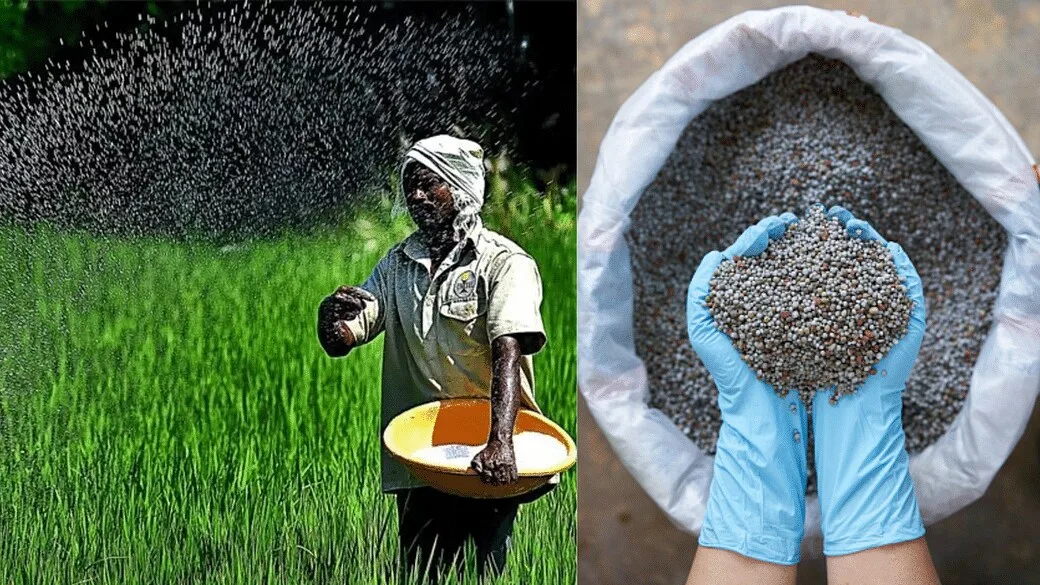
Neem coating slows down the release of nitrogen into the soil. This helps crops absorb nutrients more effectively.
Benefits of Neem Coated Urea
- Improves soil health.
- Reduces fertilizer wastage.
- Increases nitrogen use efficiency.
- Reduces pest attacks.
- Improves crop yield.
- Prevents diversion of urea for illegal industrial use.
- Reduces environmental pollution.
Farmers growing crops like rice, maize, sugarcane, soybean, and pulses have benefited from its use.
New Urea Policy (NUP) 2015
The New Urea Policy was introduced to improve domestic fertilizer production.
Its major objectives include:
- Increase urea production within India.
- Improve energy efficiency of fertilizer plants.
- Reduce government subsidy burden.
- Make fertilizer production more competitive.
The policy helped increase domestic production compared to previous years and reduced dependence on imports.
New Investment Policy for Urea
The Government launched the New Investment Policy to encourage companies to build new fertilizer plants and revive closed units.
The main goals are:
- Increase indigenous production.
- Reduce fertilizer imports.
- Improve fertilizer availability.
- Generate employment.
Several fertilizer plants have since been revived, helping India move towards fertilizer self-sufficiency.
Promotion of City Compost
Organic waste generated in cities often becomes a major environmental problem.
To solve this issue, the government introduced the City Compost Policy.
Under this policy:
- Compost manufacturers receive financial support.
- Fertilizer companies market city compost.
- Farmers are encouraged to use compost.
- Organic waste is converted into useful fertilizer.
This initiative promotes waste management and sustainable agriculture.
Nutrient Based Subsidy (NBS) Scheme
India provides subsidies on fertilizers so that farmers can purchase them at affordable prices.
The Nutrient Based Subsidy (NBS) Scheme was introduced for phosphatic and potassic fertilizers.
Under this scheme:
- Subsidy depends on nutrient content.
- Balanced fertilizer use is encouraged.
- Soil health improves.
- Farmers choose fertilizers based on crop needs rather than price alone.
Balanced fertilizer use also reduces long-term damage to agricultural land.
Using Space Technology in Fertilizer Sector
Modern technology is now helping agriculture.
The Department of Fertilizers partnered with ISRO and scientific organizations to map rock phosphate reserves using satellite technology.
This project helps:
- Identify mineral deposits.
- Improve fertilizer planning.
- Reduce import dependence.
- Support scientific exploration.
The use of satellite data has made mineral mapping faster and more accurate.
Department of Pharmaceuticals
India is one of the world’s largest producers of medicines.
The Department of Pharmaceuticals focuses on:
- Affordable medicines.
- Drug manufacturing.
- Medical devices.
- Research and innovation.
- Export promotion.
Several important schemes were strengthened during 2019.
Pradhan Mantri Bhartiya Janaushadhi Pariyojana (PMBJP)
PMBJP is one of India’s biggest healthcare initiatives.
Its objective is to provide quality generic medicines at affordable prices.
Special Jan Aushadhi stores sell medicines that cost much less than branded products while maintaining similar quality standards.
Benefits of PMBJP
- Medicines cost 50-90% less.
- Poor and middle-class families save money.
- Daily medicines become affordable.
- Generic medicines become easily available.
Millions of people purchase medicines from Jan Aushadhi Kendras every month.
Affordable Sanitary Napkins
Under PMBJP, the government introduced affordable oxo-biodegradable sanitary pads.
These sanitary napkins are sold at very low prices through Jan Aushadhi stores.
This initiative supports:
- Women’s health.
- Menstrual hygiene.
- Environmental protection.
- Affordable healthcare.
The demand for these sanitary napkins has increased significantly over the years.
Development of Pharmaceutical Industry
The government also launched several schemes to strengthen India’s pharmaceutical manufacturing.
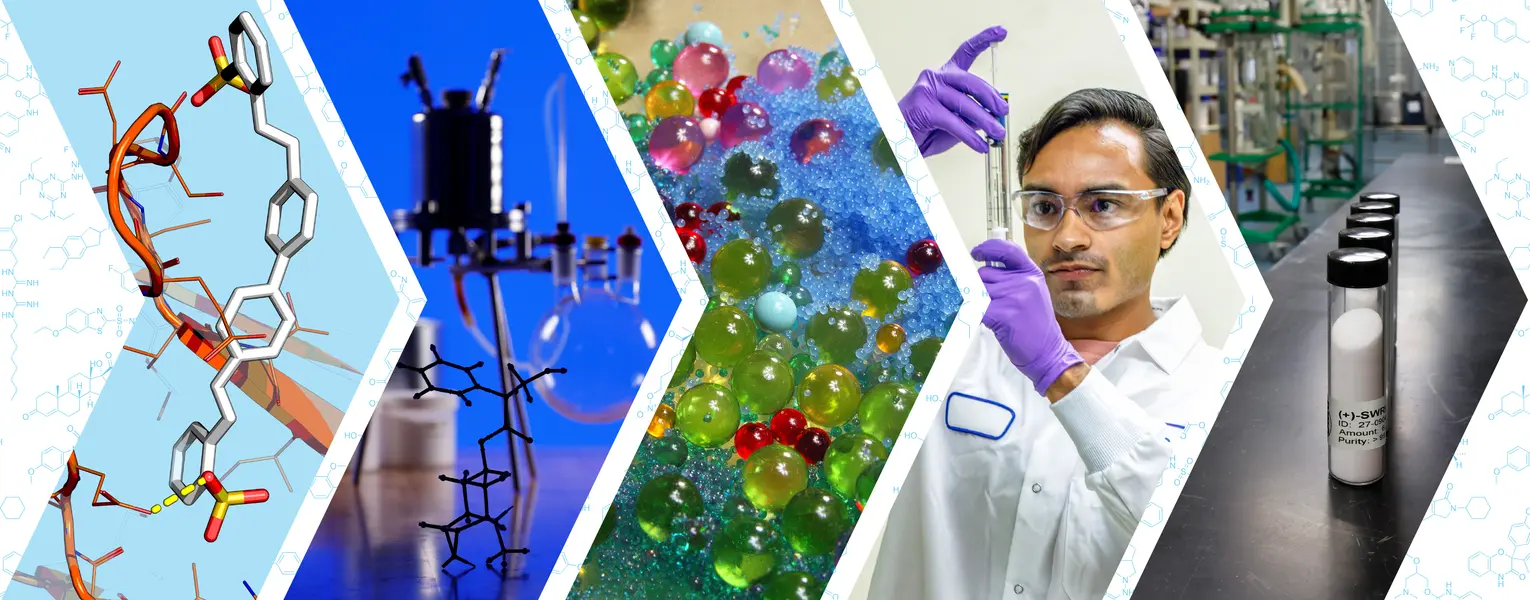
These include support for:
- Bulk Drug Parks.
- Medical Device Parks.
- Pharmaceutical technology upgradation.
- Research and development.
- Export promotion.
- Manufacturing clusters.
These initiatives help reduce India’s dependence on imported raw materials.
Medical Device Parks
India imports many medical devices.
To encourage domestic manufacturing, the government supports Medical Device Parks.
These parks provide:
- Shared testing facilities.
- Research laboratories.
- Manufacturing support.
- Common infrastructure.
This reduces production costs and improves competitiveness.
Affordable Medicines through NPPA
Medicine prices can sometimes become very expensive.
To protect consumers, the government created the National Pharmaceutical Pricing Authority (NPPA).
Its responsibilities include:
- Fixing prices of essential medicines.
- Monitoring medicine prices.
- Preventing unreasonable price increases.
- Ensuring affordable healthcare.
NPPA has helped keep many life-saving medicines affordable.
Drug Price Control Order (DPCO)
The Drug Price Control Order regulates the prices of medicines listed under the National List of Essential Medicines.
This ensures that important medicines remain affordable for everyone.
The government can also intervene during extraordinary situations when drug prices rise sharply.
National List of Essential Medicines (NLEM)
The National List of Essential Medicines contains medicines that are considered necessary for public healthcare.
These medicines are selected based on:
- Disease prevalence.
- Safety.
- Effectiveness.
- Cost-effectiveness.
Only medicines included in this list come under direct price regulation.
The list is updated periodically to include new medicines based on changing healthcare needs. The latest major revision came in 2022, expanding the list and improving access to affordable treatment.
Department of Chemicals and Petrochemicals
This department promotes India’s chemical and petrochemical industries.
It prepares policies for:
- Chemical manufacturing.
- Petrochemical production.
- Industrial growth.
- Plastic processing.
- Research and innovation.
The chemical industry supports sectors like agriculture, automobiles, textiles, healthcare, and construction.
Petroleum, Chemicals and Petrochemical Investment Regions (PCPIRs)
The government approved large industrial regions called PCPIRs.
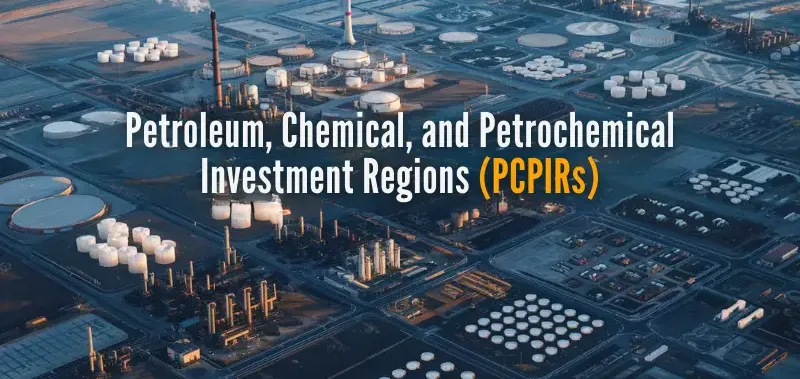
These regions combine:
- Manufacturing plants.
- Transport infrastructure.
- Residential areas.
- Logistics facilities.
- Environmental protection systems.
Major PCPIRs are located in:
- Dahej (Gujarat)
- Visakhapatnam-Kakinada (Andhra Pradesh)
- Paradeep (Odisha)
- Cuddalore-Nagapattinam (Tamil Nadu)
These regions attract investment, generate employment, and strengthen India’s industrial base.
CIPET and Skill Development
The Central Institute of Petrochemicals Engineering & Technology (CIPET) plays an important role in developing skilled workers.
CIPET follows the STAR approach:
- S – Skill Development
- T – Technology Support
- A – Academics
- R – Research
The institute provides training to students and professionals while supporting industries through research and modern technology.
Progress After 2019 (2020-2025)
Since 2019, the Ministry has continued expanding several important initiatives.
Some major developments include:
- Thousands of Jan Aushadhi Kendras have been opened across India, making affordable medicines available in almost every state.
- The National List of Essential Medicines was revised in 2022 to include more life-saving drugs under price control.
- India promoted self-reliance in Active Pharmaceutical Ingredients (APIs) through Production Linked Incentive (PLI) schemes and Bulk Drug Parks.
- Medical Device Parks received additional support to reduce dependence on imports.
- Fertilizer reforms continued with greater use of Nano Urea, developed by IFFCO, to improve nutrient efficiency and reduce excessive fertilizer consumption.
- Digital monitoring of fertilizer distribution has improved transparency.
- Research on sustainable fertilizers and environmentally friendly farming practices has expanded.
- The government has also encouraged balanced nutrient use through awareness campaigns and soil health initiatives.
These developments have strengthened India’s agriculture, healthcare system, and pharmaceutical manufacturing sector.
Challenges Ahead
Although significant progress has been made, some challenges remain.
These include:
- Dependence on imported raw materials for medicines.
- Rising global fertilizer prices.
- Efficient fertilizer use by farmers.
- Environmental concerns from chemical industries.
- Research and innovation in green chemicals.
- Expanding affordable healthcare to remote areas.
Addressing these challenges will be essential for sustainable development.
Conclusion
The Ministry of Chemicals and Fertilizers plays a vital role in India’s growth. Its work benefits farmers through better fertilizers, patients through affordable medicines, industries through improved policies, and the economy through stronger manufacturing.
Schemes like Neem Coated Urea, PM Jan Aushadhi Pariyojana, Nutrient Based Subsidy, Medical Device Parks, and Drug Price Control have improved the lives of millions of people.
Between 2020 and 2025, the Ministry continued expanding these initiatives by promoting self-reliance in pharmaceuticals, supporting domestic manufacturing, encouraging balanced fertilizer use, and improving access to essential medicines.
As India moves toward becoming a developed nation, the Ministry will continue to play an important role in ensuring food security, affordable healthcare, industrial development, and sustainable economic growth.
FAQs
1. What is the Ministry of Chemicals and Fertilizers?
The Ministry is responsible for fertilizers, chemicals, petrochemicals, and pharmaceuticals. It ensures affordable fertilizers, medicines, and industrial development in India.
2. What is Neem Coated Urea?
Neem Coated Urea is regular urea coated with neem oil. It improves nitrogen efficiency, increases crop yield, and reduces illegal diversion of urea.
3. What is the Pradhan Mantri Bhartiya Janaushadhi Pariyojana (PMBJP)?
PMBJP is a government scheme that provides quality generic medicines at affordable prices through Jan Aushadhi Kendras across India.
4. What is the Nutrient Based Subsidy (NBS) Scheme?
The NBS Scheme provides fertilizer subsidies based on nutrient content to encourage balanced fertilizer use and improve soil health.
5. What is the New Urea Policy (NUP) 2015?
The New Urea Policy aims to increase domestic urea production, improve energy efficiency, and reduce the government’s subsidy burden.
6. What is the National Pharmaceutical Pricing Authority (NPPA)?
NPPA is the government body that fixes and regulates the prices of essential medicines to keep them affordable for the public.
7. What is the National List of Essential Medicines (NLEM)?
NLEM is a list of important medicines selected by the government. Medicines on this list are regulated to ensure affordable prices.
8. What are Medical Device Parks?
Medical Device Parks provide shared infrastructure and facilities to help companies manufacture medical devices at lower costs in India.
9. What is the purpose of the City Compost Policy?
The policy promotes the use of compost made from city waste, improving soil health while reducing urban waste and pollution.
10. What were the major developments after 2019?
After 2019, India expanded Jan Aushadhi Kendras, promoted Bulk Drug Parks, supported Medical Device Parks, encouraged Nano Urea, and strengthened domestic pharmaceutical manufacturing.