


OBOR-CPEC: China’s Global Connectivity Project and India’s Concerns

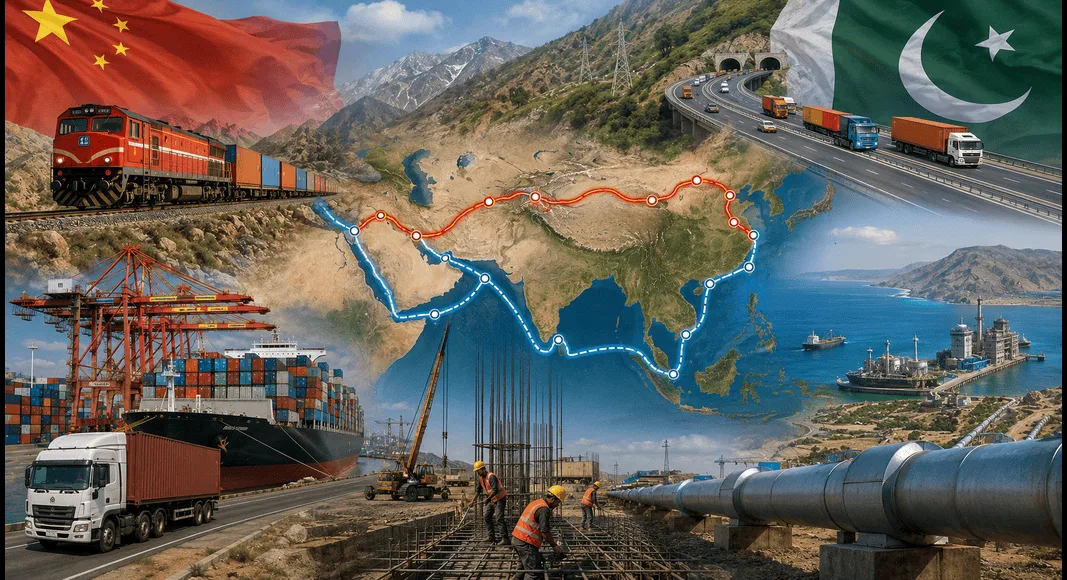
OBOR-CPEC is one of the most discussed international development projects in the modern world. It is connected with trade, transport, infrastructure, global politics, and strategic relations between countries. China started the One Belt One Road (OBOR) initiative to improve connectivity between Asia, Europe, and Africa. A major part of this project is the China-Pakistan Economic Corridor (CPEC), which connects China with Pakistan through roads, railways, ports, and energy projects.
India has raised serious objections to OBOR-CPEC because a part of the project passes through Pakistan-occupied Kashmir (PoK), which India considers its own territory. Because of this, OBOR-CPEC has become an important issue in international relations and Indian foreign policy.

What is OBOR?
OBOR stands for “One Belt One Road.” It is also known as the Belt and Road Initiative (BRI). China announced this project in 2013 under the leadership of President Xi Jinping.
The main aim of OBOR is to improve trade and connectivity among countries by building roads, railways, ports, pipelines, airports, and other infrastructure.
The project connects countries across:
- Asia
- Europe
- Africa
More than 70 countries are connected with this initiative.
China believes that better transport and infrastructure will increase trade and economic growth among participating nations.
Two Main Parts of OBOR
1. Silk Road Economic Belt
This is the land-based route of OBOR.
It connects China with:
- Central Asia
- Russia
- Europe
The project includes:
- Highways
- Railways
- Pipelines
- Industrial corridors
The goal is to improve land trade routes.
2. 21st Century Maritime Silk Road
This is the sea-based route.
It connects China’s coast with:
- Southeast Asia
- South Asia
- Africa
- Mediterranean countries
It includes the development of ports and shipping routes.
Objectives of OBOR
China launched OBOR with several objectives.
Improving Connectivity
The project aims to connect countries through modern transport systems.
Increasing Trade
Faster transport reduces trade costs and improves business opportunities.
Economic Growth
Infrastructure projects create jobs and economic activities.
Energy Security
China imports huge amounts of oil and gas. Better transport routes help China secure energy supplies.
Expanding Global Influence
OBOR also helps China increase its political and strategic influence around the world.
What is CPEC?
CPEC stands for China-Pakistan Economic Corridor.
It is one of the most important parts of OBOR.
CPEC is a massive infrastructure project between China and Pakistan. Its estimated value is around 60 billion US dollars.
The corridor connects:
- Xinjiang province in China
to - Gwadar Port in Pakistan
The total route is around 3,000 kilometers long.
Major Components of CPEC
Roads and Highways
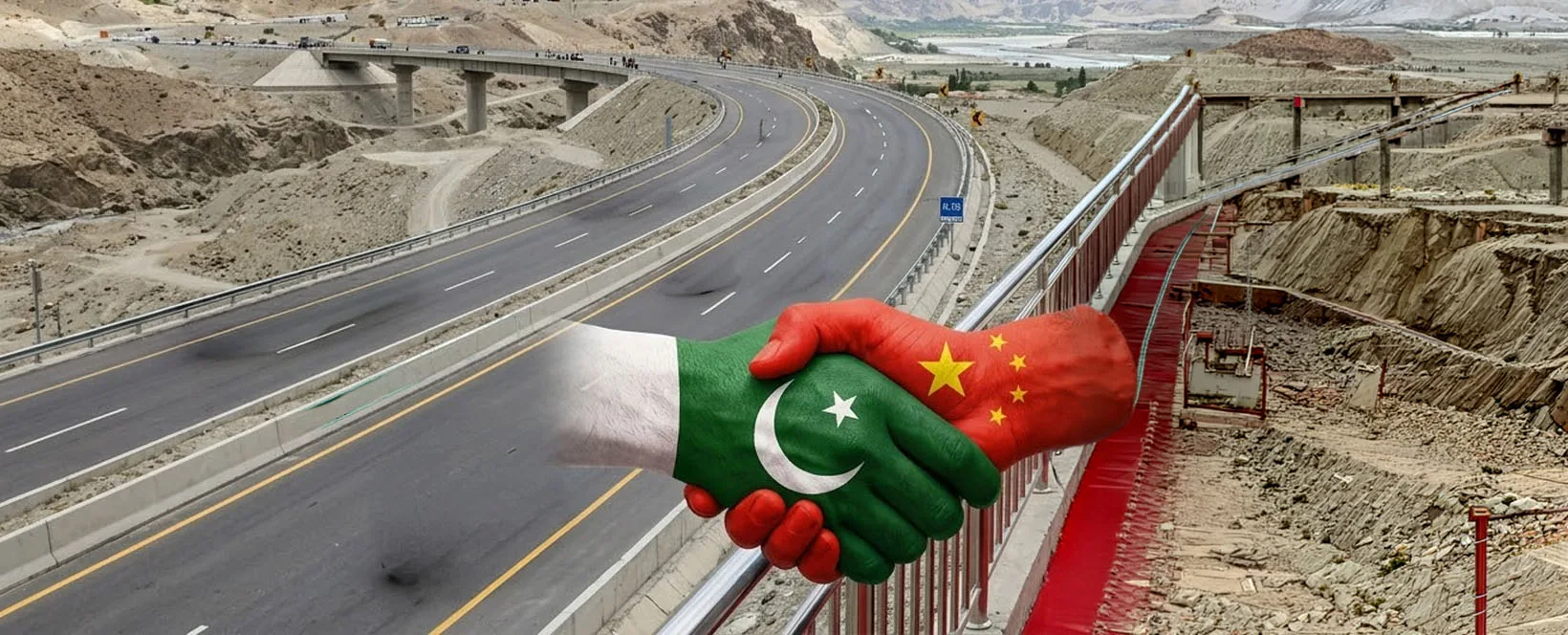
New roads are being built across Pakistan to improve transportation.
Railways
Modern railway systems are being developed for faster trade and travel.
Energy Projects
Power plants are being constructed to solve Pakistan’s electricity shortages.
Gwadar Port
Gwadar Port in Balochistan is one of the most important parts of CPEC.
It gives China access to the Arabian Sea and Indian Ocean.
Industrial Zones
Special economic zones are being planned to promote industries and businesses.
Importance of Gwadar Port
Gwadar Port is strategically very important.
It is located near the Arabian Sea and close to the Strait of Hormuz, through which a large amount of global oil trade passes.
For China, Gwadar provides:
- Shorter trade routes
- Better energy access
- Reduced dependence on the Malacca Strait
What is the Malacca Dilemma?
China depends heavily on the Malacca Strait for trade and energy transport.
The Malacca Strait is a narrow sea route between Malaysia and Indonesia.
China fears that during conflicts this route could be blocked.
CPEC provides China an alternative route through Pakistan.
This helps China reduce its dependence on the Malacca Strait.
Historical Background of OBOR
The idea of OBOR is inspired by the ancient Silk Route.
The Silk Route connected:
- China
- India
- Central Asia
- Europe
It was used for trade of:
- Silk
- Spices
- Textiles
- Precious goods
The ancient route also spread culture, religion, and ideas.
China wants to recreate modern trade connections through OBOR.
Benefits of OBOR for China
Economic Expansion
Chinese companies get large international construction projects.
Employment Opportunities
Chinese workers and engineers get jobs in foreign projects.
Strategic Influence
China increases its influence in Asia, Africa, and Europe.
Market Access
Chinese products get easier access to international markets.
Use of Excess Capacity
China uses its extra steel, cement, and industrial production in infrastructure projects abroad.
Benefits of CPEC for Pakistan
Pakistan hopes to gain several advantages from CPEC.
Better Infrastructure
Roads, railways, and ports improve transportation.
Electricity Supply
New power projects help reduce energy shortages.
Employment
Construction and industries create jobs.
Trade Opportunities
Improved connectivity increases trade with China and other countries.
Economic Growth
Investment may help Pakistan improve its economy.
Potential Advantages of OBOR for India
Some experts believe India could also gain benefits if connectivity improves.
Better Regional Connectivity
India could trade more easily with neighboring countries.
Infrastructure Development
Border areas could receive better infrastructure.
Economic Opportunities
Trade routes may improve business opportunities.
Access to Central Asia
India may gain easier access to Central Asian markets.
However, India has major concerns regarding sovereignty and security.
India’s Objections to OBOR-CPEC
India has not officially joined OBOR.
The biggest reason is CPEC passing through Pakistan-occupied Kashmir (PoK).
India considers PoK as part of Jammu and Kashmir.
India believes that China’s activities in this region violate Indian sovereignty.
Why India Opposes CPEC
Violation of Sovereignty
The corridor passes through disputed territory claimed by India.
India believes this is against its territorial integrity.
Strategic Concerns
China’s growing presence in South Asia worries India.
Encirclement Fear
Some experts believe China is trying to surround India strategically through ports and infrastructure projects.
This is often called the “String of Pearls” strategy.
Chinese Presence in Indian Ocean
Chinese-controlled ports near India increase security concerns.
China’s Expanding Influence in South Asia
China has invested in several South Asian countries.
Examples include:
- Gwadar Port in Pakistan
- Hambantota Port in Sri Lanka
- Infrastructure projects in Nepal
- Investments in Bangladesh and Maldives
India worries that these projects may increase Chinese military and political influence.
Hambantota Port Example
Sri Lanka borrowed large loans from China for Hambantota Port.
Later, Sri Lanka faced difficulties repaying the loans.
As a result, the port was leased to China for 99 years.
This increased concerns about “debt trap diplomacy.”
What is Debt Trap Diplomacy?
Debt trap diplomacy refers to a situation where:
- A country takes large loans
- It cannot repay the loans
- The lending country gains strategic control
Critics accuse China of using this method in some countries.
However, China denies these allegations.
Risks Associated with OBOR
Huge Financial Costs
OBOR projects require massive investments.
Debt Burden
Poor countries may struggle to repay Chinese loans.
Political Instability
Projects in unstable regions face security risks.
Environmental Concerns
Large infrastructure projects may damage forests, rivers, and wildlife.
Lack of Transparency
Some agreements are not publicly available.
Security Challenges in CPEC
CPEC passes through sensitive and unstable regions.
Balochistan Insurgency
Balochistan has witnessed separatist movements and attacks.
Some groups oppose Chinese investments.
Terrorism Risks
Pakistan faces terrorism threats that may affect CPEC projects.
Security Costs
Pakistan has created special security forces to protect Chinese workers.
Cultural Concerns Related to CPEC
Some critics fear increasing Chinese influence over local culture.
Chinese media, companies, and workers may influence local traditions and lifestyles.
There are also concerns about unequal economic benefits.
Impact on Pakistan’s Economy
CPEC can improve Pakistan’s economy if managed properly.
However, there are concerns about:
- Rising debt
- Unequal profit sharing
- Dependence on China
Some experts believe Pakistan may become too economically dependent on China.
India’s Alternative Projects
India is also developing alternative connectivity projects.
Chabahar Port
India is developing Chabahar Port in Iran.
This helps India access Afghanistan and Central Asia without using Pakistan.
International North-South Transport Corridor (INSTC)
This project connects India with:
- Iran
- Russia
- Central Asia
- Europe
Asia-Africa Growth Corridor
India and Japan proposed this initiative for regional development.
OBOR and Global Politics
OBOR is not only an economic project. It also affects global politics.
Countries supporting OBOR may become closer to China politically.
Some Western countries are cautious about China’s growing influence.
The United States, Japan, and India have raised concerns regarding:
- Debt risks
- Strategic control
- Transparency
India’s Foreign Policy and OBOR
India follows a careful approach toward OBOR.
India supports regional connectivity but insists that projects must:
- Respect sovereignty
- Follow international rules
- Be transparent
- Avoid debt traps
India has repeatedly stated that connectivity projects should not violate territorial integrity.
OBOR and South Asia
South Asia is an important region for China’s Belt and Road Initiative.
China wants stronger economic links with:
- Pakistan
- Sri Lanka
- Bangladesh
- Nepal
- Maldives
India sees this as a challenge to its traditional regional influence.
Importance of Central Asia in OBOR
Central Asia is very important because it connects Asia and Europe.
China uses rail and road projects to connect with Central Asian countries.
These routes improve trade and energy transport.
Economic Corridors Under OBOR
China has planned several economic corridors under OBOR.
Some important corridors are:
- China-Pakistan Economic Corridor
- Bangladesh-China-India-Myanmar Corridor
- China-Mongolia-Russia Corridor
Each corridor focuses on trade and infrastructure development.
Criticism of OBOR
Many experts have criticized OBOR for different reasons.
Lack of Transparency
Agreements are often not fully public.
Environmental Damage
Construction may harm ecosystems.
Debt Problems
Poor countries may face financial crises.
Political Influence
China may gain political control through investments.
Supporters of OBOR
Supporters believe OBOR can:
- Improve infrastructure
- Reduce transport costs
- Increase trade
- Create jobs
- Promote development
Many developing countries welcome Chinese investments because they need infrastructure.
India-China Relations and OBOR
India-China relations are affected by:
- Border disputes
- Trade competition
- Strategic rivalry
- CPEC issue
Because of these tensions, India remains cautious about joining OBOR.
Future of OBOR-CPEC
The future of OBOR-CPEC depends on several factors.
Political Stability
Regional peace is necessary for smooth implementation.
Financial Sustainability
Countries must manage debts carefully.
International Cooperation
Transparency and trust are important.
Security Conditions
Terrorism and conflicts may affect projects.
Can OBOR Change Global Trade?
OBOR has the potential to reshape global trade routes.
If successful, it can:
- Reduce shipping time
- Improve land transport
- Increase trade between continents
However, challenges remain significant.
India’s Way Forward
India needs a balanced approach toward OBOR-CPEC.
Strengthening Infrastructure
India should improve its own infrastructure and connectivity projects.
Expanding Regional Partnerships
India should strengthen ties with neighboring countries.
Strategic Investments
India must continue projects like Chabahar Port and INSTC.
Protecting Sovereignty
India will likely continue opposing projects that pass through disputed territory.
Conclusion
OBOR-CPEC is one of the largest infrastructure and connectivity projects in the world. China launched the initiative to improve trade, economic cooperation, and global connectivity. CPEC is an important part of this initiative and connects China with Pakistan through roads, railways, ports, and energy projects.
While the project offers economic opportunities, it also raises serious concerns related to sovereignty, debt, security, and strategic influence. India strongly opposes CPEC because it passes through Pakistan-occupied Kashmir, which India considers its own territory.
OBOR-CPEC has become an important topic in global politics and international relations. Its success or failure will depend on political stability, financial management, regional cooperation, and international trust. In the coming years, OBOR-CPEC will continue to influence the economic and strategic future of Asia and the world.
FAQs on OBOR-CPEC
1. What is OBOR?
OBOR stands for One Belt One Road, a global connectivity project launched by China in 2013.
2. What is CPEC?
CPEC stands for China-Pakistan Economic Corridor, a major project connecting China with Pakistan.
3. Which countries are connected through OBOR?
OBOR connects countries across Asia, Europe, and Africa.
4. Why is CPEC important for China?
CPEC gives China access to the Arabian Sea and improves trade and energy transport.
5. Why does India oppose CPEC?
India opposes CPEC because it passes through Pakistan-occupied Kashmir (PoK).
6. What is the role of Gwadar Port in CPEC?
Gwadar Port helps China access the Indian Ocean and global trade routes.
7. What are the benefits of OBOR?
OBOR improves infrastructure, trade, connectivity, and economic cooperation among countries.
8. What are the risks associated with OBOR?
Major risks include debt burden, lack of transparency, and security concerns.
9. What is debt trap diplomacy?
It refers to a situation where countries fail to repay loans and lose control over strategic assets.
10. What alternatives has India developed to counter CPEC?
India is developing projects like Chabahar Port and the International North-South Transport Corridor (INSTC).