


Microfinance Sector in India: Meaning, Growth, Benefits, Challenges and Government Initiatives

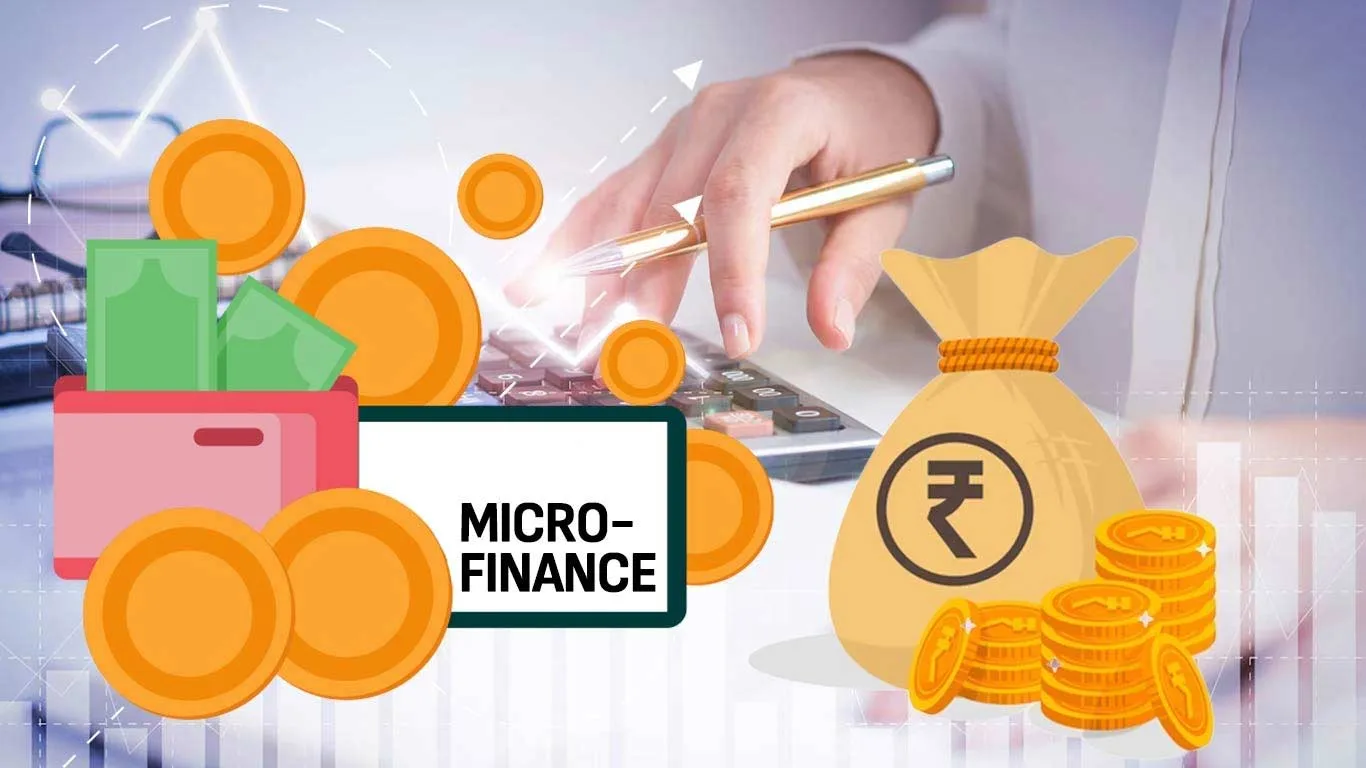
The Microfinance Sector plays an important role in India’s financial system by providing small loans and other financial services to people who do not have easy access to banks. It helps poor families, small business owners, farmers, and women start or expand their income-generating activities. Over the years, the microfinance sector has become a strong tool for financial inclusion, poverty reduction, and women’s empowerment.
Today, millions of people across India depend on microfinance institutions for affordable loans, savings, insurance, and other financial services. The sector has grown rapidly due to government support, better regulations, and increased awareness among rural and urban low-income families.

What is Microfinance?
Microfinance is the process of providing small financial services to individuals or small businesses that cannot easily get loans from traditional banks. These services include:
- Small loans
- Savings accounts
- Insurance
- Money transfer services
- Financial advice
Most beneficiaries are low-income families, small entrepreneurs, farmers, street vendors, artisans, and women living in rural and semi-urban areas.
The main aim of microfinance is to improve the financial condition of poor people and encourage self-employment.
Importance of the Microfinance Sector
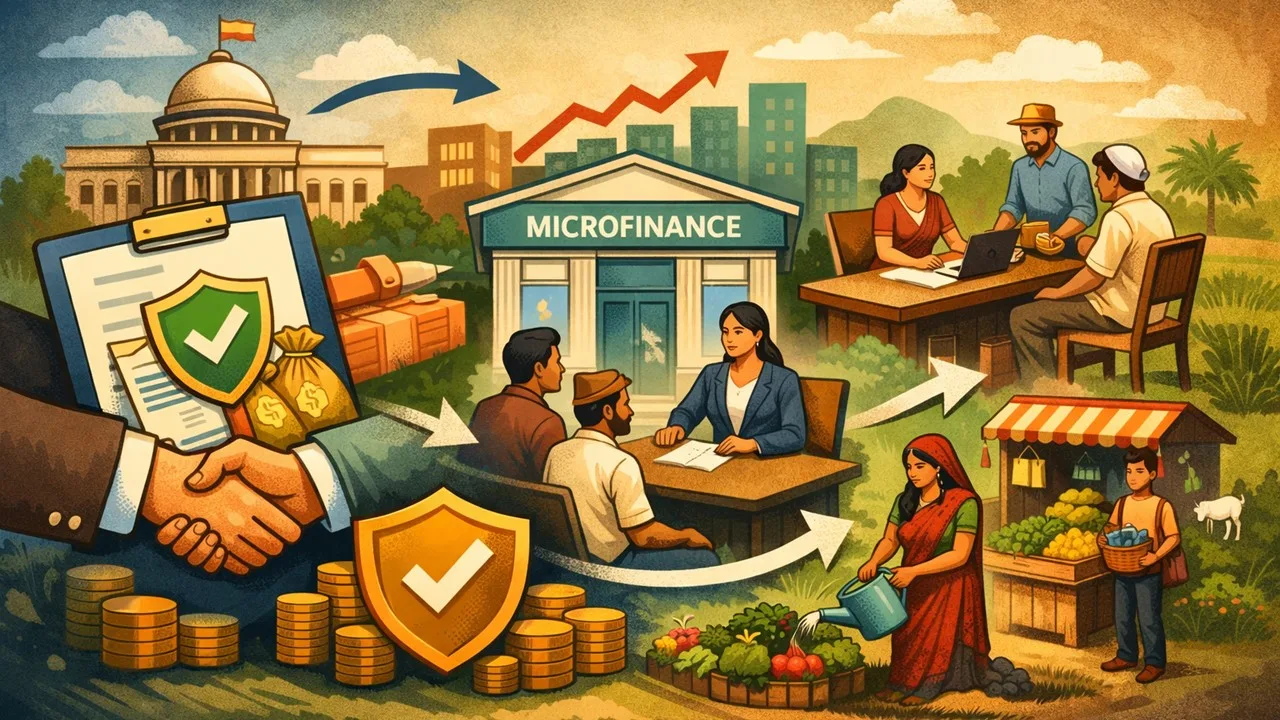
The microfinance sector has become one of the strongest pillars of financial inclusion in India. It helps people become financially independent by giving them access to credit without requiring large assets as security.
Some major benefits include:
- Reduces poverty
- Promotes self-employment
- Encourages entrepreneurship
- Supports women empowerment
- Improves rural development
- Increases financial literacy
- Expands access to banking services
Today, India has hundreds of Microfinance Institutions (MFIs) serving millions of borrowers across almost every state and union territory.
Evolution of the Microfinance Sector in India
The growth of microfinance in India has taken place in several stages.
Early Development (1974–1984)
The journey began in 1974 with the establishment of Shri Mahila Sewa Sahakari Bank, which focused on providing financial services to women working in the unorganized sector.
Later, in 1984, NABARD promoted the Self Help Group (SHG) model as an effective method to reduce poverty and improve financial access.
Expansion Phase (2002–2006)
Between 2002 and 2006, several important reforms were introduced.
- Rules for lending to Self Help Groups became simpler.
- The Reserve Bank of India (RBI) recognized microfinance as part of priority sector lending.
- More Microfinance Institutions entered the market.
However, concerns about high interest rates and unfair recovery practices also emerged during this period.
Rapid Growth and Crisis (2007–2010)
Private investment increased rapidly, allowing many MFIs to expand their operations.
In 2009, the Microfinance Institutions Network (MFIN) was established to improve coordination among NBFC-MFIs.
In 2010, the Andhra Pradesh microfinance crisis highlighted problems such as aggressive loan recovery practices and multiple lending, leading to stricter regulations.
Modern Development (2012 onwards)
Following recommendations by the Malegam Committee, RBI introduced stronger rules to protect borrowers.
Important developments included:
- Better customer protection
- Transparent pricing
- Responsible lending
- Better supervision of MFIs
The launch of Pradhan Mantri MUDRA Yojana (PMMY) in 2015 further strengthened access to credit for small businesses.
Business Models Used in the Microfinance Sector
Self Help Groups (SHGs)
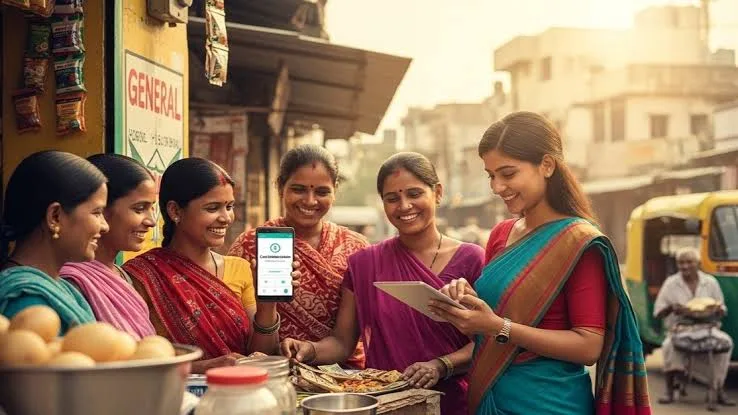
Self Help Groups are small groups of 10 to 20 members, mostly women, who regularly save money together.
The group members receive loans from banks through the SHG-Bank Linkage Programme supported by NABARD.
Benefits include:
- Easy access to loans
- Community support
- Higher savings
- Financial discipline
Microfinance Institutions (MFIs)
MFIs provide loans directly to customers without requiring traditional collateral.
Most loans are provided through Joint Liability Groups (JLGs), where members guarantee each other’s repayments.
MFIs also provide:
- Insurance
- Savings services
- Financial education
- Money transfer facilities
Types of Microfinance Institutions in India
The microfinance sector includes different types of organizations.
| Institution Type | Main Function |
|---|---|
| NGO-MFIs | Provide micro-credit through charitable organizations |
| Cooperative Societies | Offer financial services to members |
| Section 8 Companies | Provide non-profit financial support |
| NBFC-MFIs | Largest providers of microfinance loans |
| Regional Rural Banks | Provide banking services in rural areas |
| Self Help Groups | Community-based savings and lending groups |
Among these, NBFC-MFIs account for the largest share of the microfinance market.
RBI Regulation of the Microfinance Sector
The Reserve Bank of India regulates the microfinance sector to protect borrowers and maintain financial stability.
RBI regulations cover:
- Registration of MFIs
- Fair lending practices
- Transparent interest rates
- Customer protection
- Prevention of over-borrowing
- Data privacy
Recently, RBI defined microfinance loans as collateral-free loans provided to households with annual income up to Rs. 3 lakh.
Government Initiatives for the Microfinance Sector
The Government of India has introduced several schemes to strengthen the microfinance ecosystem.
Indian Micro Finance Equity Fund (IMEF)
Started to improve the financial strength of smaller MFIs by providing capital support.
NABARD Support
NABARD promotes financial inclusion through:
- SHG-Bank Linkage Programme
- Micro Credit Innovation Programmes
- Rural financial awareness
NABFINS
NABARD Financial Services Limited provides responsible lending with transparent operations and reasonable interest rates.
Micro Enterprise Development Programme (MEDP)
This programme provides skill training to SHG members so they can start income-generating businesses.
E-Shakti Initiative
The E-Shakti project digitizes Self Help Groups across India.
Its benefits include:
- Better record keeping
- Improved transparency
- Faster loan processing
- Easy monitoring
Pradhan Mantri MUDRA Yojana (PMMY)
Launched in 2015, this scheme provides loans to small businesses and entrepreneurs without requiring large collateral.
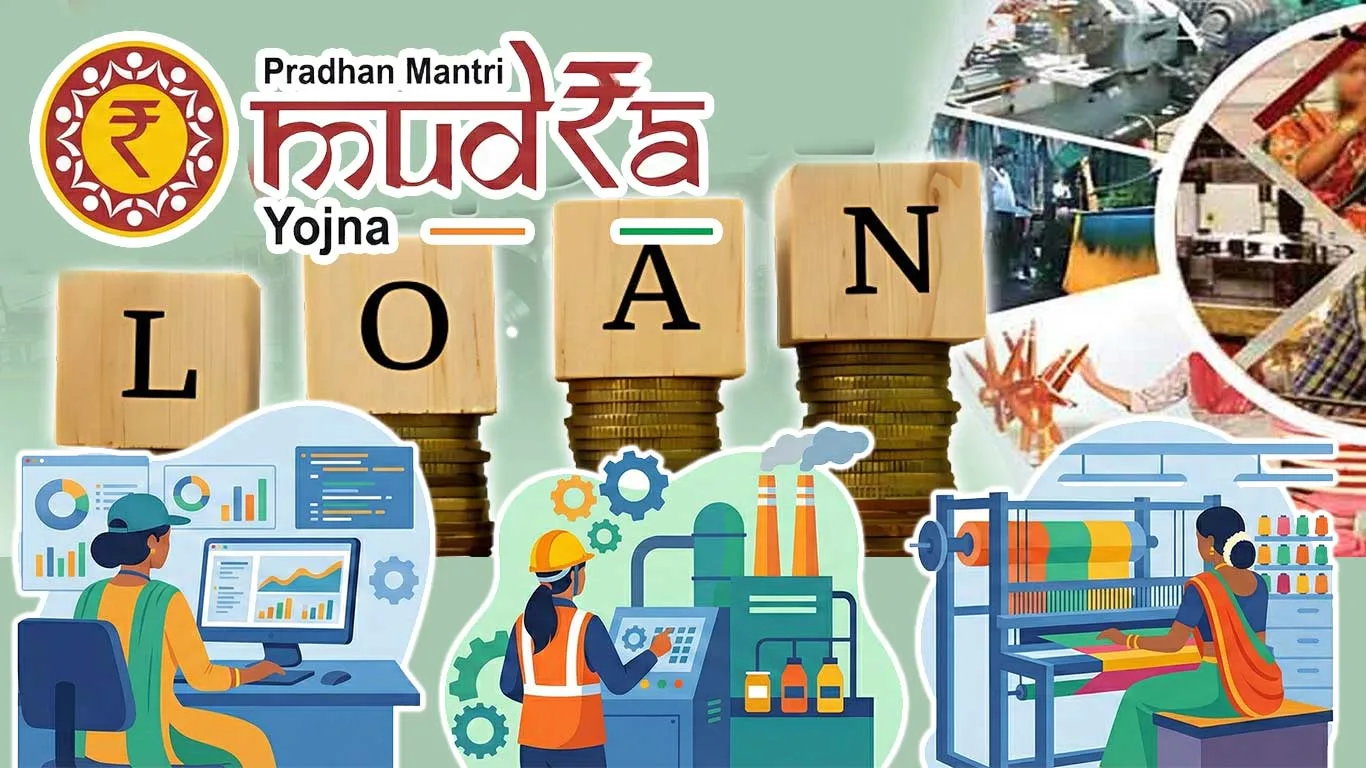
It has significantly improved credit access for small enterprises.
How the Microfinance Sector Supports Financial Inclusion
Financial inclusion means ensuring that every citizen has access to affordable banking and financial services.
The microfinance sector contributes by:
- Providing loans to poor households
- Helping people open savings accounts
- Supporting small businesses
- Offering insurance protection
- Encouraging digital financial services
- Improving financial awareness
Millions of families who were once outside the formal banking system are now connected through microfinance.
Role of Microfinance in Women’s Empowerment
Women are the biggest beneficiaries of microfinance in India.
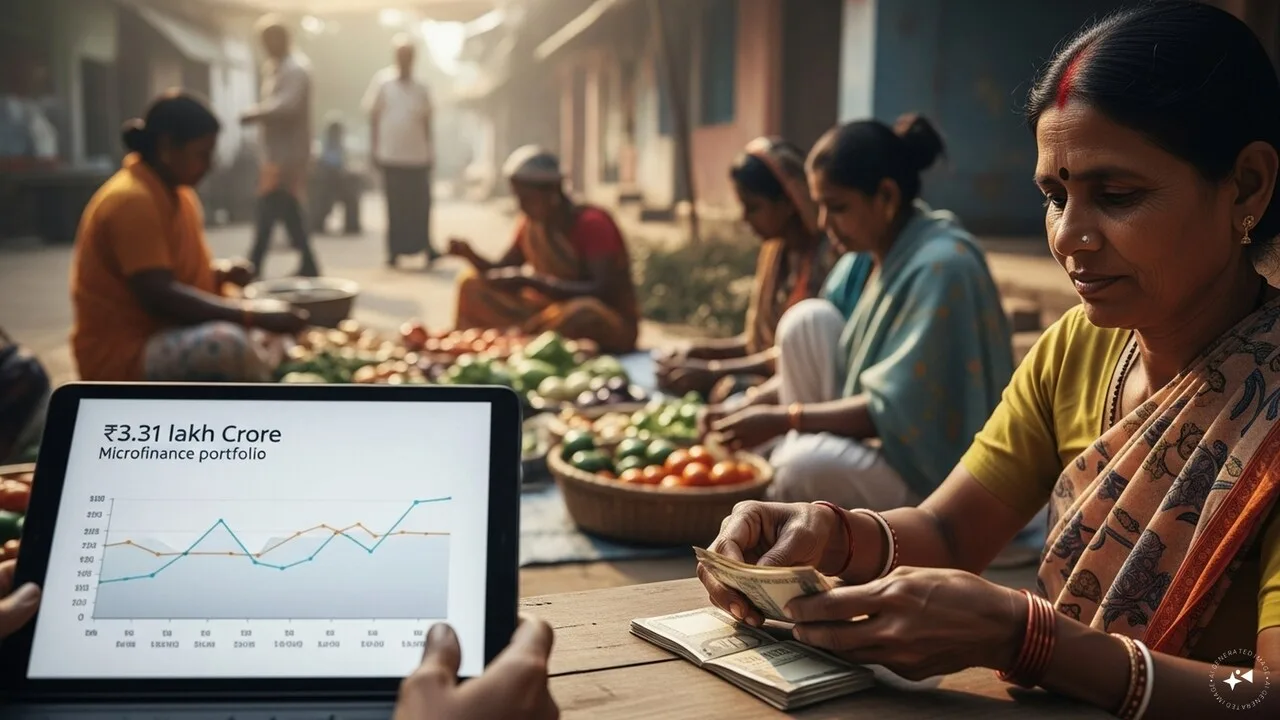
Microfinance helps women:
- Start small businesses
- Earn independent income
- Improve family living standards
- Increase savings
- Participate in financial decisions
- Gain confidence and leadership skills
Many studies show that women have high loan repayment rates, making them reliable borrowers.
Economic Benefits of the Microfinance Sector
The microfinance sector contributes significantly to India’s economy.
Some major economic benefits include:
- Creates employment opportunities
- Supports rural industries
- Encourages entrepreneurship
- Reduces dependence on moneylenders
- Promotes inclusive economic growth
- Increases household income
It also supports millions of micro and small enterprises across the country.
Challenges Facing the Microfinance Sector
Although the sector has achieved remarkable growth, several challenges remain.
| Challenge | Possible Solution |
|---|---|
| High operating costs in remote areas | Increase use of digital technology |
| Multiple borrowing by customers | Improve credit assessment |
| Limited financial literacy | Conduct awareness campaigns |
| Poor infrastructure | Expand digital banking services |
| Limited product range | Introduce insurance and savings products |
| Competition from commercial banks | Improve customer-focused services |
| Lack of reliable borrower data | Use advanced data analytics |
| Policy changes | Strengthen institutional capacity |
Future of the Microfinance Sector
The future of the microfinance sector in India looks promising.
Greater use of digital banking, mobile applications, artificial intelligence, Aadhaar-based verification, and financial technology (FinTech) can improve loan delivery and reduce operational costs.
Government support, better financial education, and responsible lending practices will further strengthen the sector.
As India moves toward greater financial inclusion, microfinance will continue to help millions of people improve their livelihoods and achieve economic independence.
FAQs
What is the Microfinance Sector?
The Microfinance Sector provides small loans and other financial services to low-income individuals and businesses that cannot easily access traditional banking services.
Who benefits from microfinance?
Small entrepreneurs, farmers, women, self-help groups, street vendors, artisans, and low-income households benefit from microfinance services.
What is the main objective of microfinance?
Its main objective is to promote financial inclusion, reduce poverty, encourage entrepreneurship, and improve the living standards of economically weaker sections.
What is the role of NABARD in microfinance?
NABARD promotes Self Help Groups, supports rural financial inclusion, provides training, and encourages innovation in microfinance.
How does microfinance empower women?
Microfinance gives women access to credit, helps them start businesses, earn income, improve financial independence, and participate in family decision-making.
What are the major challenges in the microfinance sector?
High operating costs, low financial literacy, multiple borrowing, poor infrastructure, limited financial products, and changing regulations are some of the major challenges.
What is the difference between banks and Microfinance Institutions?
Banks usually provide larger loans with stricter requirements, while Microfinance Institutions offer small collateral-free loans to low-income individuals who may not qualify for traditional banking services.